San Felice del Benaco History Book Highlights Local Heritage and Research
“Research essays for a historical reconstruction” is the subtitle of the very interesting volume “San Felice del Benaco and its territory,” presented the other evening in the amphitheater of the middle school in San Felice. A “complete works,” as Mayor Ambrogio Florioli described it during the presentation in front of a large audience, including Vittorio Pirlo, president of the Ateneo di Salò, who attentively and curiously sought to learn about situations, facts, and curiosities that have been an integral part of the history of this location in Valtenesi. The work, 480 pages long, was authored by Pierluigi Mazzoldi, who, not new to projects of this kind, dedicated 10 years of research and study of ancient texts and documents kept in municipal and parish archives. Complementing the work is a series of black and white and color photographs, many taken by the art photographer Emanuele Tonoli, which depict corners and characters of San Felice’s historical past, as well as Portese and Cisano.
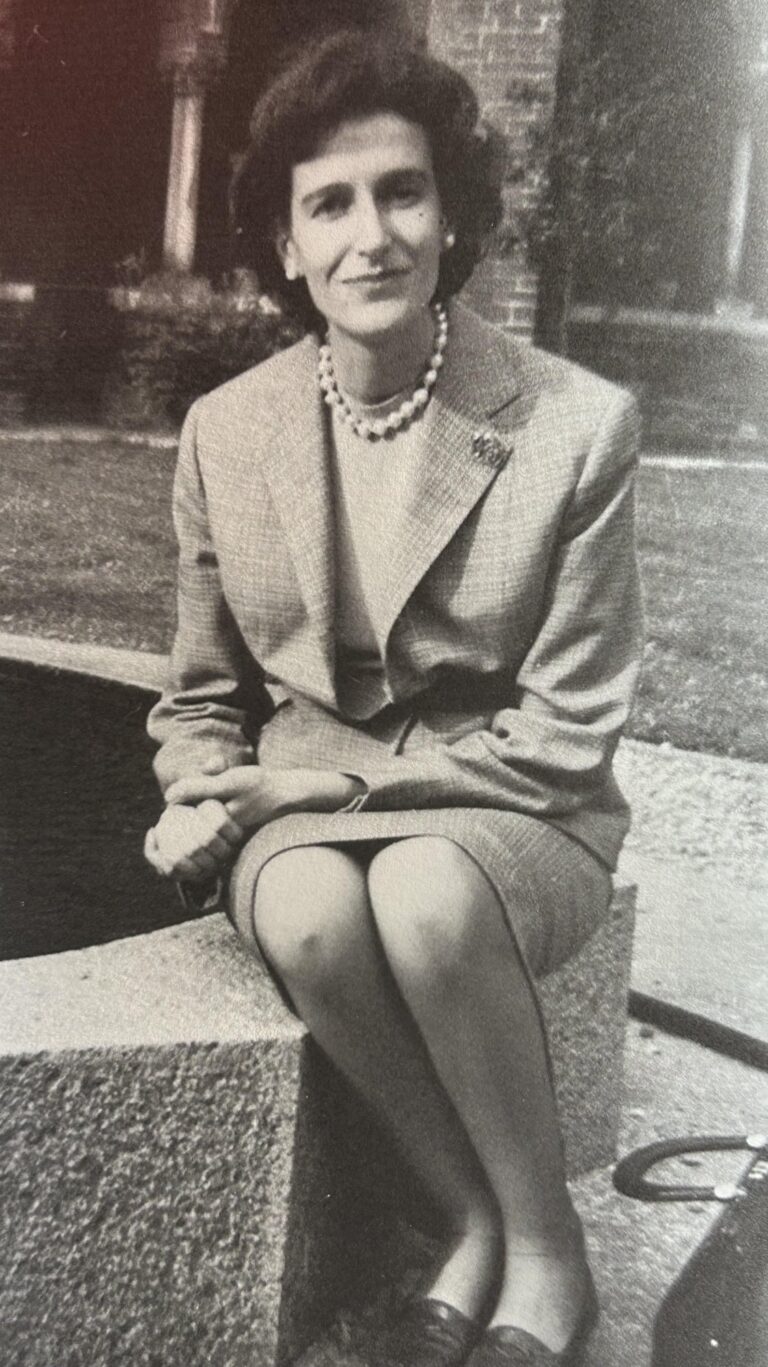
“The Municipal Administration’s goal, and it still is, is to use printed media as a tool to provide the citizens with elements to understand our Municipality in its current form and its layered history,” stated Mayor Florioli. “We believe that a correct knowledge based on scientific foundations—of the historical heritage and the environment—is an essential prerequisite, although not the only one, for active preservation efforts, aimed at shifting from private use to social use, and towards collective appreciation.” The Culture Councilor, Massimo Moretti, emphasized that “San Felice, but also Portese and Cisano, owe a debt to the historian and the man Mazzoldi: his book, which he defines as ‘Research Essays,’ will remain an indelible memory of the past of our communities and will be read by generations of ‘Feliciani’ and ‘Portesini.’ Who knows, thanks to this beautiful history, they will learn to love each other a little more and smile at old grudges.” Just from “A walk in Valtenesi” begins the recounting of San Felice’s history, which unfolds across 28 chapters. It is a comprehensive, 360-degree analysis that covers everything from the geology of the land to the economy, passing through the various historical-cultural realities such as the castle, the Isola del Garda, the small churches, and places of worship. Notable figures, more or less illustrious (Angelo Zanelli, who has the Altare della Patria in Rome; Barbarina Rubelli, after whom the elementary school is named; Padre Francesco Santabona), various churches and chapels, including the band body “Sinus Felix,” which has been present for over 150 years, are also featured. The history is written in chapters that can also be read out of order, grouped by themes and specific subjects. Vittorio Pirlo, a deep connoisseur of Gardesana history, affirms that “this systematic work is never dry, but, on the contrary, continually enlivened by human participation.” The volume has been available since yesterday at the offices of the Comune di San Felice.