GardaNotes: news and stories from Lake Garda
Latest news
-

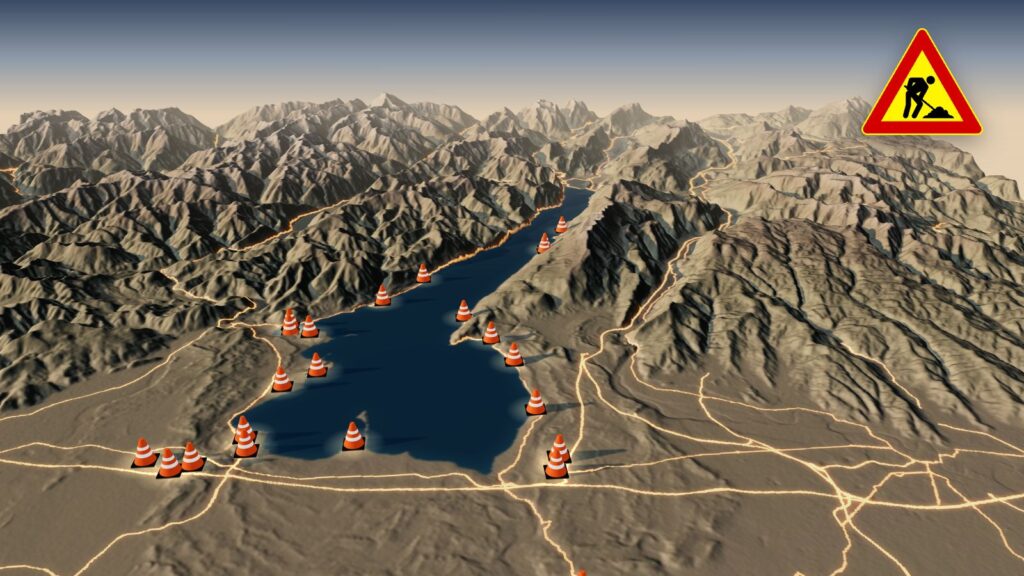
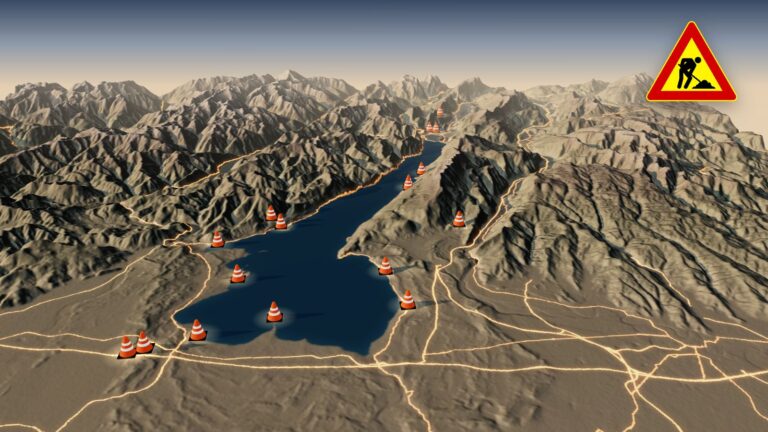
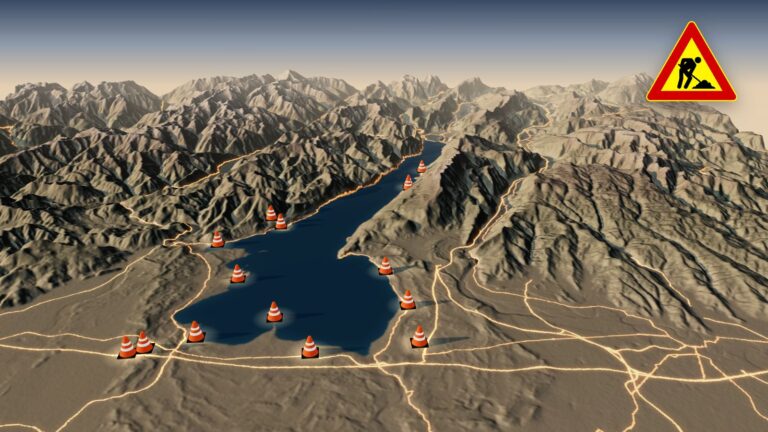
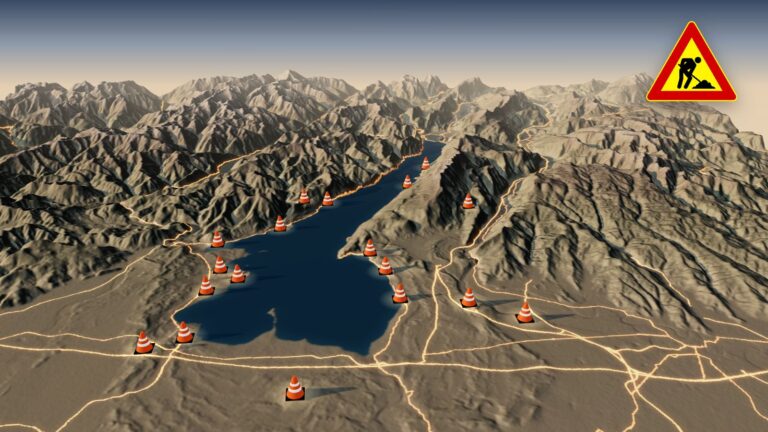
Lake Garda Road Closures Saturday 24 October: Sanico Festival and Christmas Lights
-

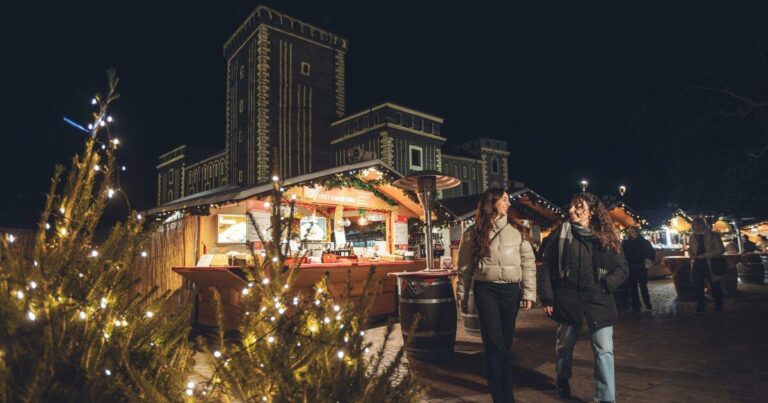
Lake Garda Christmas Markets 2026: Dates from Arco and Riva to Bardolino and Malcesine
-
Lake Garda traffic on Friday 23 October: one-way sections and road closures
-

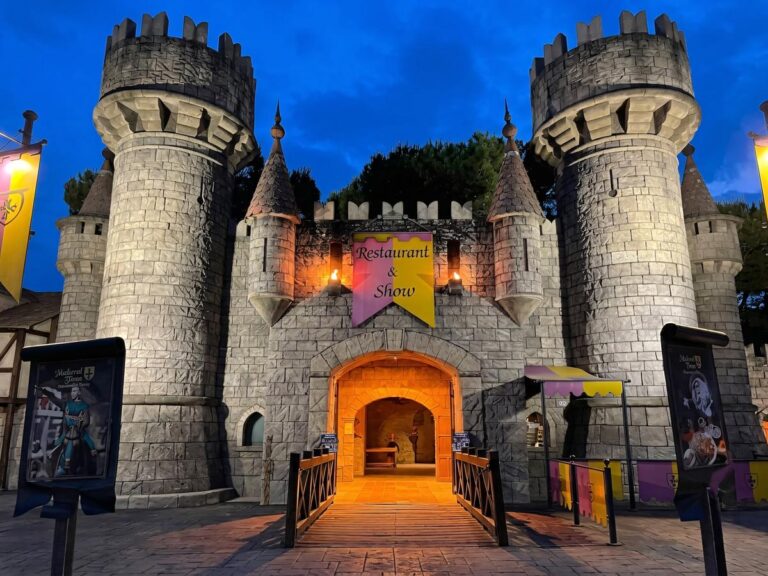
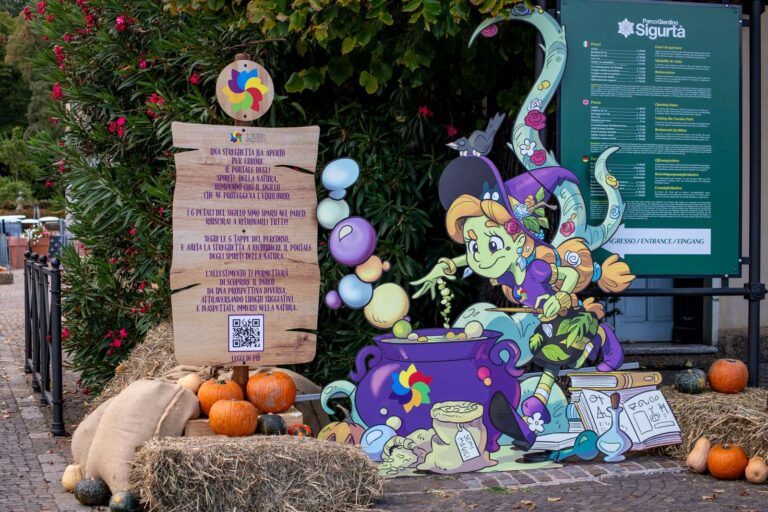
Medieval Times Lazise: second Halloween show on 31 October
-
Lake Garda Road Closures and Roadworks on Thursday 22 October
-

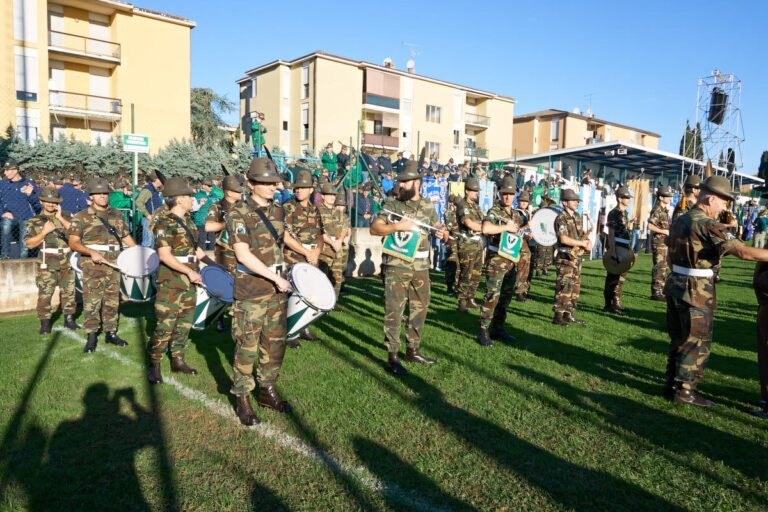
Alpini Bands Gathering in Sirmione, 24–25 October
-
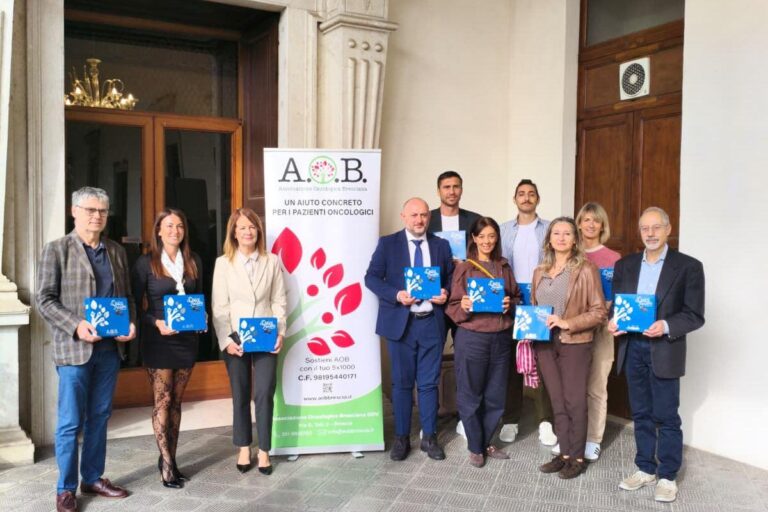
Dolci Pensieri 2026: charity chocolates for cancer research in Brescia
-
Lake Garda Road Closures and Roadworks on Monday, October 19
-
Lake Garda Events October 19-22: Chestnut Festival, Lugana Festival and New Cycle Path
Quick updates
-
Sirmione: Pietra&Co.2026 Art Exhibition Open Until October 2026
-
Lake Garda Ferries: Winter Timetable Starts October 5
-
Lonato del Garda: St Francis of Assisi Recital at the Basilica on October 4
-
Arco: Historic Sarca Bridge Utilities Work Begins October 5
-
Tremosine: Strada della Forra to Close for Two Months After Epiphany 2027
-
Tremosine Revives Its History With Don Scalmana’s New Publications
Tremosine revives local history as Don Scalmana presents new books at Museo MUST, updating Le Chiese Tremosinesi and Tremosine.
-
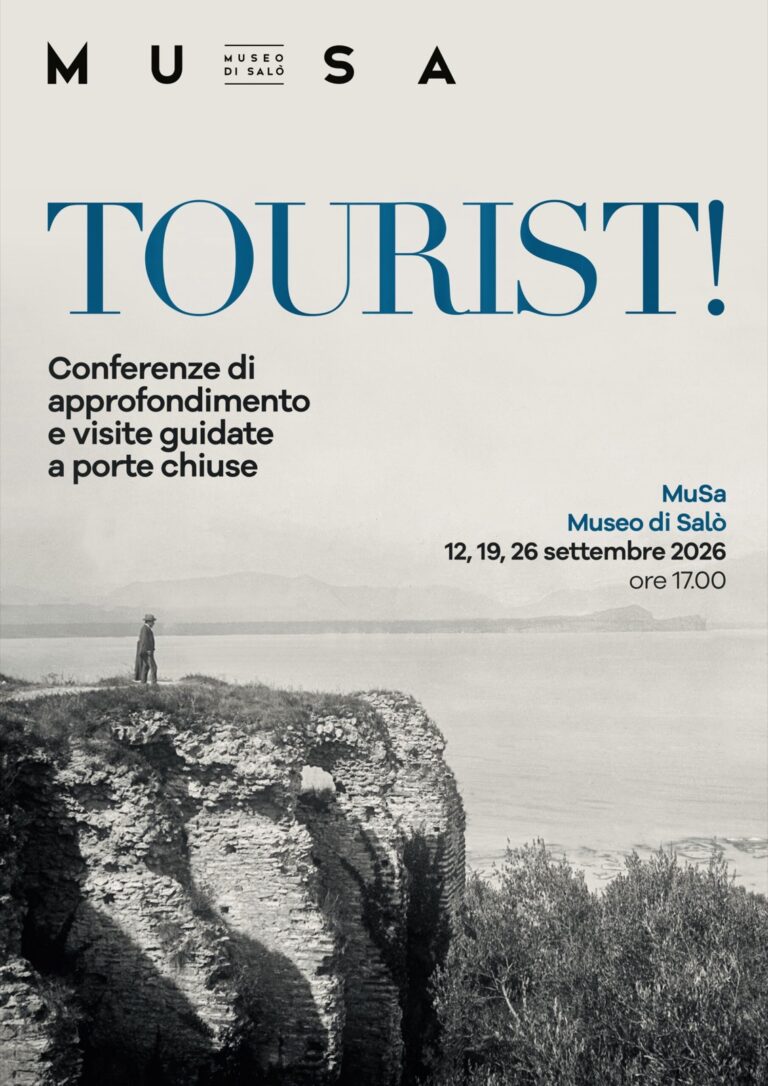
Positivity Cabin in Salò Offers 30 Seconds of Regeneration
Offers 30 seconds of regeneration as Positivity Cabin opens in Salò at Piazza Serenissima, with MUSA collaboration and a Sept 26 debut.
-
Lombardy Regional Council Approves Obesity Law
Lombardy approves obesity law creating an obesity network, with €1M for severe cases and integrated prevention, diagnosis and treatment.
-
Sofia Cecinini Presents All the Wars of the World in Sirmione on October 9
Sofia Cecinini presents Tutte le guerre at Sirmione on 9 October, continuing a popular book series promoted by the tourism portal.
-
Sirmione English Book Club to Meet in November
Sirmione English book club meets Thursday 12 November at Biblioteca Comunale to discuss The Machine Stops by E. M. Forster.
-
Traviata Goes Metaverse: Virtual Event Set for Sirmione on November 13
Traviata goes metaverso: evento VR a Sirmione il 13 novembre 2026, 21-23, alla biblioteca comunale con Fabio Larovere e scene interattive.
-
Big Volleyball Event Hits Sirmione on September 22
Hits Sirmione: volleyball evening on Sept. 22 draws crowds as a hard-fought match sparks local excitement and fierce competition.
Make the most of the Garda
Concerts, exhibitions and things to do around the lake.
History & Culture
The history, art and people of Lake Garda.
Nature & Landscape
The lake and its changing environment.