Garda Municipality Gains Historic Villa and Assets from Liliana Pincini Legacy
Now, the inheritance has been transferred to the Municipality. Only the formal act of acceptance by the city council remains, but which councilor could ever refuse a multimillion-dollar legacy? After completing the inventory of the assets, Garda’s municipal administration received the keys to the sixteenth-century Pincini-Pompei-Carlotti palace, the villa Liliana Pincini, who passed away at the end of last year at the age of seventy-six, intended to leave to the Municipality.
And we had the opportunity to conduct an inspection of the building alongside the entire municipal council. Passing the small garden, we entered the mini-apartment on the ground floor: there’s nothing remarkable, but the rooms are livable.
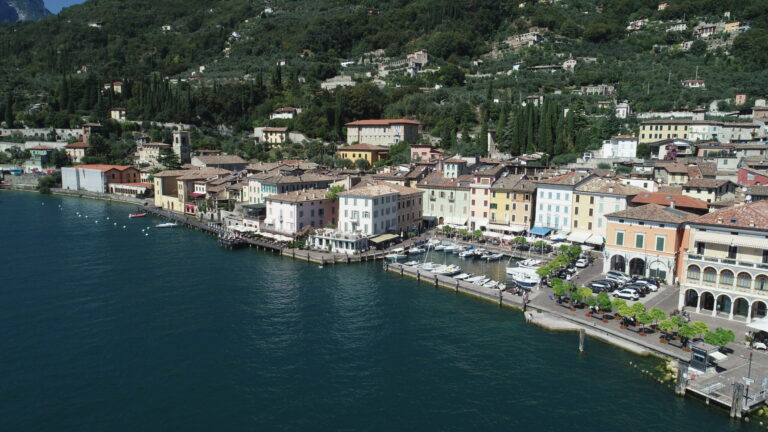
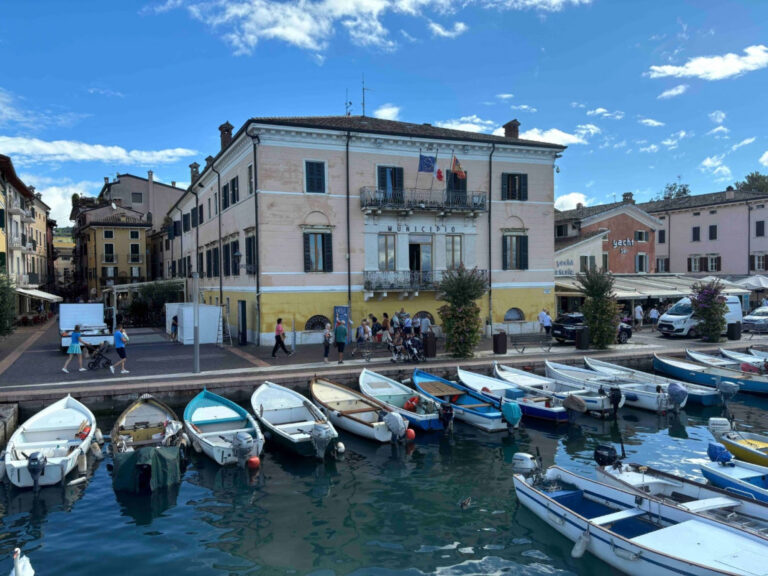
We step outside again. The facade is soberly elegant. Here and there, a few stone coats of arms. We ascend the elegant marble staircase and enter the aristocratic part of the building, a beautiful five-room apartment on the raised ground floor. Upstairs, there are two more units. We don’t see any valuable furniture or paintings, and the stacked books aren’t impressive, but the structure itself is worth a fortune: the palace is right in the historic center, just a stone’s throw from the town hall and the lakeside promenade.
Additionally, it’s important to note that the Pincini inheritance also includes three shops, as well as money and securities for an undisclosed value. “The inventory of the assets has been filed. Now we must pass the resolution in the Council, where the exact amount of the inheritance will be made public,” says councilor Beniamino Zermini.
The possibility of a billion-dollar legacy to the Municipality of Garda had been discussed for years. “Indeed,” as Mayor Giorgio Comencini told us during the visit to the building, “Mrs. Liliana’s decision dates back over twenty years, specifically to the time of the Pimazzoni administration.”
Along with Comencini and Zermini, as previously mentioned, the other members of the council—Vice Mayor Fabio Gaggia and assessors Pierlorenzo Vantini and Franco Lavarini—participated in the initial inspection of the villa.
Palazzo Pincini-Pompei-Carlotti is located between via Manzoni and via Verdi, right behind the beautiful Losa building, which once served as the lakeside dockyard. It was built in the 1500s along the eastern perimeter of the ancient town walls, adjacent to the crenellated tower of the eastern gate.
The villa was constructed by the Carlotti noble family, who owned property in Garda from 1168 until 1920. Their first residence was the Palazzo dei Capitani, overlooking the harbor square.
The palace outside the eastern gate was built when the family needed more space. When did this happen? “Certainly before the end of the 1500s, at least for the oldest part,” writes Massimo Ragnolini.
Around the mid-1700s, upon the death of Andrea Carlotti, the villa transferred to the Pompei family. The main mansion was later purchased by the Bozza family at the beginning of the 1800s, after the Pompei sold their properties in Garda. From the Bozza family, it then passed to the Merlo family, and from them to the Pincini, until finally arriving at the Municipality.