Palù dei Mori Chapel Restoration Gains Momentum Amid Preservation Efforts
The Palù dei Mori chapel, dedicated to Saint Anthony, is saved. All thanks to volunteers and the determined will of the friends of the Associazione Francesco Fontana.
They brought to public attention the severe state of decay of the building dedicated to worship, adjacent to the large courtyard, which was once the residence of the Spolverini family, better known as the Fileno.
After months of cleaning and restoring work on the structure dedicated to the Saint Francis friar from Padua, the little chapel has now been stabilized.
The roof, completely fallen in, the perimeter walls in a dilapidated condition, the altar and sacristy in the process of disintegration, and the baroque stuccoes, now peeling from the walls, can today be declared “safe,” meaning they are no longer in danger of collapse or destruction.
Safety and Restoration Interventions
“We installed a completely provisional covering with corrugated sheets,” says Giulia Rama from Associazione Francesco Fontana. “This covers the entire church as a replacement for the roof, which was entirely destroyed due to neglect over time and disputes among co-owners.
Of course, this is only a “patch” operation—a palliative measure to prevent the elements and rain from further damaging the load-bearing structures of the church, which could lead to a catastrophic collapse or at least reduce what little value remains inside to a pitiful state.”
“I am particularly referring,” Rama continues, “to the altar, the oval stuccoes, and what remains of the baroque decor inside the small temple.”
Prospects for Recovery and Collaboration
All this movement around Palù dei Mori, its courtyard, stories, and legends, has also triggered a reaction among the various co-owners of the entire complex, who were previously very reluctant to take any action for the restoration of the real estate patrimony.
Now, however, they are willing to “reach an agreement” to find an honorable solution for all, especially for the definitive restoration of the site’s significant artistic and real estate heritage.
“Our report,” emphasizes Rama, “has stirred the waters, and an architect who loves art and the recovery of the local artistic heritage has come forward with some proposals.
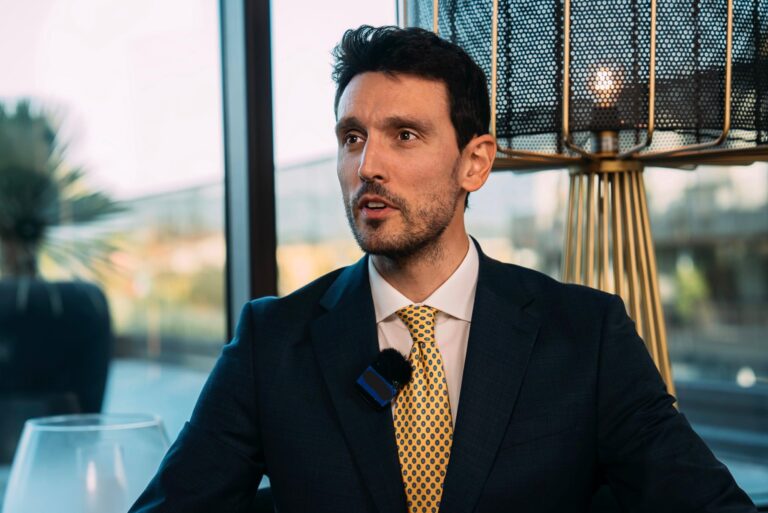
This is Armando Tortella, who intends to present a comprehensive project for restoring and returning the area to its former glory.”
“We are very pleased about this,” highlights the professor, “and it will also give us the opportunity, in the future, to submit a serious proposal to the Regione Veneto for potential funding to complete the works, which are now urgent in that area.”
The Challenges of Cultural Restoration
“Of course, it’s not easy,” Rama explains, with a mix of disappointment and frustration, “to plant in people’s hearts the seed of love for their land, their art, and their artistic heritage.”
It’s necessary to raise awareness and understanding of the issue, in order to safeguard the local and popular testimonies.”