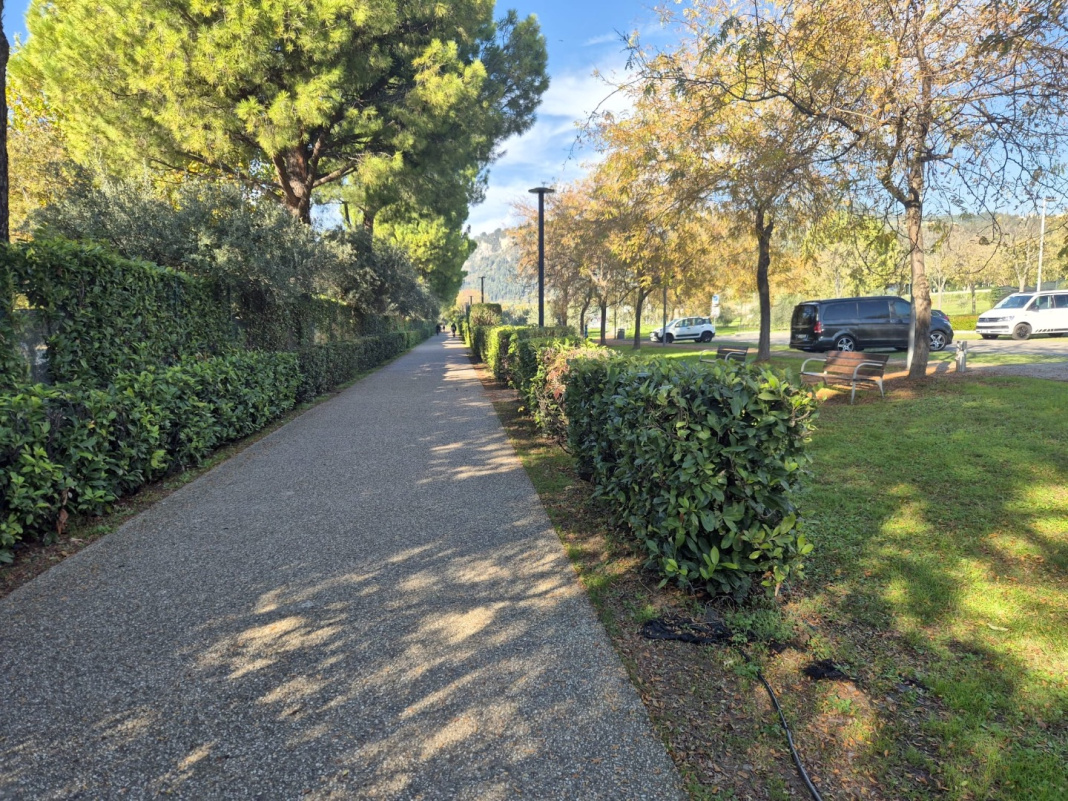
The Garda Cycle Path project has secured an additional two million euros in funding to finance structural enlargements and rockfall mitigation across the historic decommissioned road tunnels between Limone sul Garda and Riva del Garda.
The investment focuses specifically on the historic Titani and Limniadi tunnel sections, originally carved into sheer dolomite cliffs along the western lakeside corridor (SS45bis). Following rigorous geological surveys that revealed instability within the legacy limestone galleries, regional infrastructure authorities approved technical variants to widen the tunnel profiles, install subterranean rock-bolting, and construct reinforced steel ribs to guarantee maximum safety for cyclists and pedestrians.
Engineering Solutions for Extreme Cliff Geology
Constructing a continuous cycling route along the upper western basin presents extraordinary structural challenges. The sheer limestone walls of the Alto Garda cliffs plunge directly into deep water, requiring engineers to alternate between cantilevered steel boardwalks suspended over the lake and restored historic road tunnels.
The newly approved two-million-euro allocation will deploy specialized alpine geologists and deep-anchoring machinery. Inside the Titani and Limniadi galleries, crews are executing controlled precision excavation to expand clearance heights and install protective inner vault liners designed to shield the track from potential seismic shifts or water seepage from mountain aquifers.
A Vital Link for European Cycle Tourism
The connection linking the already completed Limone cantilevered cycleway with the Trentino trail network at Riva del Garda represents the most eagerly awaited segment of the prospective Garda by Bike ring. Once linked, the corridor will establish seamless intermodal connectivity between the Brenner cycle paths, the Adige Valley, and the coastal towns of Lake Garda, serving a rapidly expanding demographic of international gravel and e-bike enthusiasts.