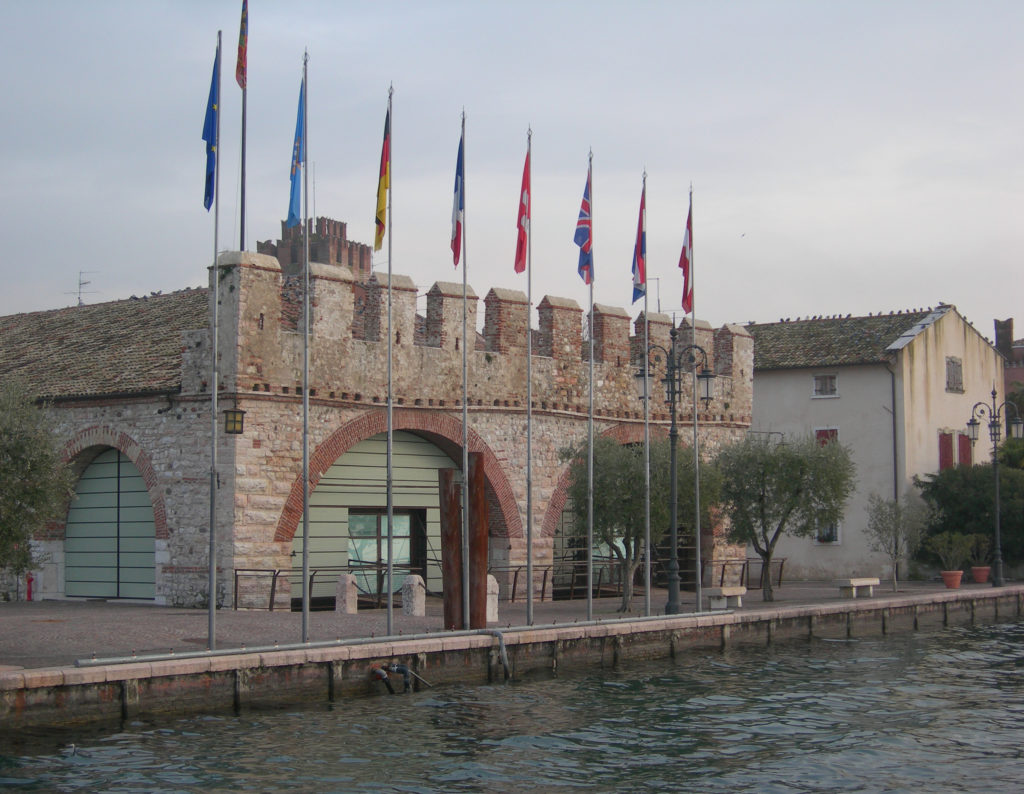
The annual Sustainable Tourism Forum in Lazise convenes on Friday, September 25, 2026, inside the historic fourteenth-century Dogana Veneta, bringing together European environmental planners, regional administrators, and tourism leaders to debate regenerative travel practices on Lake Garda.
Positioned right along Lazise’s lakeside promenade and ancient harbor, the summit addresses the delicate balance between high seasonal visitor volumes and environmental conservation. As Northern European travelers increasingly prioritize carbon-neutral hospitality and eco-certified stays, the forum serves as Lake Garda’s primary regional laboratory for innovative mobility, water stewardship, and localized agricultural integration.
Regenerative Tourism and Regional Carrying Capacity
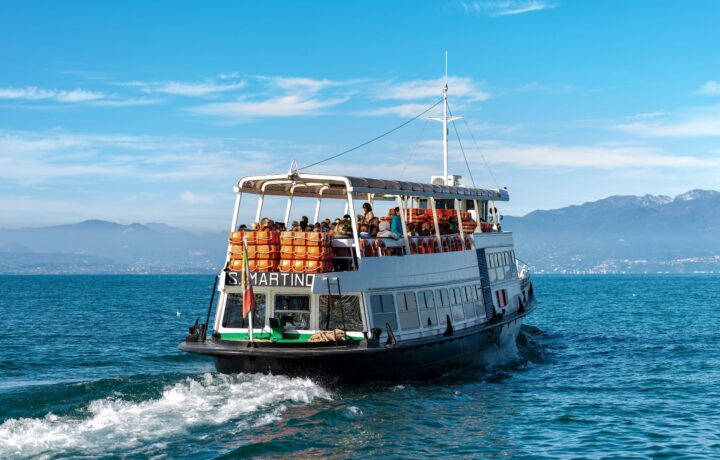
Discussions throughout the Friday sessions will focus on moving beyond traditional sustainability toward “regenerative tourism”—travel models that actively restore local ecosystems and support resident communities rather than merely mitigating environmental footprint. Key agenda items include managing lake basin carrying capacities, expanding electric charging infrastructure for vehicular and marine navigation, and preserving the rural integrity of the morainic hills against intensive development.
Delegates will also review cross-regional coordination initiatives between the provinces of Verona, Brescia, and Trento, particularly regarding coordinated public transit ticketing, cycle tourism corridors, and the protection of Garda’s coastal habitats.
The Historic Venue: Dogana Veneta
The setting for the forum, the Dogana Veneta, reflects centuries of maritime governance. Originally constructed under the Scaliger lords of Verona and later expanded by the Republic of Venice, the vaulted stone building served as an arsenal and customs house where commercial galleys entered directly through arched watergates to pay tariffs on goods circulating between the lake and the Venetian hinterland.