Olive Fly Devastates Production at Torri Conference
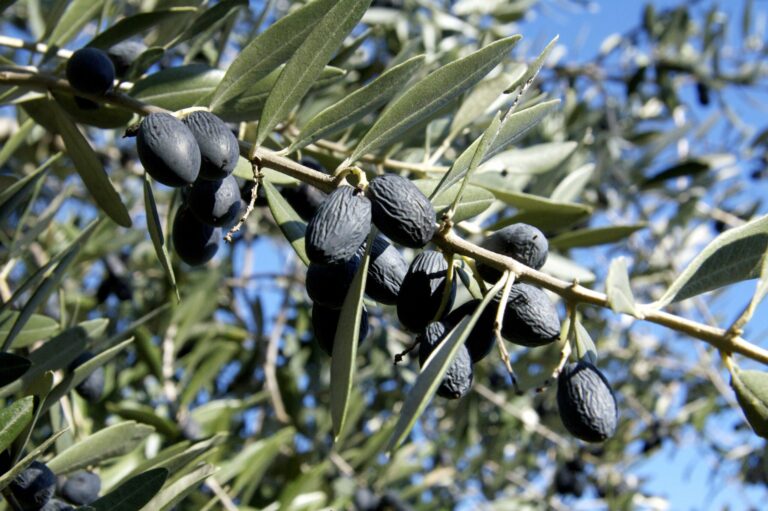
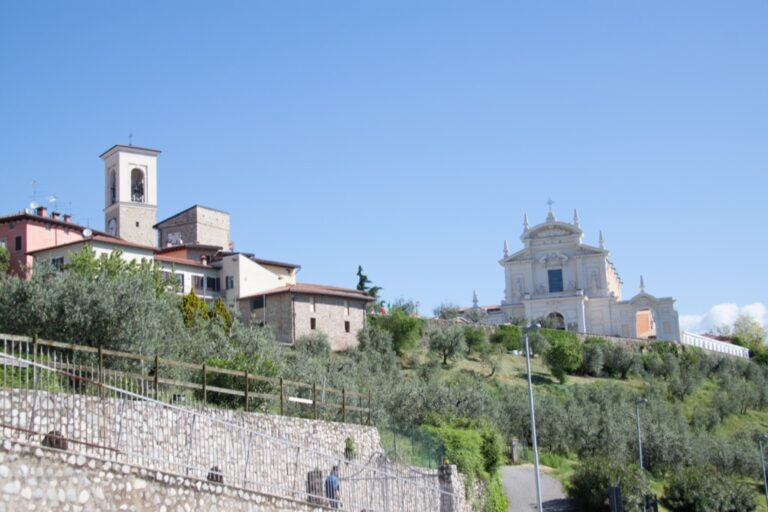
“The olive fly has been a real scourge for this year’s production.” The warning was issued at the conference with a related exhibition at the Castello, organized by the Comune di Torri on the occasion of the fifth edition of the “Festa dell’oliva,” one of the most important moments in the sector within the entire provincial landscape. Indeed, the speakers who alternated during the presentations of the discussed topics were also of high caliber. In addition to Giorgio Bargioni, former director of the Istituto di sperimentazione di Frutticoltura di Verona, present were Sergio Spada, president of the Associazione di piccoli produttori di olio, and the regional phytosanitary department official Sancassani.
Olive oil production situation
And it was precisely from the latter that came the bleak news about the current state of olive oil production this year. “Sancassani explained, “the fundamental problem for all producers has truly been the olive fly. The ‘Dacus oleae,’ as it is officially classified, has this year literally devastated olive production, especially in the territory from Torri del Benaco to Malcesine along the Veronese shore, and has extended nearly as far as Riva del Garda. Olive oil production in the lower lake area, although higher than in previous years, has also been affected, but has not reached the extraordinary levels seen further north.”
The regional manager then explained how “the danger threshold for starting production is already five to six insects found on each trap placed in the olive groves.” This year, according to the data presented, in Bardolino the values were between forty-five and fifty insects per trap during the summer months, nearly ten times above the warning threshold. The data become even more alarming in Castelletto, Brenzone, and Malcesine, with one hundred sixty, two hundred, and one hundred thirty insects per trap, respectively. “Sancassani joked, but not too much, ‘You could say that this year there were more flies than olives.'” This certainly compromised both the quality and quantity of the harvest, and according to the official, the causes should be attributed to the humid and not excessively hot climate of the last summer season.
Indeed, the July rains and the heat, which did not reach temperatures much above twenty-five degrees Celsius for long, favored this massive insect proliferation. Unfortunately, the remedies are only chemical in nature. “Those who used pesticides,” he continued, “suffered less damage, as 86 percent of the land was affected by the fly.” However, the experts acknowledge that the problem is not easily solved, and for years, even in the Alto Garda area, conferences and actions have been organized to seek solutions.
“Unfortunately, the chemical weapons available are quite outdated,” concluded the official, “since research into insecticides for olive trees is not considered a profitable avenue for producing companies.” Consequently, unlike vine growing or other plant types, these tools are only partially effective and come with disadvantages such as bad odors or partial toxicity of the products, to be used in areas with high densities of tourist accommodation structures, such as campsites and hotels in the Alto Lago area.
During the same conference, space was also dedicated to discussing the “Main aspects of modern olive cultivation” and “D.O.P. olive oil, denomination of protected origin: start, certification, and future development.”