Garda Lake Municipalities Battle Noise Pollution Laws and Tourism
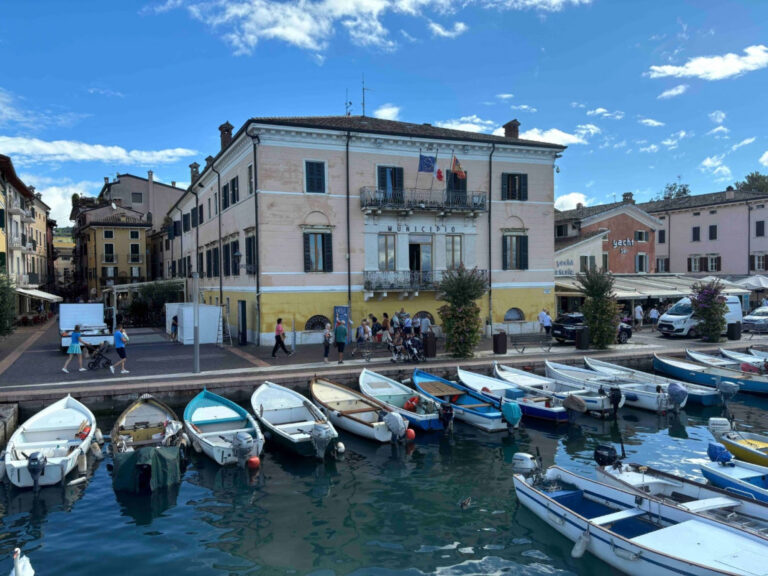
A quick survey of the municipalities around Garda Lake reveals that Riva and Torbole, the only towns on the lake in Trentino, are actually the most prepared to face the new form of contemporary pollution: noise pollution. Every year, hoteliers and pub and brewery managers clash over “night” tourism. The former seek silence to ensure their guests’ rest. The latter have made music a working tool, which becomes difficult to give up even late into the evening. Noise, music, and disturbance—three words that are not synonyms, at least not for everyone, and precisely for this reason, they require a law to clarify their meaning. There have been several battles between the public and private sectors over this since 1999. In Torbole, protests occur annually. In Malcesine, local youths took to the streets last year to demonstrate against an ordinance regulating the use of sound systems inside and outside public venues. In Bardolino, for the same reasons, some business owners won their appeal at the Regional Administrative Court (Tar) against the municipal administration. Riva, despite some difficult coexistence in the historic city center, can still consider itself fortunate. Nonetheless, the issue recurs regularly. Few people truly understand (or know) the law 447/95, which sets the rules on noise pollution. The most disciplined are certainly the residents of Riva. “The regulation,” explains Zanelli from the municipal police, “is complex and can be misinterpreted. The first step is to conduct sound level checks in different locations and at different times. It’s not correct, in fact, to talk about decibels and noise pollution without considering background noise. In reality, it’s difficult to adapt current regulations to tourism needs,” Zanelli continues. “Our economy relies on tourism, and for this reason, we pay close attention to this issue.” Once the parameters are confirmed, each municipality enacts its own regulations and sets the maximum number of decibels. It then becomes the duty of the operators to submit an expert report certifying the standard sound emissions. In some lakeside towns, managers have been encouraged to equip themselves with expensive devices (costing a couple of million lire) capable of self-limiting emissions. A common problem, but with always different solutions. In Trentino, for example, there is no distinction made between indoor venues and outdoor terraces: music, barring exceptions, must be turned off by 2 a.m. In Torri and Malcesine, outdoor terraces must be cleared half an hour or an hour before closing time. Elsewhere, the regulations are still entirely to be devised: Peschiera, Lazise, and Bardolino still lack specific ordinances on the matter.