Toscolano Maderno Land Use Plan Sparks Debate on Campsites and Development
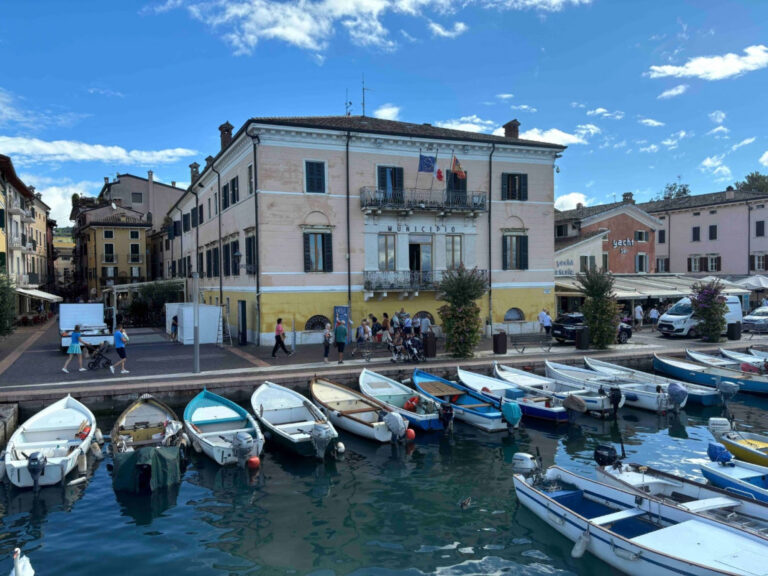
The issue, amid a phase marked by intense debate over land use, remains highly relevant today. We are talking about Toscolano Maderno, and the recent city council meeting during which the centre-right majority decided to…fill in the mouth of the river, that is, the area of the campsites, which in the General Urban Plan was designated as a “white zone,” lacking a specific urban destination. In May 1993, the Lombardy Regional Council suggested studying a detailed solution for the area in question. Billions upon billions of square meters requiring a clear plan of action. Now, after seven years, the final decision has been made, following the review of observations submitted by citizens. “Here are the main campsites present within the municipal territory,” explains architect Mario Abba in the accompanying report. “In the eastern part of the creek, along via Religione, next to the new sports field, are 16,620 square meters occupied by productive structures, the Cantieri del Garda, which have long been decommissioned. The urban area is served by all the necessary infrastructures: electricity, water, gas, sewerage, and telephone network.” So, what will happen next? The proposal includes, in the lakefront strip, the creation of a cycling and pedestrian path connecting the entire coast, from Maderno to Toscolano. An expansion and enhancement of the existing small port, located east of the creek, has also been planned. This public facility, along with other services, aims to foster a richer and more qualified tourist offer. And what about the current campsites? “They will remain in their current locations,” says Mayor Paolo Elena. “New tourism and accommodation facilities will replace the decommissioned productive buildings. This choice is linked to the fact that the old Cantieri, now dilapidated, are no longer compatible with the current urban fabric. The high costs of dismantling can be offset by reconversions compatible with the territory and also profitable.” However, part of the mouth is designated as zone D8. With a volume of 24,930 cubic meters, representing 78 percent of the existing volume (31,960 mc). Hotels and holiday homes, in other words. The hotels, managed collectively, must have at least seven rooms, with or without autonomous kitchen services. This category also includes hotel tourist residences, which provide accommodation in apartments made up of one or more rooms, with a stay period longer than seven days. Holiday homes? They can be rented for periods shorter than three consecutive months. Land utilization index is 0.50; maximum building height is nine and a half meters. The decision faced numerous criticisms from the opposition. Former mayor Silvano Boni, who leads the centre-left, appreciated “the innovative and correct way in which the indivisibility of the campsite plots was established.” A ban has been introduced on selling, leasing for multiple years, or any other form of transfer that undermines the collective operation character of these complexes. The following standards will be maintained: one inhabitant per square meter on the land plot; pitches of at least 50 square meters for tents, caravans, and campers; and individual bungalow-type structures (movable or fixed, ranging from 10 to 40 square meters, with a maximum height of six meters) will not exceed 25 percent of the total authorized spaces. Boni criticized “the excessive allowable development at the mouth of the river, which encompasses a 54,000-square-meter area along the lake and obtains development indices typical of completion zones, with buildings up to nine and a half meters high. There are two lots, one of 39,370 square meters and the other of 16,620 square meters, resulting in a shocking outcome. On the first sector, it would be possible to develop volumes of villas or terraced houses seamlessly. The only limits are set by the land development indices and boundary distances. This proposal also nullifies regional regulations on campsites, which should instead be strictly enforced.” Environmentalist Cristina Milani recalled that the area affected by these measures is at high risk (upstream flows the creek, carrying water from the Valvestino dam to the lake), and stated that the height of nine and a half meters is excessive. There was also criticism regarding the documentation attached. Sergio Bertasio, a former Lega Nord member now affiliated with Ape, abandoned the council chamber, criticizing a comment made by architect Abba (who was not present at the council session).