Riva del Garda’s Historic Port: Traditions of Commerce and Hospitality
“Riva is a mercantile land where ships sail every day when the wind is favorable…” Commercial exchange has always been the soul of Riva del Garda, surrounding the ancient merchant port, facing the town square, a hub of activities and initiatives in some way connected to the exchange of goods between Tyrol and the lands of the Po Valley, before the opening of the battered Gardesana.
The port facilities and activities
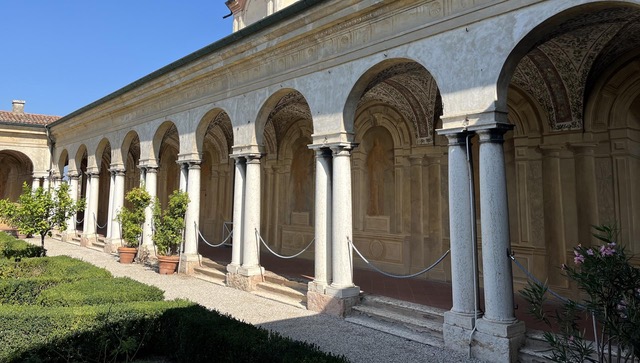
The old porticos, of Venetian origin, are the visual hallmark of the city’s way of life, which developed immediately adjacent to its port — its “vital reason” — a character that has been preserved even at the end of the Millennium despite some obvious “wear.”
Exchange naturally involves not only the sale and purchase of raw materials but also contact and experience, in a word hospitality. Around Riva’s port, taverns flourished anew, serving a dual purpose: as inns for drinking wine and as lodgings with ‘furnished’ rooms to rent to merchants and travelers for overnight stays.
The old taverns were numerous, all facing the port and the adjoining squares. First of all, for those just disembarking from the steamboat, there was the “Al Vapore” tavern, right next to the “Baviera”.
A little further along, toward the Ponale road, was “Monte Oro”, an inn with rentable rooms and a large trattoria, which was later demolished to make way for the hydroelectric power plant. In Piazza San Rocco, the tavern “Alla lepre” was prominent, while directly in front of the Nepomuceno statue stood the Andreis pastry-café, beneath the Centrale.
The inns and warehouses
In Piazza Benacense, there were the Bardolino inn and the Bresciani trattoria, which would later take the name from the square. After the merger of these two establishments, it remains the only one of the old taverns still afloat, naturally transformed into a modern restaurant.
The trattoria was located next to the storage yards or warehouses of goods that dotted the square, serving as storage for timber, salt, textiles, or other passing commodities. The large, coiled structures still seem to echo the unloading commands for the cargo brought in by bragozzi (traditional Venetian boats).
Indeed, among Riva’s oldest taverns, the current restaurant shows characteristics of continuity in the tradition of hospitality, from the Venetian-style paved floor to the welcoming atmosphere.
The Bresciani family tradition
Overlooking Piazza Benacense, later renamed after “Vittoria” as Tre Novembre, the Benacense continues a tradition spanning seven generations: in 1863,Vitalian Jew (we were in contact with the ghetto) sold the building to Giovanni Bresciani, which then passed to his son of the same name and, through the Risatti interregnum, to the Bresciani brothers, Ettore and Giuseppe, active from 1901.
“A family tradition rooted in the port activity,” says Lauro Bresciani, “that has persisted despite the times.” In fact, from the brothers to nephew Lauro and great-grandchildren Marco and Vasco, the current owners, the step is short — marked by significant modernization that still retains the roots of this mercantile land.