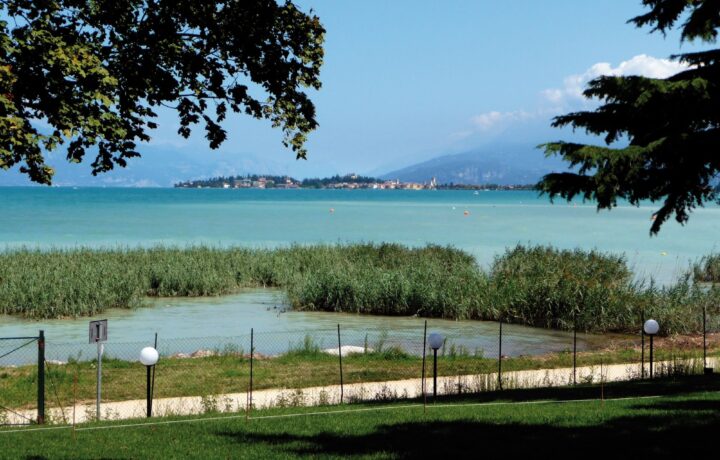
Monte Luppia MTB Trails offer some of the most panoramic limestone ridgeline rides above Lake Garda, yet recent technical terrain incidents underscore the vital importance of trail preparation and emergency readiness for visiting European cyclists.
On the afternoon of Saturday 26 September 2026, an alpine cyclist from Campo di Trens (Bolzano) suffered a severe fall while descending an unpaved forest track on Monte Luppia accompanied by his wife. The Verona Alpine Rescue station (CNSAS—Corpo Nazionale Soccorso Alpino e Speleologico) mobilized alongside the regional emergency medical helicopter from Verona Emergenza. Rescue technicians stabilized the 52-year-old rider at the scene before winching him aboard the helicopter for urgent hospital transfer to the Borgo Trento trauma center in Verona. The emergency highlights the distinctive physical challenges posed by this rugged headland overlooking the eastern shore.
Karst Bedrock and Singletrack Classifications Above Garda and Torri
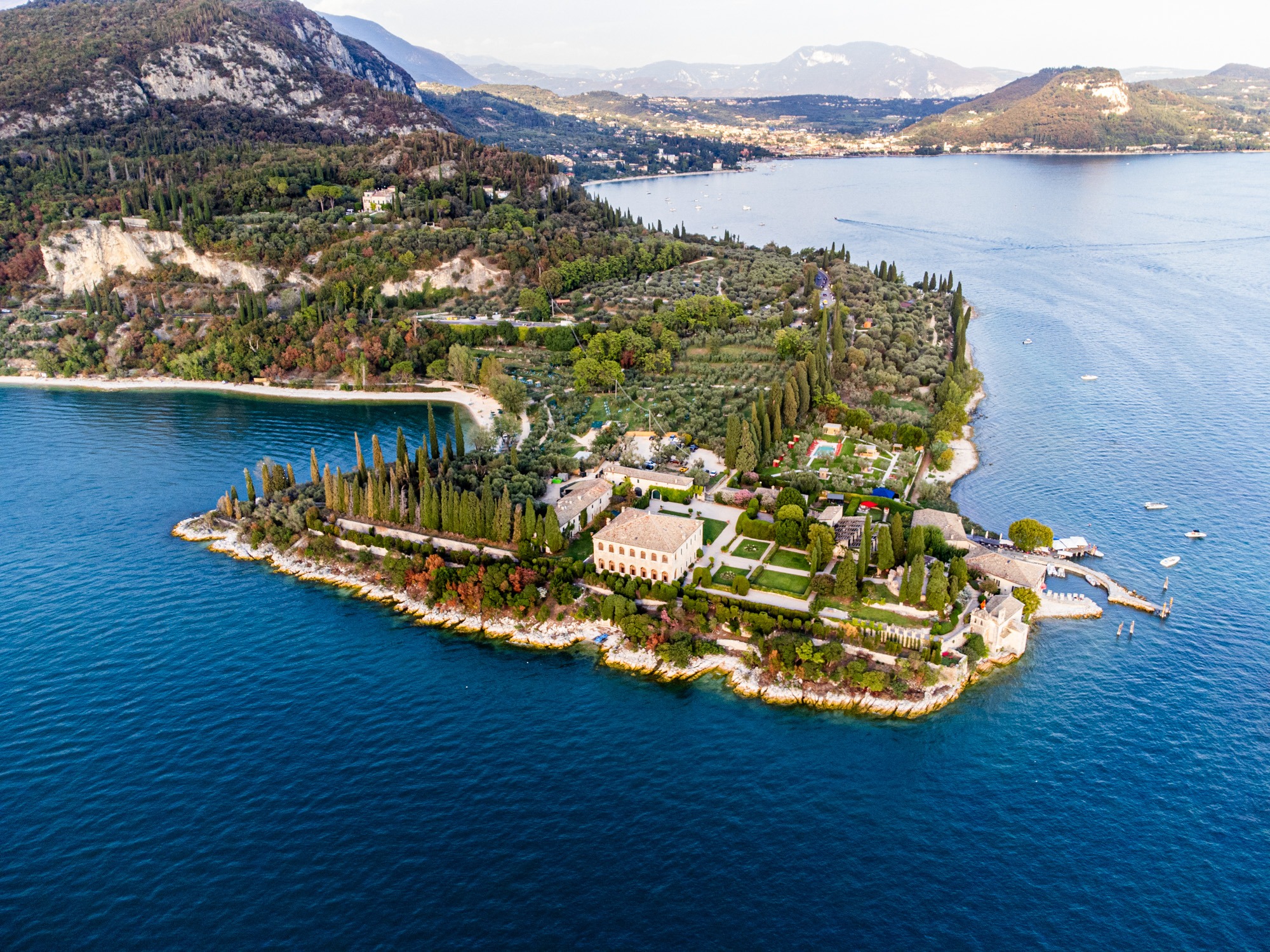
Rising 416 metres above the shoreline between the gulf of Garda and the town of Torri del Benaco, Monte Luppia forms a dramatic geological promontory terminating at Punta San Vigilio and the Baia delle Sirene. The mountain’s trail network is renowned for sharp limestone bedrock (*calcari grigi*), exposed tree roots, and steep gravel sections that challenge intermediate and advanced riders alike.
Under the international Singletrail Scale, the primary itineraries—including Trail #30 ascending from Garda through Valle delle Fontane and Trail #31 traversing toward Albisano and Crero—are classified between S2 and S3 difficulty. Riders encounter frequent rock drops, tight switchbacks, and loose stones that become exceptionally slick following autumn rain showers. Full-suspension all-mountain or enduro bicycles equipped with reinforced tubeless tires, robust hydraulic brakes, and low tyre pressures are strongly recommended over lightweight gravel setups.
Prehistoric Petroglyphs: Cultural Heritage Along the Ridge
Beyond its outdoor appeal, Monte Luppia houses one of northern Italy’s most significant open-air archaeological complexes: the prehistoric rock carvings (*Incisioni Rupestri del Monte Luppia*). Over three thousand engraved figures, documented on smooth glacial rock slabs (*laste di pietra*), span centuries from the Bronze Age through the Middle Ages.
Riders and hikers traversing the upper paths pass historical engravings depicting human figures, weapons, tree symbols, and lake sailing craft. Due to the fragility of these polished rock surfaces, regional heritage authorities strictly prohibit riding directly over engraved slabs; cyclists must dismount and push their bicycles along designated wooden walkways and marked detours to protect these irreplaceable cultural relics.
Emergency Protocols and Essential Safety Guidelines for Cyclists
When riding off-road in the Monte Baldo and Monte Luppia districts, overseas visitors should observe established alpine safety standards to ensure rapid rescue assistance in case of mechanical failure or injury:
• Emergency Dialing (112): In the event of an accident, dial the Single European Emergency Number 112 immediately. Inform the dispatch operator that you require the Soccorso Alpino (Mountain Rescue) and provide your exact GPS coordinates.
• GeoResQ Mobile App: Recommended by the Italian Alpine Club (CAI) and CNSAS, the smartphone app enables instantaneous location transmission directly to regional alpine rescue rescue desks even in zones with marginal mobile reception.
• Protective Equipment: Certified cycling helmets are mandatory, with knee guards, elbow pads, and long-finger gloves advised for technical descents. Always pack a compact first-aid kit, a thermal foil blanket, a dedicated multitool with chain breaker, and a minimum of 1.5 litres of water, as mountain springs are absent along the ridge.
• Environmental and Trail Etiquette: Yield the right of way to uphill hikers, keep speeds controlled on blind corners, and avoid skidding on fragile topsoil. For extended excursions during the season, consult the comprehensive guide to Lake Garda in Autumn and combine outdoor routes with visits to historic bastions such as the Scaliger Castle in Sirmione across the lake.