Major infrastructure works for the Sarca River Flood Defense in Arco underwent on-site executive inspection on 26 September 2026, confirming key engineering interventions designed to expand hydraulic discharge capacity and safeguard vital Alto Garda cycling corridors.
The municipal council of Arco, led by Mayor Alessandro Betta and municipal public works engineers, conducted a comprehensive progress review of active worksites along the riverbanks. Supervised and executed by the Servizio Bacini Montani (Mountain Basins Service) of the Autonomous Province of Trento, the multi-phase project addresses critical hydraulic vulnerabilities exacerbated by intense autumn weather patterns across the southern alpine watershed.
Hydrological Importance of the Sarca as Lake Garda’s Primary Feeder
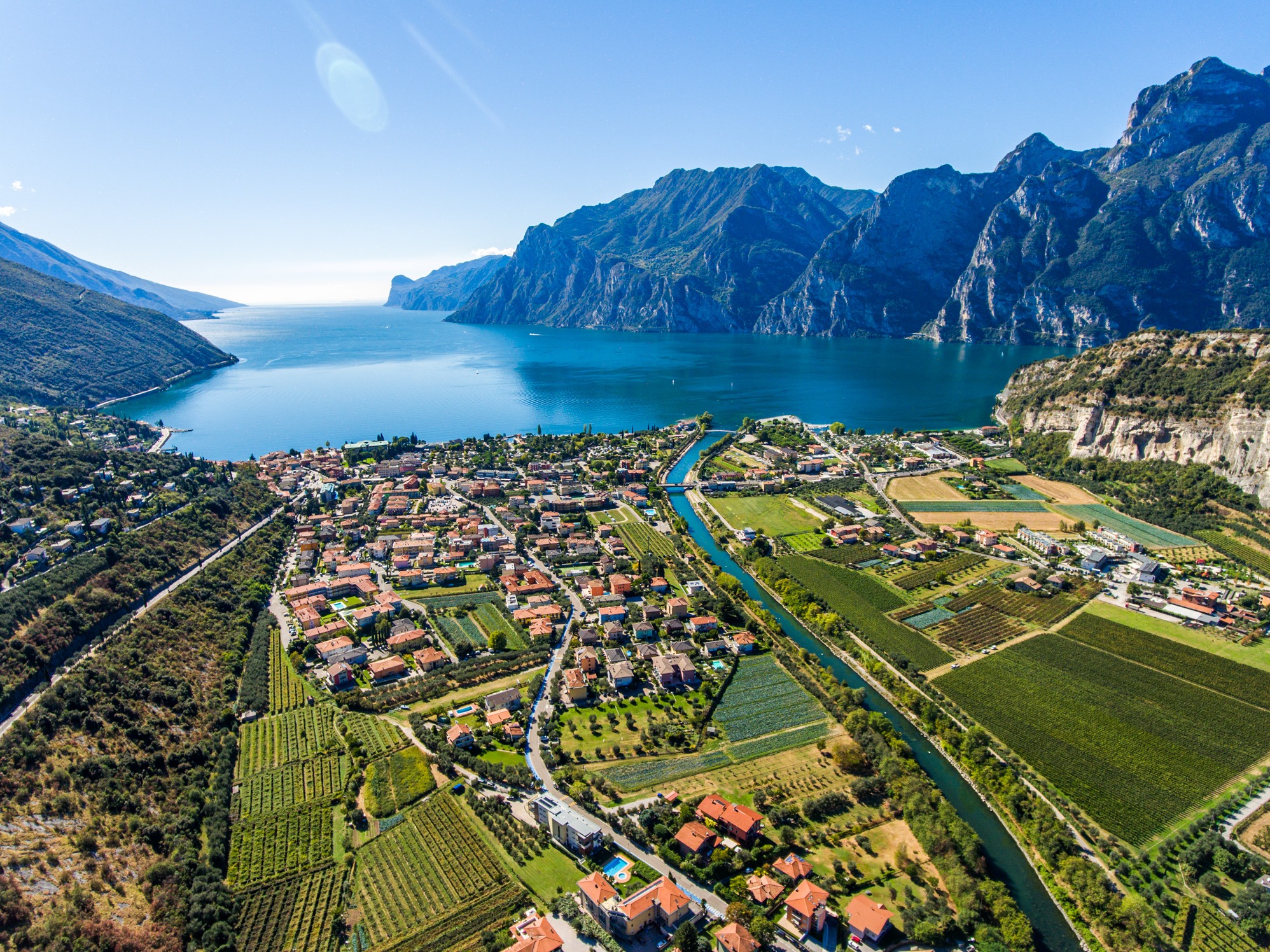
Originating high in the Adamello and Presanella glacial massifs, the Sarca River flows 78 kilometres through the Giudicarie and Sarca valleys before discharging into the northern end of Lake Garda between Torbole and Riva del Garda. Hydrologically, the Sarca represents the lifeblood of the lake, providing more than eighty percent of total surface freshwater inflow into the Benaco basin.
Because the river functions as the primary natural channel carrying alpine meltwater and sudden storm runoffs from a catchment basin exceeding 1,200 square kilometres, maintaining adequate discharge velocity is essential to prevent upstream flooding in residential districts and agricultural orchards across Arco, Ceniga, and Dro. The current engineering intervention focuses on excavating gravel bars, widening constricted channels, and reinforcing critical river bends with bioengineered rock rip-rap.
Securing the Sarca Cycle Track and Climbing Access Corridors
A central objective of the riverbed reinforcement is ensuring long-term structural protection for the Ciclabile della Sarca (Sarca Valley Cycle Track). As one of northern Italy’s most frequented cycling highways, the asphalted route connects the lakeside beaches of Torbole and Riva del Garda with Arco, the limestone boulder fields of Marocche di Dro, and the northern vineyards of Sarche.
Autumn flood surges in recent years caused localized bank erosion, threatening sections of the cycling path and pedestrian footbridges. By installing reinforced stone revetments combined with deep-rooted native willow and alder plantings, engineers are stabilizing the river embankment against scour while preserving unobstructed passage for thousands of European cycle tourists, runners, and climbers who utilize the river trail daily to reach renowned sport climbing crags such as the Falesia del Belvedere and Massone.
Environmental Conservation and Downstream Water Quality
Environmental biologists from the provincial forestry service are collaborating closely with hydraulic engineers to ensure that earthmoving within the active riverbed minimizes disruption to native aquatic ecosystems. The lower Sarca provides essential spawning gravels for the native marbled trout (Salmo marmoratus), a keystone salmonid species protected under European conservation directives.
The stabilization works are scheduled in precise seasonal windows to prevent excessive sediment suspension from reaching the pristine northern waters of Lake Garda. Travellers planning outdoor excursions across the northern basin can monitor passenger ferry connections through the Navigarda Autumn Ferry Schedule and discover scenic seasonal routes in our regional guide to Lake Garda in Autumn.