Don Gino Rigoldi Highlights the Importance of Normality in Youth Education
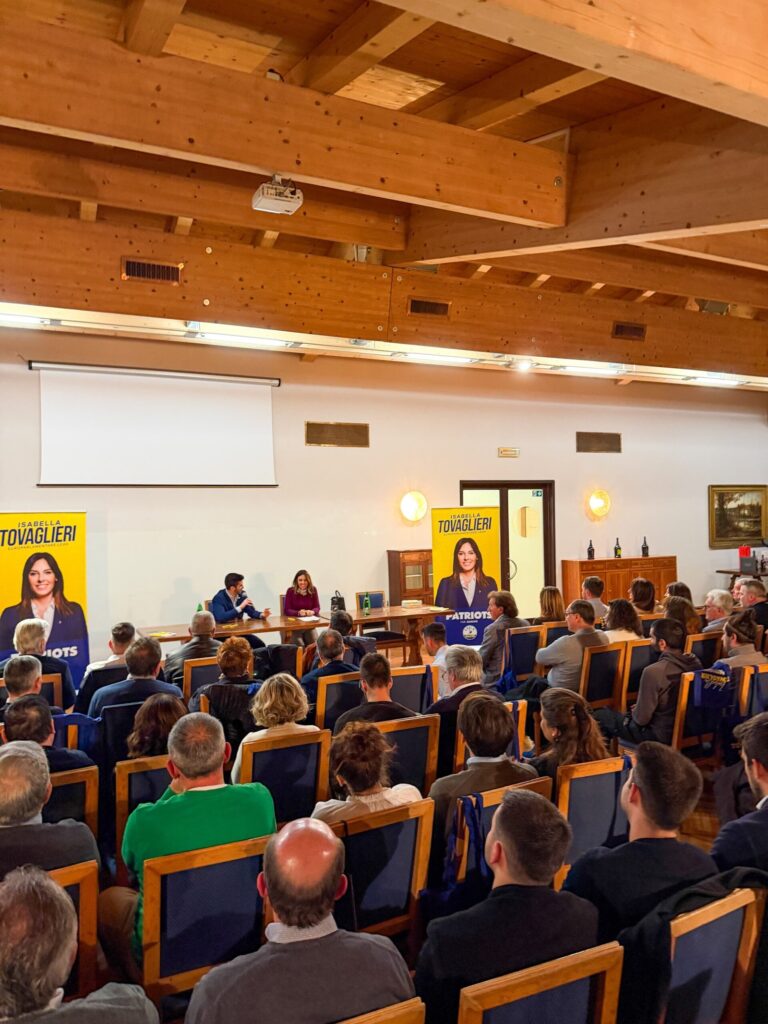
“Give importance to normality; it is the latter that must assume quality.” Don Virginio Rigoldi issued this warning during his speech in a crowded auditorium at the Police Academy, where many gathered to listen to his testimony. The evening, dedicated to minors and organized by volunteer associations from the municipalities of Peschiera, Castelnuovo, and Lazise, with the presence of the social services manager of ASL 22 Antonio Bortoli, saw him as the protagonist: the chaplain of the Beccaria juvenile detention center in Milan spoke to local administrators, social workers, volunteers involved in various local groups, and citizens.
The theme of minors and their well-being
The theme “SOS Minori” is current and urgent, due to the recent news events of the past few years, and is present even in the Garda municipalities, where well-being can hide discomfort and deviation among young people rather than remedying them. Don Gino is unequivocal: he thanks those who are active socially, those who, in small ways, commit themselves to fighting against the exclusion of minors, but he warns parents and educators to “pay great attention to normality.”
Don Gino’s insights come from the many young people he has met over 30 years spent at Beccaria and through the numerous solidarity activities he himself promoted. “The stories of boys who end up in prison tell us,” the chaplain explained, “that today, more than in the past, adolescents are less conflicted, closer to normal in the eyes of those who know and educate them. However, their secret lives remain unknown, especially to parents, who are content to know a few surface-level facts that do not concern their intimate lives.”
Influence of models and behaviors
He described the influence of “bad teachers” as the strong negative models that boys know but do not interpret, often due to parents “sitting back and resigned.” “Today,” he added, “drugs are mainly for fun, sex has become a commodity, fashionable trends are seen as necessary, image is everything and hides the truth. Among the thousands of children passing through prison every year, 20 percent are of Italian nationality, and they tend to commit more acts of violence, with a social class leap. In recent years, many come from wealthy families, numerous are girls, and they exhibit high levels of emancipation and complex personalities.”
Educating on value and responsibility
So, how to navigate these challenges? What does it mean to be a good educator today? “The role of the educator should not become urgent only when something serious happens,” Don Gino explained. “There are three things to do well: give minors responsibilities, make them confront their duties and commitments; promote honest and transparent relationships, eliminating prejudices that friendships are merely reciprocal consumption; provide young people with ethical references, values, because it is not true that they do not want them.”
Many anecdotes were shared, very few and vague references to those young people known from the newspapers for their heinous crimes, but many of the advice Don Gino offered to attentive listeners. One piece of advice particularly stood out: “In education, the riskiest age is between 35 and 60 years old, when routines make us stiff. Make your life vibrant and positive so young people can look up to you, give them space to express their creativity, and let their lives become an adventure.”