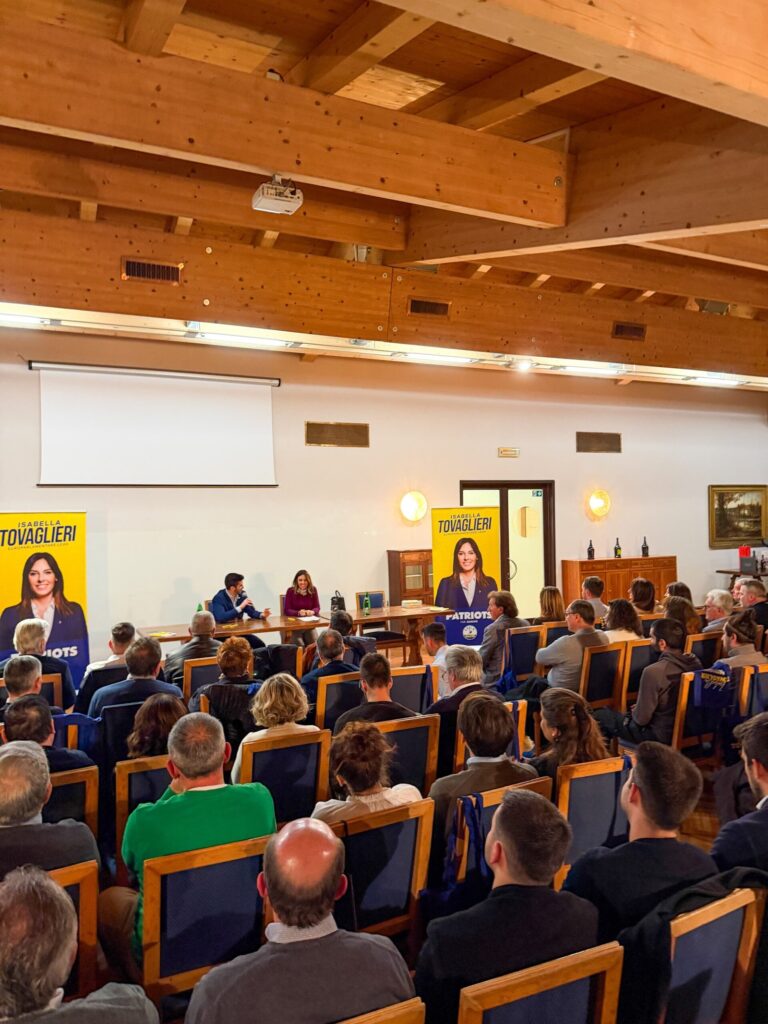
Garda Lake Water Management Conflicts and Damages Highlighted
Half a billion euros in damages caused by the storm of last November; the Venice Water Magistrate refusing to engage in dialogue; a mathematical model that would finally solve the issue of controlling Lake Garda’s water levels, stagnating since 1995; water, a precious resource that must begin to be rationed, managed without proper attention by the Mincio Consortium, which draws from the Garda basin for irrigation of Mantuan crops.
These are the main topics that emerged during the presentation of the technical report prepared by Engineer Celestino Dall’Oglio, commissioned by the municipality of Eschiera: the report estimated damages of 180 million euros to the lakeside promenade “Peschiera-San Benedetto” following the November storm.
The weather event was not exceptional for Lake Garda, but devastating because, at that time, water levels were at least half a meter above the seasonal limit.
Compensations and Legal Situations
The 180 million euros add to the approximately 300 million already calculated by Azienda Gardesana Servizi for problems caused to the collector on the Veronese side of the basin: a total of half a billion euros in damages will be requested from the Ministry of Public Works through the legal action that will be undertaken by AGS.
The same ministry, as well as the Ministry of the Environment, will receive an inquiry in which Mayor Umberto Chincarini will request resources to resolve the situation and the inclusion of representatives from the Garda municipalities within the commission responsible for setting the seasonal water levels of the lake.
Regulation Issues and Conflicts
This is the critical point of the issue: the regulation of water levels that must guarantee, simultaneously, the ecosystem and the economy of Garda, as well as the irrigation for the crops of the Consorzio del Mincio.
The Consortium is the main user and has been identified in Dall’Oglio’s report as the “primary cause of water conflicts”.
“We are dealing with complex balances in agricultural policy managed in a certain way, and this is a major problem,” explains Dall’Oglio. “As I wrote in the report, solutions can be found to ensure both the Garda settlements and the Mantuan ones, but everyone needs to discuss this together.”
But it is at this point that, paradoxically, greater difficulties arise, emphasizes Chincarini.
“The Prefect of Verona showed me the letter in which he invited, for the third time, the Venice Water Magistrate to allow their colleagues from Verona and Mantua to participate in a meeting that finally brings all relevant entities around the basin of Lake Garda together.”
“Venezia has not yet responded: it is gravely serious that the official representative of the Ministry of Public Works denies his availability to an initiative involving all of Garda.”
On the other hand, only fear of confrontation or some other reason explains why five years ago the mathematical model for level regulation, developed under official commission by a Verona study, was shelved,” Dall’Oglio adds.
“After collecting an extraordinary database, just at the most critical moment in 1995, the work was halted; with today’s technologies, very little would be needed to make it operational and to have an automatic, real-time flow regulation, thus avoiding situations and disasters like those recorded last November.”