Garda Seismic Network Development Discussed by Regional Institutions
It could become a scientific reality within the
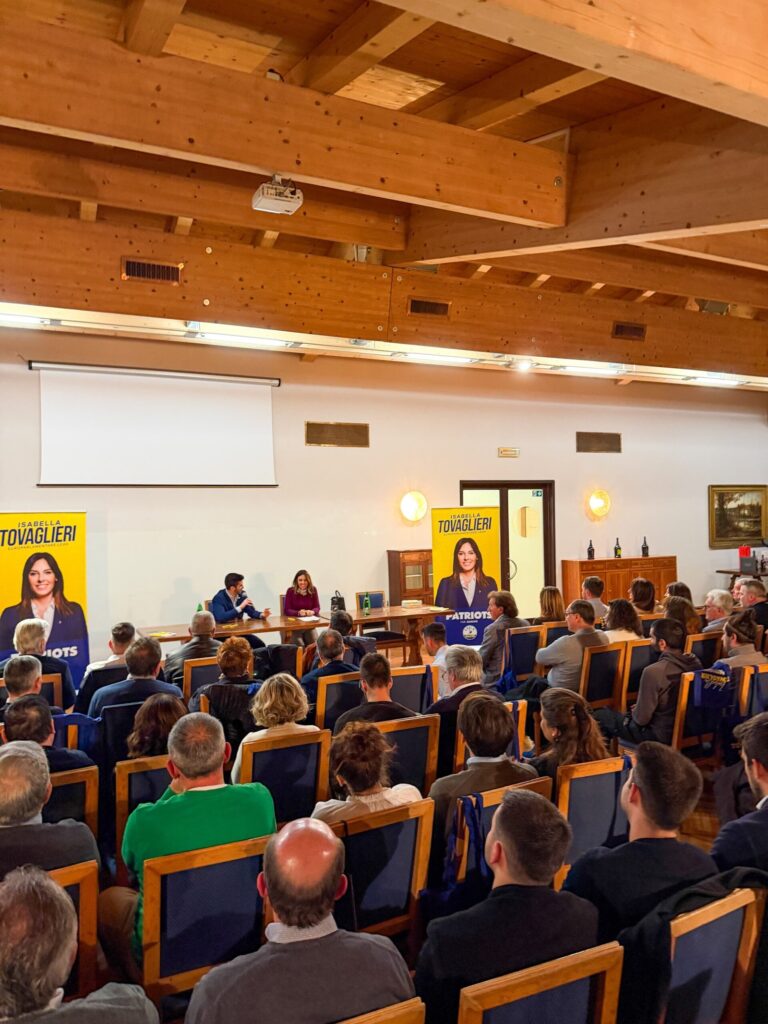
The Geophysical and Bioclimatology Institute of Desenzano del Garda. In this regard, the participants in the Assembly held in recent days at the town hall of Desenzano expressed their opinions, convened by the same Councillor Gianfranco Merici.
Present at the meeting for the Municipality of Desenzano were Mayor Felice Anelli, architect Menegato, a technical officer of the municipal Technical Office; for the Azienda Speciale were President Guido Maruelli, Dr. Walter Romagnoli, and consultant Prof. Adalberto Da Casto; for the Province, Councillor Elisetti; for the Lombardy region, Dr. Gemontana; for the Municipality of Sirmione, Dr. Busti and consultant Zilioli; for the Geophysical Institute, Professor Bertazzi and Dr. Sleyko from the University of Trieste; and for the Rotary Club of Salò, engineer Pedercini.
The Need for a Seismic Network in Garda
A particular point of interest was the need to equip the Garda area with its own seismic network capable of covering the entire region and complementing the current network in Northern Italy, which leaves the Lombardy territory completely unmonitored.
This network will certainly not be able to predict the occurrence of an earthquake, but during recent days, a slight tremor with its epicenter near Bardolino caused the Garda land to shake (magnitude 4), and it will undoubtedly set standards aimed at containing its destructive effects.
Institutional Interest and Future Plans
Mayor Anelli recalled how the Geophysical Institute has aroused particular interest from the Brescia Prefect, especially in relation to its connection with Civil Protection.
Province Councillor Elisetti reaffirmed the Province Administration’s willingness to participate, including financially, in the possible project. The Lombardy Region, represented by Dr. Gemontana, also confirmed its willingness to contribute.
Gianfranco Bertazzi briefly explained the current structure of the Institute, recalling its four sections: 1) climatological section; 2) seismological section; 3) bioclimatological section; 4) limnological section.
Focus on the Seismological Section
Of the four sections, the aspect most focused on during the debate, which should take priority over the others in operational terms, is precisely seismicity.
A study on microseismicity, Zilioli reminded, might not eliminate earthquakes but could quickly, within a maximum of 10 minutes, locate the epicenter and magnitude of tremors, enabling, as Sleyko stated, Civil Protection to intervene promptly and appropriately.
Remarks on Macroseismicity
The National Institute of Geophysics studies macroseismicity and does not consider minor local tremors, which are a reality in the Garda region.
Institutional Positions and Conclusions
Finally, everyone agreed that it would not be very productive to try to establish a new Association of Garda Brescia Municipalities when a Azienda Speciale already exists to represent and develop activities on their behalf, Maruelli concluded, effectively offering the entire operational structure of Garda Uno.
In the next meeting, after the Christmas holidays and considering what has emerged, some statutory modifications will be proposed; thereafter, the initial steps to activate the Garda seismic network can commence.