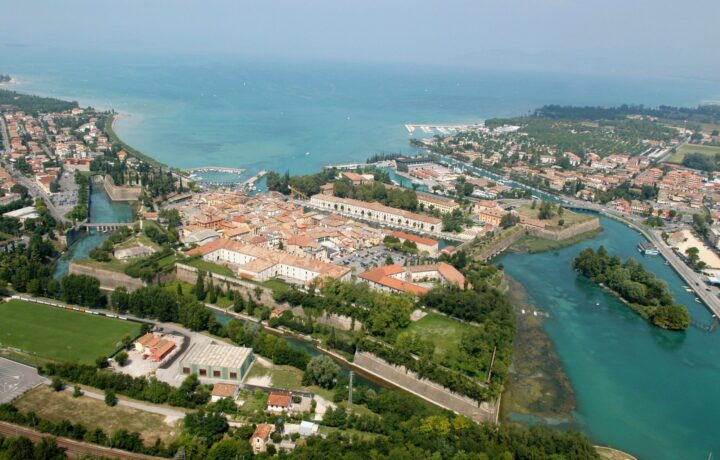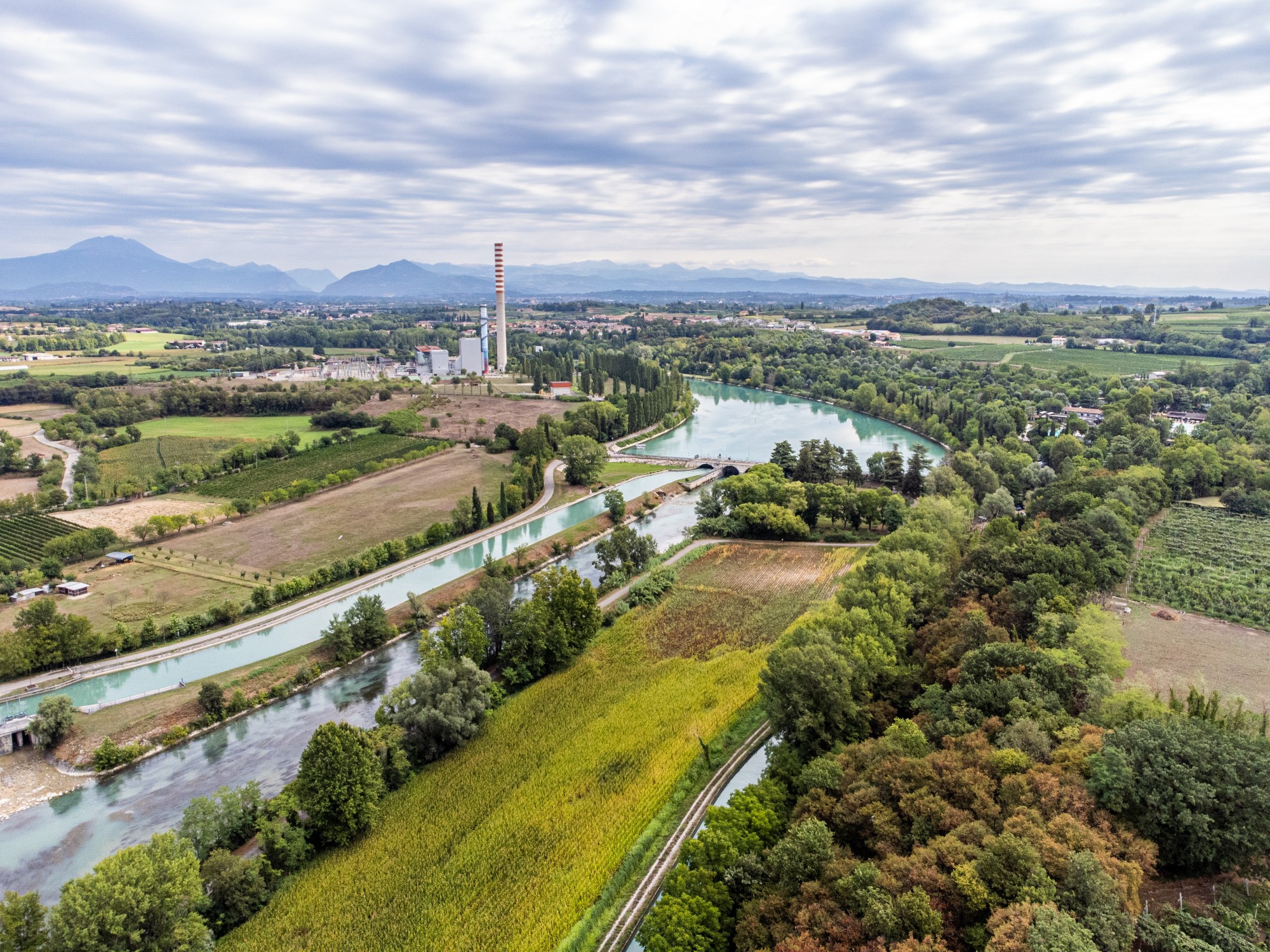
The Lake Garda Water Level stands at nearly sixty-two centimetres above hydrometric zero, maintaining an optimal hydraulic balance as authorities prepare to reduce the outflow into the Mincio River to fourteen cubic metres per second at the start of October.
According to Pierlucio Ceresa, Secretary General of the Comunità del Garda, the hydrological status of Italy’s largest basin remains remarkably solid heading into the autumn season. Despite prolonged summer drought conditions across northern Italy, the lake’s vast storage volume—acting as a fifty billion cubic metre hydrological and thermal flywheel—successfully sustained municipal drinking supplies, agricultural irrigation, industrial operations, and Navigarda public ferry navigation without triggering restrictions.
Temporary Outflow for Permanent Meadows and the Salionze Dam
At present, water discharge from Lake Garda through the regulated sluice gates of the Salionze Dam south of Peschiera del Garda is calibrated at twenty-five cubic metres per second. Over the coming days, the discharge rate will experience a brief, controlled increase of eight to ten cubic metres per second.
This targeted release provides vital irrigation to the prati stabili—the historic permanent meadows of the Mantuan and lower Mincio plains. Cultivated continuously since the Middle Ages without plowing, these meadows represent an invaluable agricultural and ecological ecosystem that relies directly on regulated Benaco waters. A similar irrigation release was executed successfully during early September.
October Reduction to Fourteen Cubic Metres per Second
Beginning in early October, the outflow protocol will pivot sharply toward water conservation. Following formal agreements ratified between AIPO (the Interregional Agency for the River Po), the Consorzio di Bonifica del Mincio, and the Comunità del Garda, the outflow through the Salionze barrier will be brought down to fourteen cubic metres per second.
This calibrated threshold fulfills two vital objectives:
- Minimum Vital Inflow (DMV): It guarantees the mandatory ecological flow required to sustain the downstream aquatic habitats of the Mincio River and safeguard the UNESCO World Heritage lake system surrounding Mantua.
- Basin Conservation: It halts unnecessary volumetric loss, preserving water reserves ahead of the winter months while allowing Lake Garda to comfortably absorb heavy autumn rains without threatening shorelines, waterfront promenades in towns like Salò and Desenzano, or the foundations of monuments such as the Scaliger Castle in Sirmione.
Hydraulic Safety Margin for Autumn Rainfalls
The current hydrometric measurement of approximately sixty-two centimetres above the Peschiera reference datum establishes a substantial safety buffer. Unlike low-lying river systems vulnerable to flash flooding, Lake Garda’s surface area of 368 square kilometres allows it to absorb intense precipitation events with gradual, measured rises in water elevation.
For international visitors, lakeside hoteliers, and sailing enthusiasts, the official consensus confirms stable conditions: boat moorings, harbour entrances from Riva del Garda down to Salò, and public ferry connections remain entirely unhindered as the autumn season gets underway.