Traditional Afternoon Chats and Media Debates at a Venetian Café
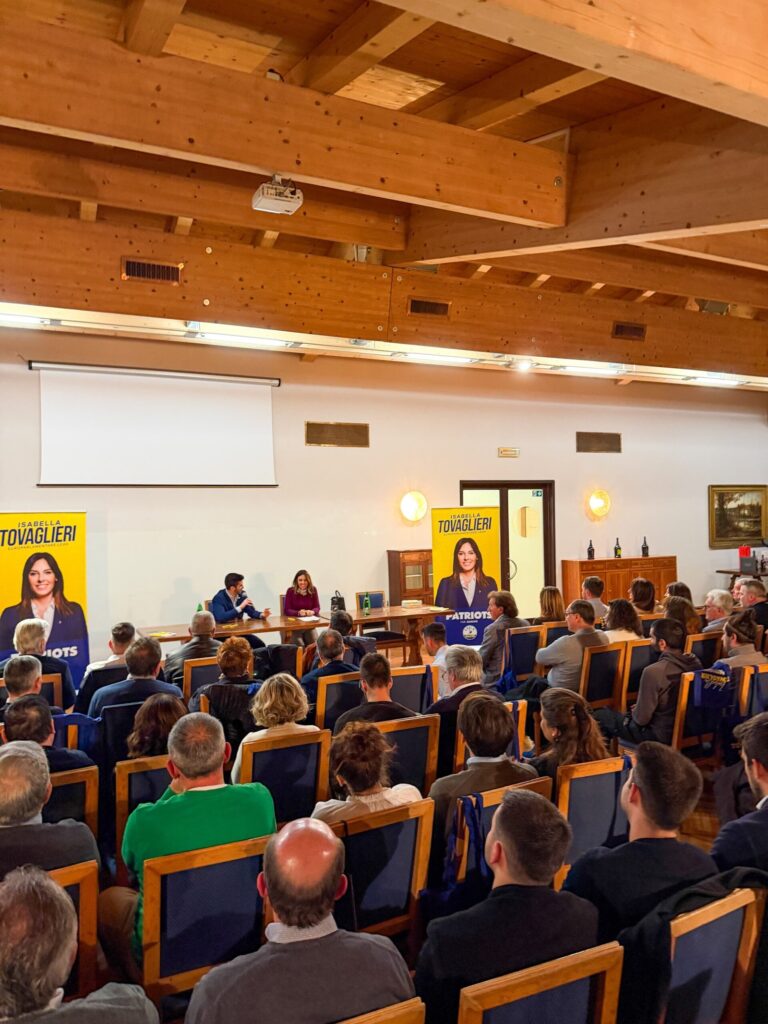
The great summer is just around the corner. The lakeside air works its healthful miracles. As a result, there’s a certain liveliness reflected in the small rooms of bars traditionally dedicated to the four afternoon chats. Especially for the ladies, particularly those with Milanese plates, who follow a precise routine: gathering at five in the afternoon for tea and dainty sweets topped with whipped cream.
Afternoon traditions and conversations
That is what happens in this late April, enlivening a tradition that remains vibrant even during winter, when the clientele is mostly local—except on Saturdays and Sundays. But what topics do these lively, sometimes outdoor, conversations cover, even with too many cigarettes between their lips? Puzzles, yes, but ones that are easily dismantled.
Pause at the renowned spot just below the old Venetian municipality, now out of fashion, which breathes air from the Porto Vecchio. Comfortable environment, knowledgeable staff, an impeccable manager—grandmother Colomba. Having left her counter (since her son oversees the service), she wanders among the clientele, finding her niche among the ladies.
And once she has made her nest and taken center stage, she presents herself as a well-heeded director of polite discussions, albeit often lively. Currently, the main topic is television advertising. Highly criticized—and rightly so. However, many good commercials are not lacking; quite the contrary, there are some excellent ones.
Critique of television advertising
Overall, many commercials leave much to be desired: they have the fault of assuming that consumers are almost entirely naive—like indios, perhaps, enchanted by mirrors and colorful stones.
Thus far, the discussion, which is quite understandable, remains somewhat vague. The tone changes into outright protest, validated by letters sent to both major and smaller broadcasters (and perhaps some newspapers) “regarding the scorn inflicted upon the nudity of infants.” This disapproval, understandably, faces opposition from contrarians (to be interpreted in the feminine: we are not aware of a more direct equivalent) who fully justify the scenes created by advertisers.
Grandmother Colomba, who has the fighting spirit of a medieval heroine, does not give up. Her retaliation efforts multiply, ready for opponents to raise their shields. And, though daily newspapers swiftly fly off the calendar, it seems no participant in the dispute has switched to the opposing side.
The enemy factions of snapshots highlighting how much more poetic the poses of children were—still a few decades ago, adorably immortalized on a goatskin (or sheep’s fleece?)—constitute the majority; yet they struggle to hold their ground against a no less combative minority.
Personal interventions and news
From time to time, to clear the air and soften the tone of voices, Luigi Andreis intervenes: he is Grandmother Colomba’s husband, a painter not inclined to exhibitions (one might call him a collector of his own works), but full of lively experience, and has a studio above the long hall.
Soon turning the page, we arrive at the chapter of medicine. “I suffer from…” Oh heavens, the pains I endure… My daughter, confirmed by her trusted gynecologist, is happily expecting. Congratulations—and also best wishes that Carlo, which is apparently the name for the little boy, will soon be spoiled like Carletto or Carluccio (or even Uccio: it sounds more refined), and that he will not encounter a photographic studio of advertisers. Grandmother Colomba would find that an affront—no, truly.