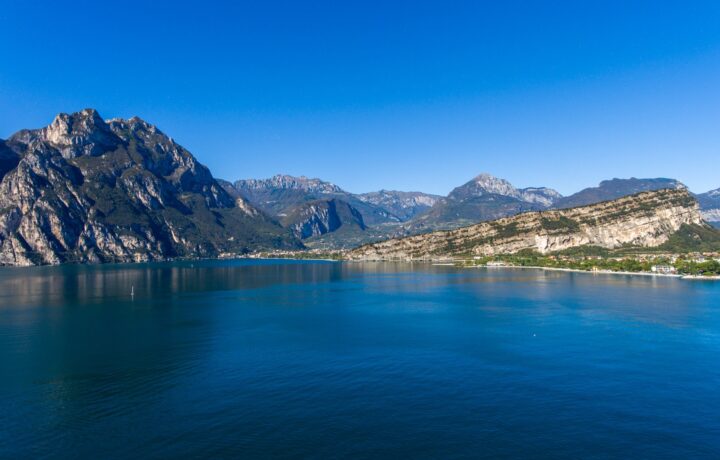
Perched directly above the churning limestone gorge where the mountain torrent plunges into the lake, the Casa della Trota on the Ponale has returned to international prominence as a focal point of extreme cliff diving, architectural conservation and major active travel engineering between Riva del Garda and the Ledro Valley.
In recent weeks, the dramatic ruins of the former lakeside hotel and restaurant at the mouth of the Ponale torrent have become an unapproved gathering spot for cliff-diving enthusiasts. Young thrill-seekers, traveling from Germany, Austria, and across Europe, have circumvented boundary security fences to leap more than fifteen metres into Lake Garda from the crumbling terraces of the abandoned structure. Videos documenting these extreme jumps have spread across social media, prompting public authorities and local emergency services to emphasize the severe hazards associated with the derelict site.
Critical Safety Hazards and Legal Access Prohibitions
The Casa della Trota compendium has remained vacant and unmaintained for decades, leaving concrete balconies, railings, and interior masonry in an advanced state of structural degradation. Regional authorities have placed the complex under strict judicial and administrative access bans, cordoning off the perimeter with reinforced steel wire mesh.
In addition to structural collapse risks, the lake waters directly beneath the building harbor hidden geological dangers. The submerged lakebed at the base of the Ponale gorge features shallow limestone boulders and sharp debris washed down from alpine floods. Divers leaping from high terraces face substantial trauma risks from variable water depths and strong thermal undercurrents produced by the incoming mountain torrent, making the existing prohibitions vital for personal safety.
Eighteenth-Century Coaching Inn and the Vision of Giacomo Cis
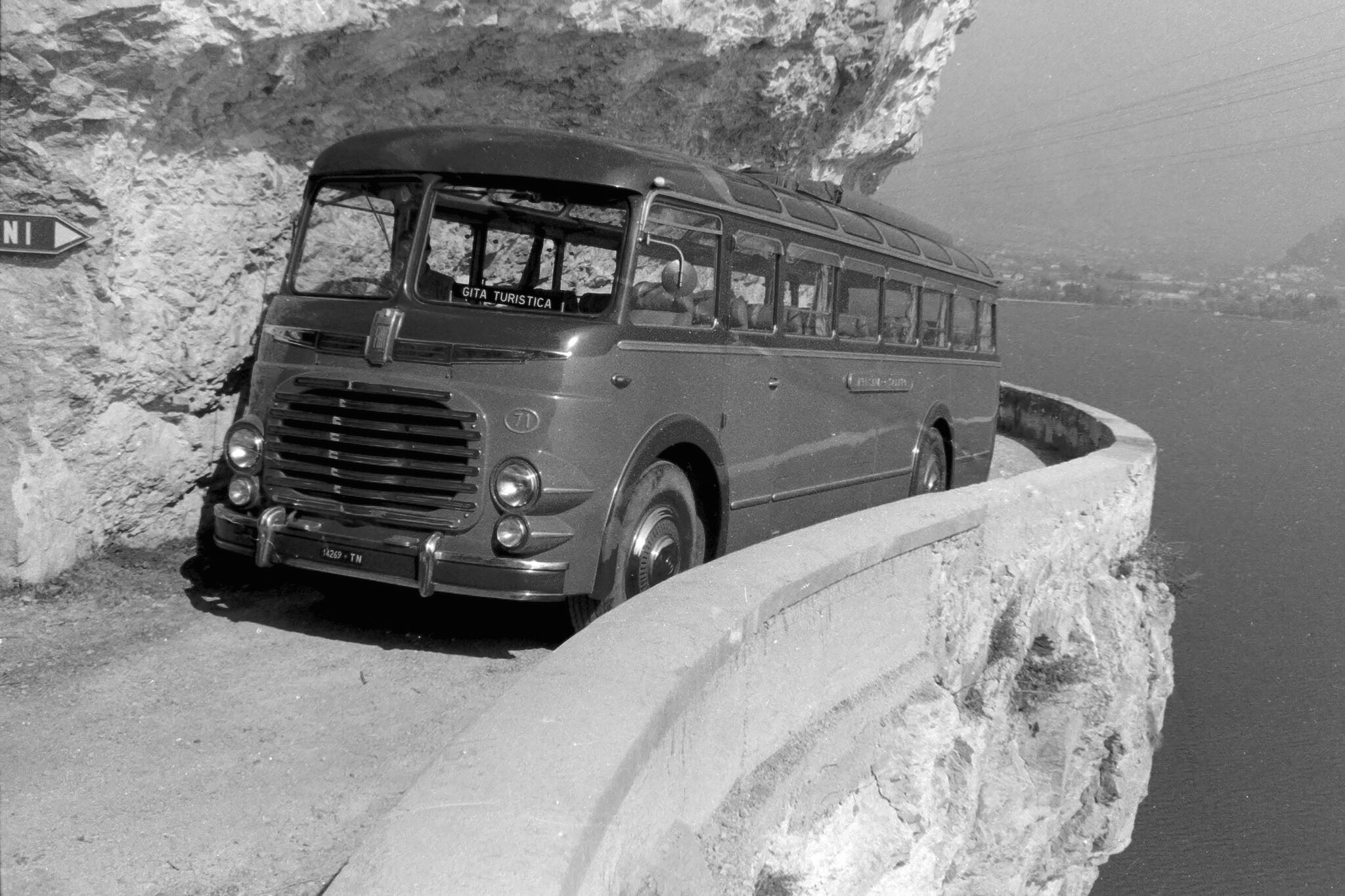
Long before modern infrastructure transformed the Benaco, the original core of Casa della Trota existed in the eighteenth century as a remote lakeshore outpost and fisherman’s refuge. In 1851, the brilliant Ledro merchant and visionary entrepreneur Giacomo Cis revolutionized alpine mobility by engineering the world-famous Strada del Ponale. Chiseled into vertical limestone precipices overlooking the lake, the road ended centuries of geographical isolation for the communities of the Ledro Valley, linking them directly to the port of Riva del Garda.
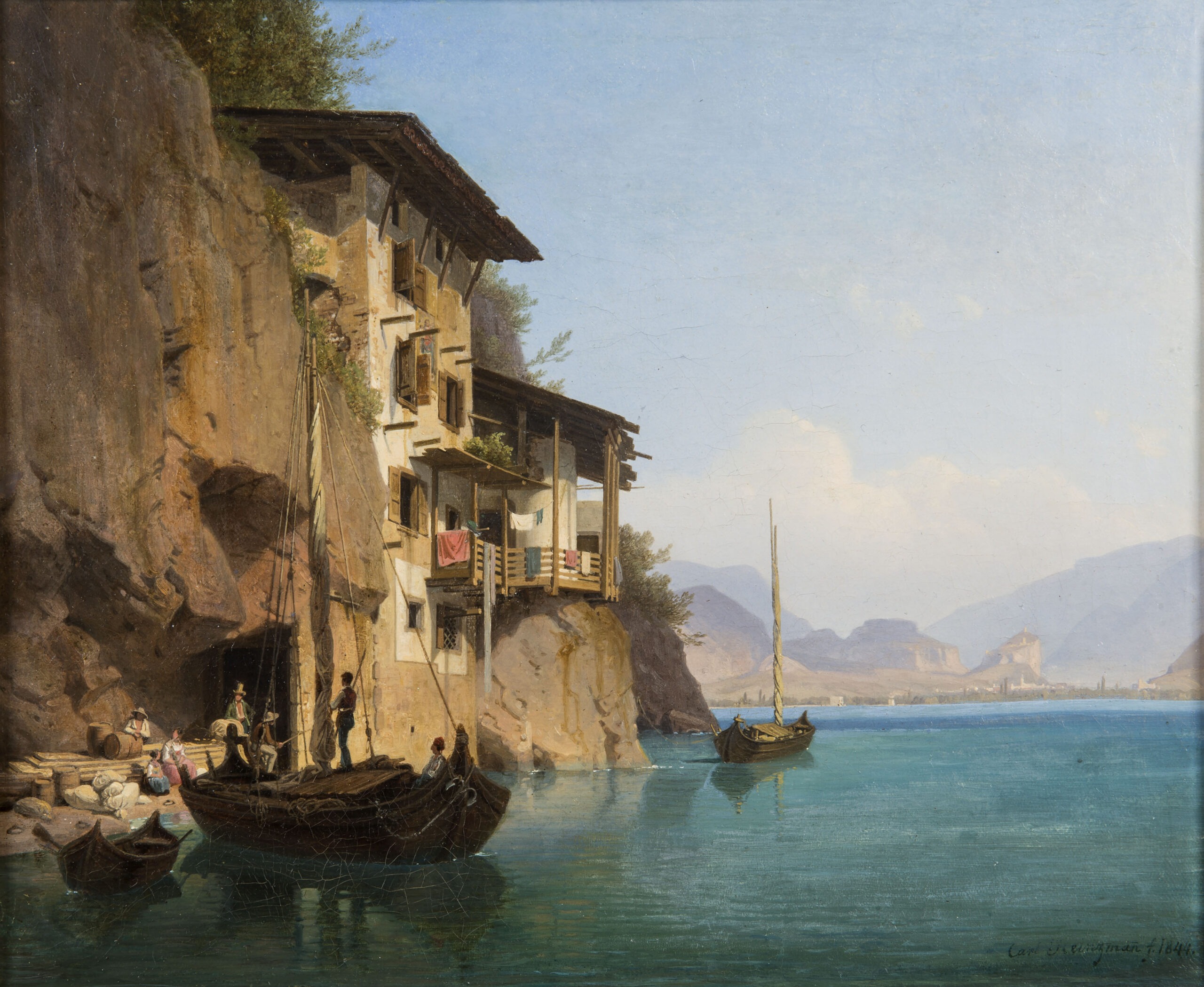
Casa della Trota evolved into an iconic staging post, welcoming horse carriages, hikers, and European Grand Tour voyagers. The inn gained international renown for fresh lake trout harvested directly from the churning waterfall basin. Its scenic grandeur was immortalized in 1844 by Bavarian court painter Carl Friedrich Heinzmann in his oil masterpiece L’osteria del Ponale al Garda See, today preserved in the collections of the MAG (Museo Alto Garda) in Riva del Garda.
Provincial Acquisition: 2.3 Million Euros for the Ciclovia del Garda
On 10 July 2026, the Provincial Council of the Autonomous Province of Trento, acting on a resolution presented by President Maurizio Fugatti, formally authorized the public acquisition of the entire Casa della Trota compendium for 2.3 million euros. Rather than allowing the historic site to succumb to private decay or commercial speculation, the provincial government purchased the property to unlock a pivotal geographical link for the northern segment of the Ciclovia del Garda.
The strategic acquisition enables engineering teams to eliminate an expensive, enclosed tunnel bypass through the rock massif. Instead, the cycling and pedestrian route will run along an open-air 300-metre lakeside waterfront corridor, seamlessly connecting the section between the Orione tunnel and the Ponale river mouth with the subsequent lot between the historic Titani and Aurora tunnels.
Restoration Master Plan and Historical Trail Reconnection
Construction crews will commence on-site works in October 2026, timed precisely with the conclusion of the peak summer tourism season to minimize disruption along the northern lakeshore. The comprehensive project encompasses three core interventions:
• Architectural Conservation: Full structural consolidation and seismic retrofitting of the original eighteenth-century stone building, preserving its vernacular character as a heritage cycling info-point and scenic rest pavilion.
• Demolition of Derelict Additions: Selective removal and disposal of precarious mid-twentieth-century concrete extensions, terraces, and compromised outbuildings that currently mar the natural cliff face.
• Environmental Stabilization: Scaling and netting of vertical rock falesie above the route, paired with the full restoration of the ancient pedestrian stone path linking the lakefront directly to the upper Strada del Ponale.
This milestone project complements wider alpine infrastructure works documented in our guide to the Garda Cycle Path Tunnels and regional flood engineering along the Sarca River Flood Defense in Arco. For active travelers planning autumn excursions, explore our curated seasonal routes in Lake Garda in Autumn and verify regional water transit via the Navigarda Autumn Ferry Schedule.