Exploring Campo di Brenzone and Romanesque San Zeno reveals one of the most untouched cultural landscapes on the eastern shore of Lake Garda, where medieval stone hamlets, eleventh-century frescoes, and ancient olive terraces offer tranquil autumn walking itineraries high above the water.
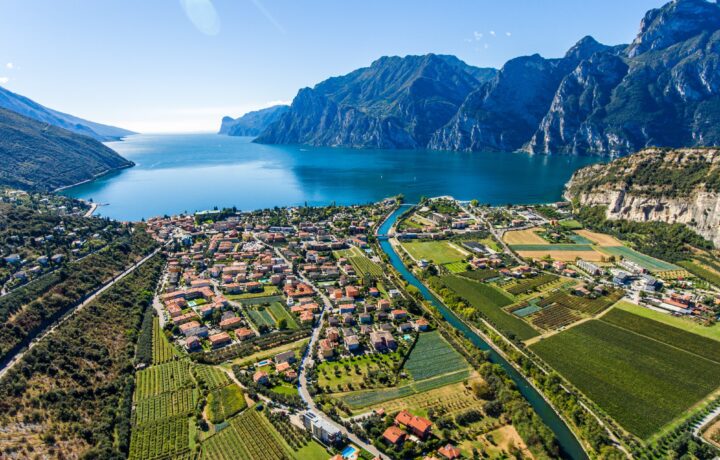
While summer crowds concentrate on bustling lakeside harbours, the foothill slopes of Brenzone sul Garda preserve a network of ancient settlements and quiet cobbled mule tracks (mulattiere). Situated along the western slopes of Monte Baldo, these historic hamlets—Castelletto, Biaza, Fasor, Magugnano, and the secluded village of Campo—provide visiting travelers with an authentic glimpse into the agrarian architecture and spiritual roots of the Benaco region.
The Car-Free Medieval Village of Campo on Monte Baldo
Perched 200 metres above lake level, the medieval hamlet of Campo remains entirely inaccessible by automobile. Reachable solely on foot along shaded stone paths, the village consists of rustic stone farmhouses, vaulted archways, and enclosed limestone courtyards constructed between the eleventh and fourteenth centuries.
Largely depopulated during the mid-twentieth century as residents relocated closer to lakefront roads, Campo avoided modern architectural alterations. In recent years, careful historical preservation led by the CTG Brenzone cultural association has safeguarded the settlement’s vernacular integrity. Today, Campo stands as an open-air museum of medieval rural living, hosting quiet summer acoustic concerts and seasonal cultural encounters that respect its contemplative atmosphere.
Romanesque Masterpieces: San Pietro in Vincoli and San Zeno de l’Oselet
The cultural jewel of Campo is the twelfth-century Romanesque church of San Pietro in Vincoli. Modest in exterior stone masonry, the interior houses an extraordinary treasure: a remarkably preserved fresco cycle completed in 1358 by the itinerant master Giorgio da Riva. The Byzantine-Gothic paintings depict Christ Pantocrator, the Twelve Apostles, Saint Peter in chains, and local medieval benefactors, offering exceptional art-historical value in a remote mountain sanctuary.
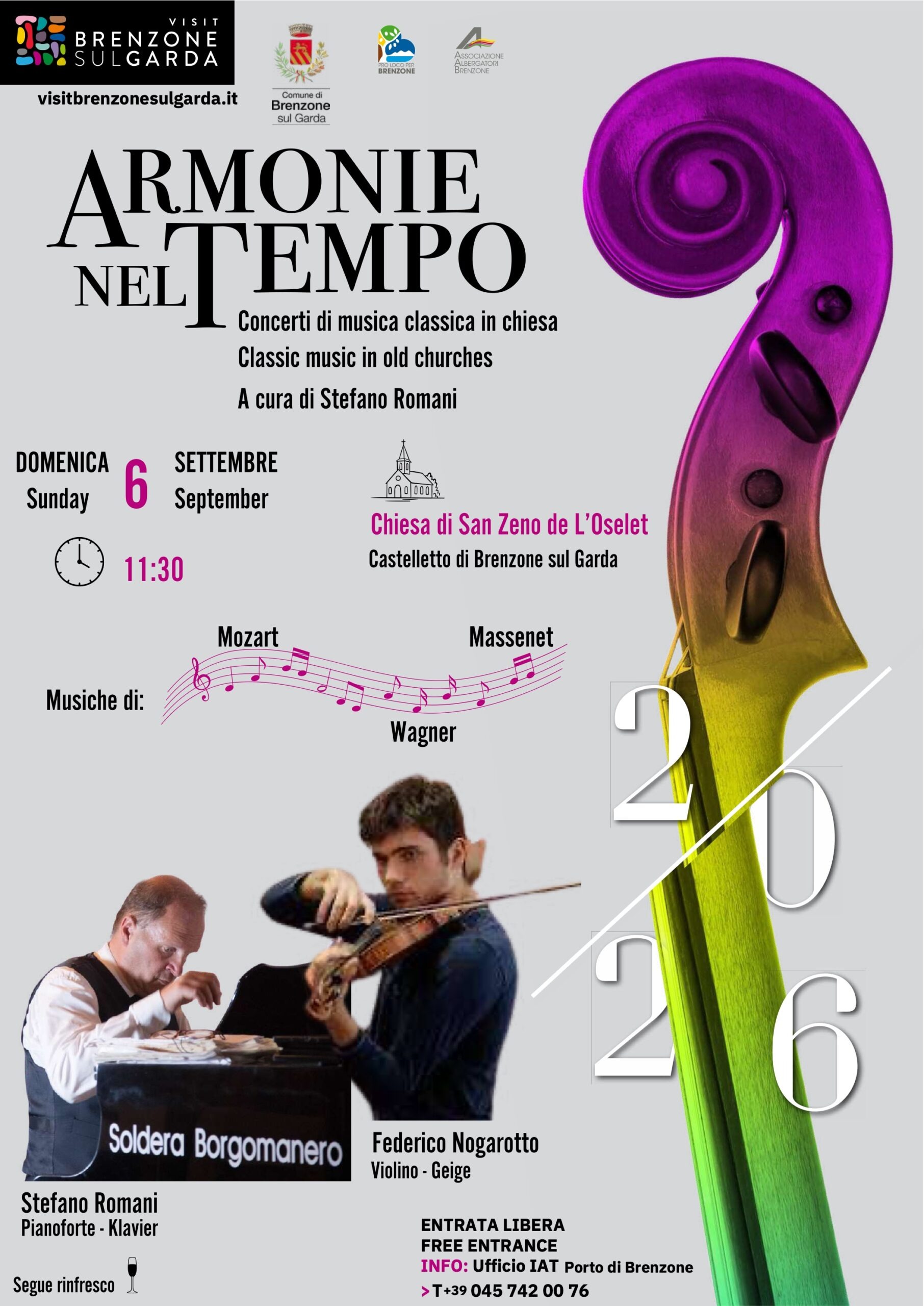
Further down toward the lake in the ancient quarter of Castelletto stands the church of San Zeno de l’Oselet (Saint Zeno of the Little Bird), dating from the late eleventh to early twelfth century. Erected on the foundations of a Roman villa and early Christian burial ground, the building incorporates Roman funerary stelae directly into its external rubble walls. With its twin Romanesque apses, semicircular arches, and archaic carved capitals, San Zeno represents one of the oldest and most architecturally significant ecclesiastical structures on Lake Garda.
Ancient Casaliva Olive Terraces and Traditional Mulattiere
The landscape surrounding Campo is defined by monumental dry-stone retaining walls (marogne), built entirely by hand over centuries to tame the steep limestone terrain. These terraces support extensive groves of Casaliva, the indigenous olive variety prized for its resilience to alpine winds and remarkable oil quality.
Beneath the autumn sun, olive growers prepare for the traditional hand-harvest that commences in October. Cold-pressed in local cooperative mills, Garda DOP extra virgin olive oil from Brenzone is distinguished by exceptionally low oleic acidity (consistently below 0.3%) and delicate sensory notes of fresh artichoke, green almond, and wild herbs.
Autumn Walking Loop and St. Francis Feasts
On 2 and 3 October 2026, Brenzone celebrates the Feast of Saint Francis with community cultural gatherings at the Garda Family House in Castelletto, followed by volunteer ecological trail-clearing walks departing from Biaza toward Campo. For visiting walkers, the classic loop route spans approximately six kilometres with 250 metres of elevation gain:
• Itinerary: Depart from the lakeside harbour of Castelletto, ascend past the church of San Zeno de l’Oselet along Trail #31, follow ancient stone mule tracks through Biaza and Fasor to Campo, and descend via the Magugnano mule track back to the waterfront.
• Footwear and Equipment: Sturdy hiking shoes with vibram-style lugged outsoles are essential; ancient limestone cobbles become highly polished and slippery during morning dew or autumn rain showers. Carry a refillable water bottle and walking poles for stability on steep stone inclines.
Combine this peaceful cultural walk with the nearby culinary celebrations of the Brenzone Fishermen Festival, discover traditional transhumance cattle heritage at the San Michele Livestock Fair in Prada, and consult our seasonal overview in Lake Garda in Autumn.