It is well known that during the 1950 Giro d’Italia, on the Vicenza-Bolzano stage, the great cyclist Fausto Coppi was knocked by another rider, fell and broke his pelvis, and was taken to Trento hospital (from 1 June, for four weeks). The next day the Giro riders passed right along the avenue beside the hospital, and he, the Campionissimo, was itching to be with them. The day would have passed almost unnoticed had it not been for Doctor Papa, who arrived at 1.30 pm. “He is an old country doctor,” the newspaper wrote, “from the Desenzano area” (in fact he was the doctor for Centenaro di Lonato). “He left home, and his patients for a few hours, to see Fausto Coppi. With his racing bike, short blue trousers, a thick jumper, water bottles and spare tyres, he looks like a cycling ace. He is sixty-four, with a long white beard, a slightly bent back and sparkling eyes. He arrived at Trento hospital dripping with sweat.” When he asked to be announced to Coppi, the porter hurried to telephone the champion: “Doctor Papa? Of course, send him straight up.” Doctor Papa ran up the stairs in one breath and introduced himself, saying:
“Dear Coppi, I hope you’re feeling better… The accident at Primolano has upset my plans, because I had decided to greet you as the winner in Rome, where I would have gone by bicycle… I hope you’ll be back on your feet soon…” The injured rider smiled, because the visit of that good man soothed his nerves… After half an hour the Centenaro doctor got back on his racing bike and set off home to Desenzano. Coppi knew he had a loyal friend in Doctor Papa: he had seen him several times in Milan, always there when he crossed a finishing line.
A few days later (14 June 1950) a new feat by the cycling doctor was announced: a bike ride from Desenzano to Rome in just two stages (“no easy task even for a young man”, it was remarked). “Doctor Enrico Papa, a surgeon from Desenzano, who can no longer be called young (he is 64), would have pulled it off brilliantly had a trivial mishap not forced him to stop last night in Civitavecchia, turning two stages into three. The daring Doctor Papa had completed the Desenzano-Florence leg in the planned time. A short rest, and off again through Poggibonsi, Colle Val d’Elsa, Monticiano and Roccastrada towards Rome.
On the second leg the terrible state of the road surface forced Papa to slow down, but he would still have arrived on schedule, riding the last 72 kilometres during the night between Tuesday and Wednesday. Unfortunately, a fault in his bicycle lamp, which could not be repaired or replaced straight away, forced Doctor Papa the other evening to give up riding through the night and stop in Civitavecchia, from where he set off again at dawn, still pedalling, for Rome, arriving at nine.
Apart from this hitch, the journey was excellent in every respect. Even the climbs of the Raticosa and Futa passes did not seem harder to Doctor Papa than those of the Alpine foothill valleys, and he rode up them, as he assured us,” says the reporter, “without ever getting off the saddle. The Desenzano doctor, who despite the exertions of recent days appears in perfect physical shape, will be received tomorrow in audience by Pope Pius XII” (15 June 1950).
Doctor Enrico Papa, physician and keen sporting cyclist, had become a much-loved local figure in those years. Does anyone remember him today?
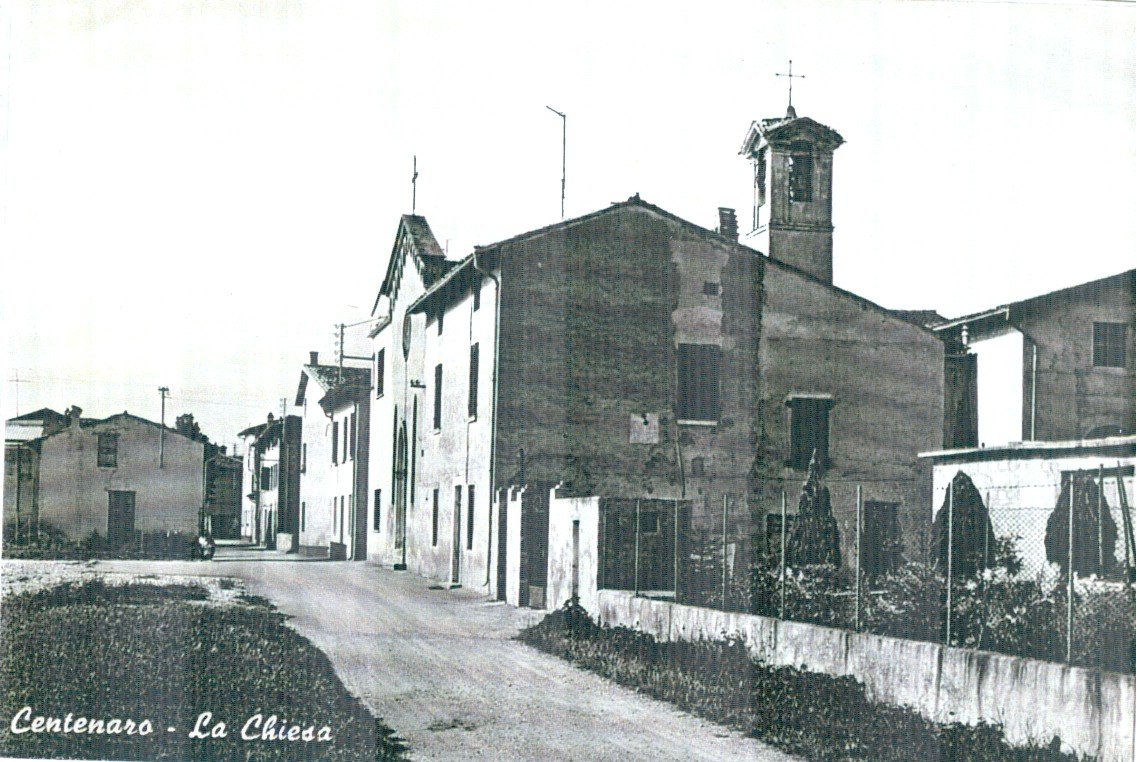
I often crossed paths with Doctor Papa when I cycled to middle school in Desenzano. Leaving school at 12.30, I would climb, tired and hungry, up Via Sant’Angela Merici to reach the main road, now Viale Marconi, on my way back to Lonato… And on that stretch of road, at the same time, almost every day, the sporting doctor would overtake me. I also remember trying several times to follow him along the road between Desenzano and the Menasasso junction (now the Perla area), which he took to head for Castelvenzago and then down to Centenaro, where he had his surgery. Easy to recognise by his white beard, he wore knee socks and plus fours, and he pedalled and pedalled, so that he always left me behind…
Article by Osvaldo Pippa for GN Magazine (November 2026).
Read more from GN – November 2026
-
Magnifica Patria di Riviera: Six Centuries Since Lake Garda Turned to Venice
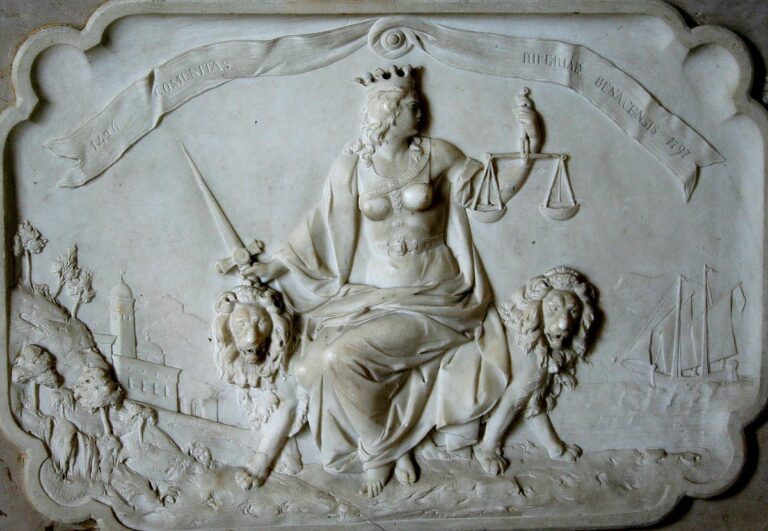
A look at the latest cultural events organised by the Municipality of Salò to mark the sixth centenary of the Magnifica Patria’s dedication to the Republic of Venice on 13 May 1426 On 3 October, the Sala dei Provveditori in Salò‘s town hall hosted the most significant of the fifteen or so conferences planned for […]
-
Chrysanthemum: November’s Flower for All Saints
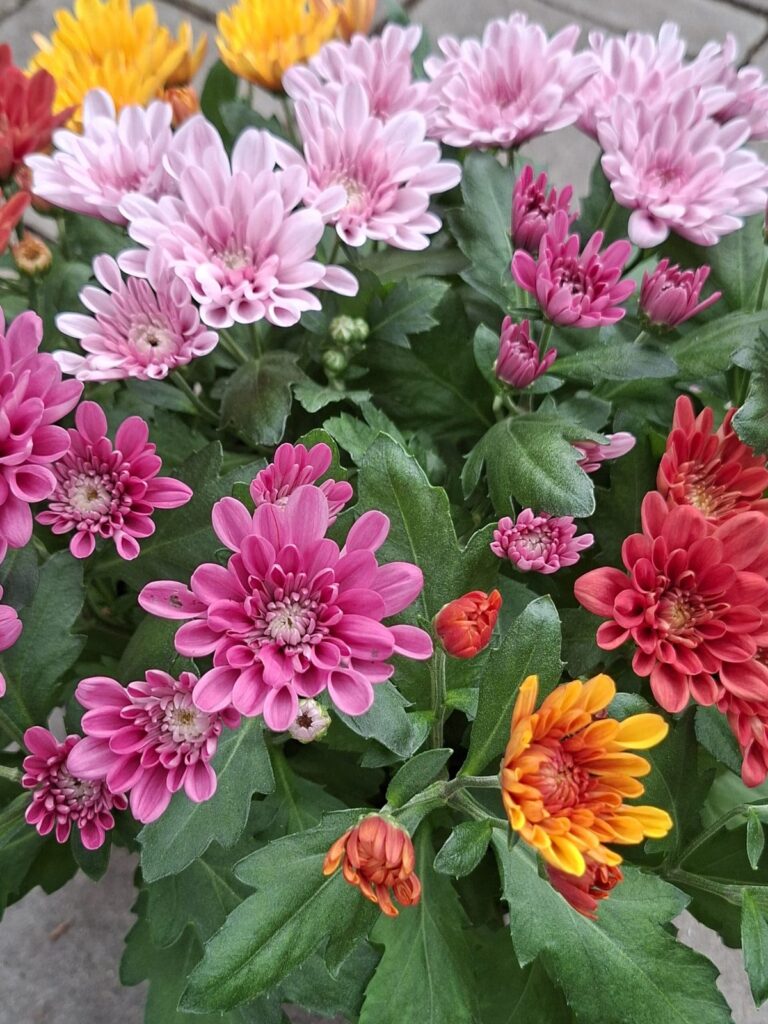
This month I want to talk about a plant you can find everywhere at this time of year, and one tied to a very particular occasion: the chrysanthemum, the flower traditionally brought to our departed loved ones on All Saints’ Day. It is a hardy plant, and it is always in bloom at this point […]
-
Madonna di San Polo: the 2021 Apparition and Bishop Sayaogo’s Testimony
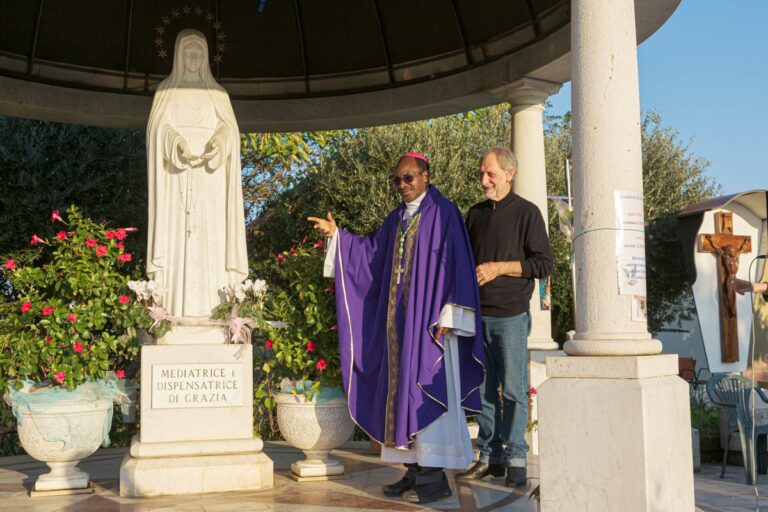
The apparition of 22 May 2021 to three children The story of the Madonna di San Polo in Lonato del Garda continues. Luigi always wished to become known only after his death, and wanted the place itself to become known through what others told about it. That wish was granted on 22 May 2021, when […]
-
Lake Ledro and Lake Garda: the Hidden Link Between Peschiera and Molina
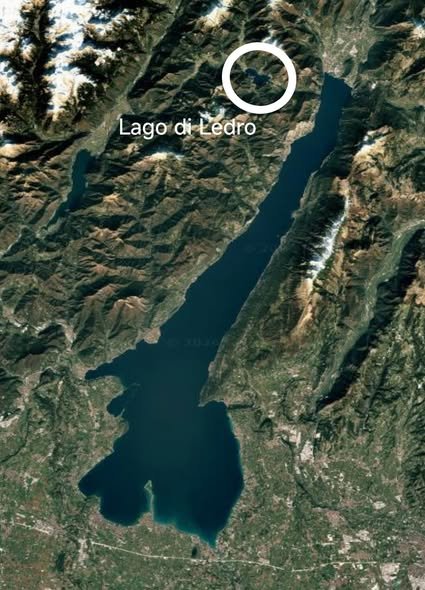
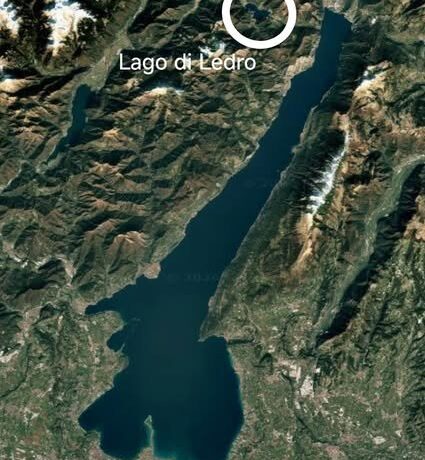
Looking at the two maps that accompany this article, Lake Garda and Lake Ledro seem like two separate worlds, divided by a wall of rock and a drop of some six hundred metres. And yet their waters hide connections that are as unusual as they are fascinating. Lake Ledro is the source of the Ponale […]
-
Ponale Waterfall: Lessons for Tourism on Lake Garda Today
Give yourself a few minutes to read this analysis. It is very relevant to Lake Garda, and it applies just as well to any other area that lives largely on tourism. As is my habit, I will start with a piece of history. It is the late 1920s. The Ponale waterfall, until then roaring and […]
-
Trans-Siberian Railway: the Friulian Workers’ Dilemma at the End of the Line
You see, Luigi, as work on each section of the railway came to an end, with the rails laid and the first test train arriving, all the free workers, that is, those who were not prisoners or otherwise employed by the Russian state, had to decide where to go on with their lives. For most […]