You see, Luigi, as work on each section of the railway came to an end, with the rails laid and the first test train arriving, all the free workers, that is, those who were not prisoners or otherwise employed by the Russian state, had to decide where to go on with their lives. For most of the Friulians, going home may have been the wish they had nursed like a dream on cold Siberian nights, resting from hard labour in the warmth of the stoves in the welcoming log huts. For some, though, another idea was taking shape: starting a new life far from their native land.
The writer Carlo Sgorlon also tried to answer this dilemma at the end of his novel La conchiglia di Anataj (Anataj’s Shell), considered by most critics to be his masterpiece. Not everyone has read the book, and some may want to know how it ends. So I will try to sum up the ending, partly in the words of its hero, Valeriano, the Friulian from whom fate had already taken his young partner Irina, who died in childbirth together with their son. Among the many emigrants in Russia, Valeriano too will finally make his choice, torn between the torments of reason and the promptings of the heart.
The building of the Trans-Siberian Railway, with thousands of work camps scattered along the planned route, is the thread running through the whole novel. Everyone lives for the railway. The author has Valeriano say: “Season after season we had spent on that work, and we had thrown months and years of our lives into it, unsparingly, like pieces of wood into the firebox of a stove. But now the trains were leaving Moscow and reaching us. […] From a supply train that had stopped not far from our camp, the rails were unloaded, and we immediately began fixing them with the big spikes to the sleepers already laid in the ground. The pounding of the hammers was cheerful, exuberant, carefree, because it heralded the end of the work and the passing of the first trains.”
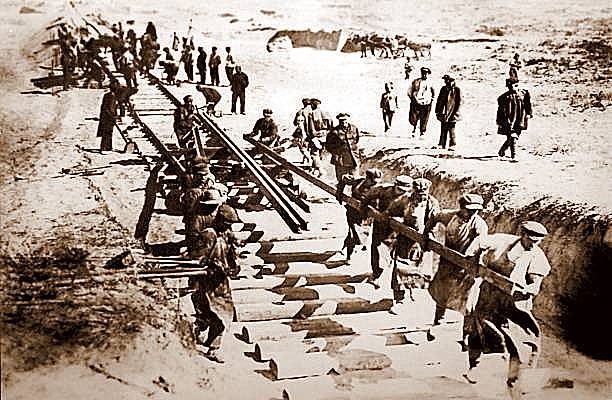
In the village of Kirkovsk, lost in the Siberian taiga beyond Irkutsk and Ulan-Ude, past Lake Baikal, Valeriano and his two companions had been hired at the nearby work camp. There they found other Friulians who had arrived at different times. In the little village, made up of a few wooden huts, the three friends would live in an empty hut belonging to Anataj, an old man of almost ninety but still vigorous, an unerring hunter of fur-bearing animals and a Muslim by faith. Anataj lived in a nearby hut with young Ajdym, whom he had rescued as a teenager when she was dying of hunger during a drought that had struck parts of eastern Russia. The old Kyrgyz owned, and guarded as a treasure, a large shell from the ocean, which visitors to his home would hold to their ear to hear the sound of the sea or, for those who could perceive it, the sound of their own thoughts. When the strangers arrived, young Ajdym, quite naturally, would take into her bed at night, in turn, whoever asked her for a little human warmth, giving herself with passion, as De André sang in Bocca di rosa. She felt the need to soften in some way the distance of those men from their homes and families. She could do so because she was barren, as a result of the hardships she had suffered as a child. The village women were very fond of her. The youngest of the Friulians, twenty-year-old Marco, a friend of Valeriano’s, had stayed one evening at Ajdym’s house at Valeriano’s urging, and she had tenderly introduced him to love. Valeriano respected Ajdym, and she him, but he never took advantage of her generosity. Still, he felt something changing in his life: “As the end of the work drew near, I too could breathe again, because soon I would be boarding the train with my companions to go back. My task was nearly over. I had led my embryo of a people to the borders of the Promised Land, or within sight of the sea, […] but had we really come within sight of the sea?”
Just when everything seemed to be heading towards the end of the work on the line, the unexpected happened. A serious epidemic, long feared, broke out in the camp, probably typhoid fever. Valeriano was the first to fall gravely ill. They wrapped him in two blankets and laid him on the cart to take him to the village. They took him straight to Ajdym’s house. Nobody knows who made that decision. Everything seemed to flow spontaneously and inevitably. Anataj’s room had become free after the old man, by now blind and feeling death near, got up one morning before everyone else and walked off into the taiga in the depths of winter. His body was never found. Valeriano, cared for by Ajdym and by Falalej, a blind boy who had gone to live with her after his relatives left the village and abandoned him, was laid in Anataj’s bed. There followed days in which Valeriano’s mind wandered with the high fever. Now and then he emerged from the torpor and darkness of sleep and sensed the young woman trying to slip some food into his mouth. Days and days went by like this. Only one thing was constant: Valeriano could feel Ajdym’s presence at his bedside, as if reached “by gusts of diffuse sweetness, with something solemn about it”. One day, as he was so ill, the doctor was called. “He won’t come in time,” Valeriano whispered. “Why?” Ajdym asked him. “Because,” the Friulian muttered, “in Russia things always arrive late, when they are no longer any use.”
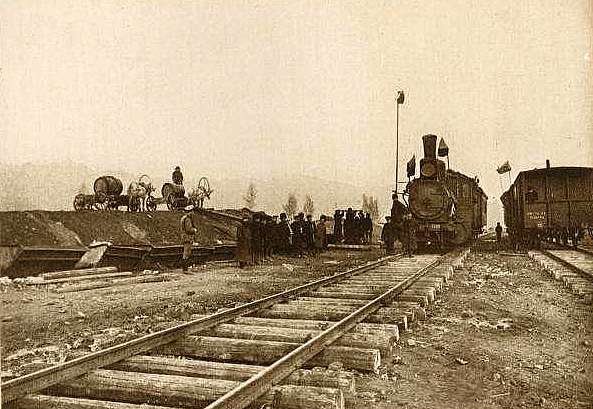
One evening, with a high fever and his head fit to burst, Valeriano sensed that Ajdym was close by. Instinctively he took her hand, as a way of saying thank you. He whispered: “How cool you are,” feeling the difference in the warmth of her body. Ajdym stood up, undressed and slipped into the bed beside Valeriano. He asked her: “Ajdym, what are you doing?” She laughed and murmured: “I think you’re better. Much better than in the last few days.” And so Valeriano began to recover.
“It seemed to me that Ajdym and I were like two people who had spent years digging a tunnel through the rock from opposite sides, like the workers on the great curve of Baikal, and had met at the end of the dig.”
At this point, dear Luigi, what would you have decided in Valeriano’s place at the end of the work on the Trans-Siberian? Don’t answer: I’ll tell you next time.
Article by Giancarlo Ganzerla for GN Magazine (November 2026).
Read more from GN – November 2026
-
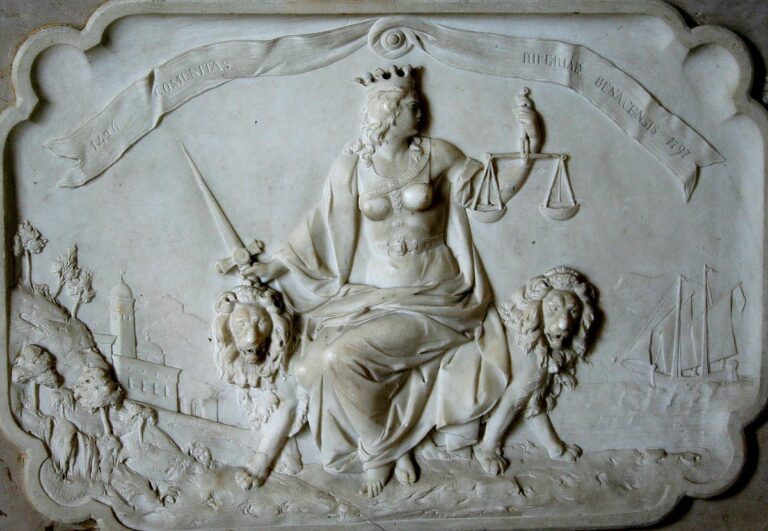
Magnifica Patria di Riviera: Six Centuries Since Lake Garda Turned to Venice
A look at the latest cultural events organised by the Municipality of Salò to mark the sixth centenary of the Magnifica Patria’s dedication to the Republic of Venice on 13 May 1426 On 3 October, the Sala dei Provveditori in Salò‘s town hall hosted the most significant of the fifteen or so conferences planned for […]
-
Chrysanthemum: November’s Flower for All Saints
This month I want to talk about a plant you can find everywhere at this time of year, and one tied to a very particular occasion: the chrysanthemum, the flower traditionally brought to our departed loved ones on All Saints’ Day. It is a hardy plant, and it is always in bloom at this point […]
-
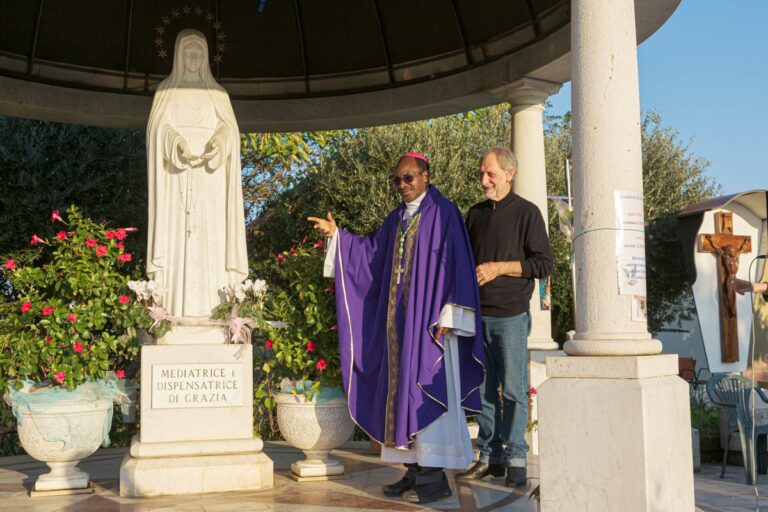
Madonna di San Polo: the 2021 Apparition and Bishop Sayaogo’s Testimony
The apparition of 22 May 2021 to three children The story of the Madonna di San Polo in Lonato del Garda continues. Luigi always wished to become known only after his death, and wanted the place itself to become known through what others told about it. That wish was granted on 22 May 2021, when […]
-
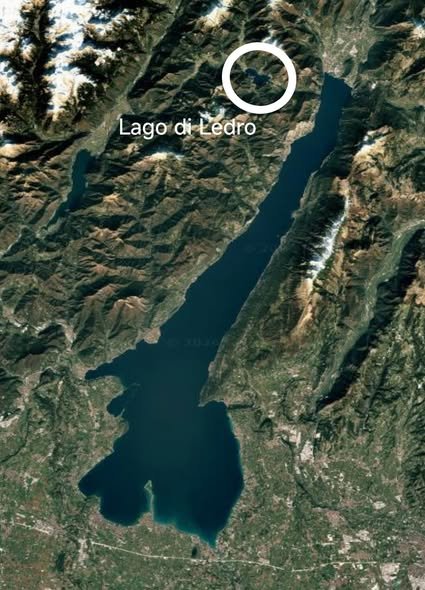
Lake Ledro and Lake Garda: the Hidden Link Between Peschiera and Molina
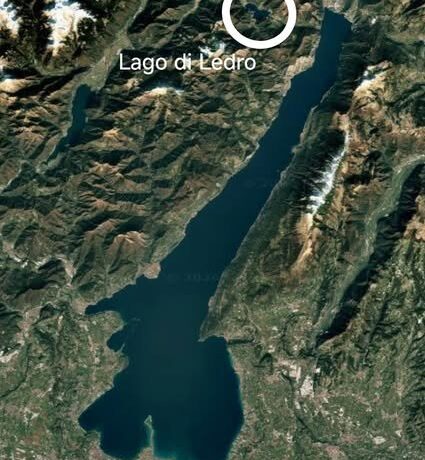
Looking at the two maps that accompany this article, Lake Garda and Lake Ledro seem like two separate worlds, divided by a wall of rock and a drop of some six hundred metres. And yet their waters hide connections that are as unusual as they are fascinating. Lake Ledro is the source of the Ponale […]
-
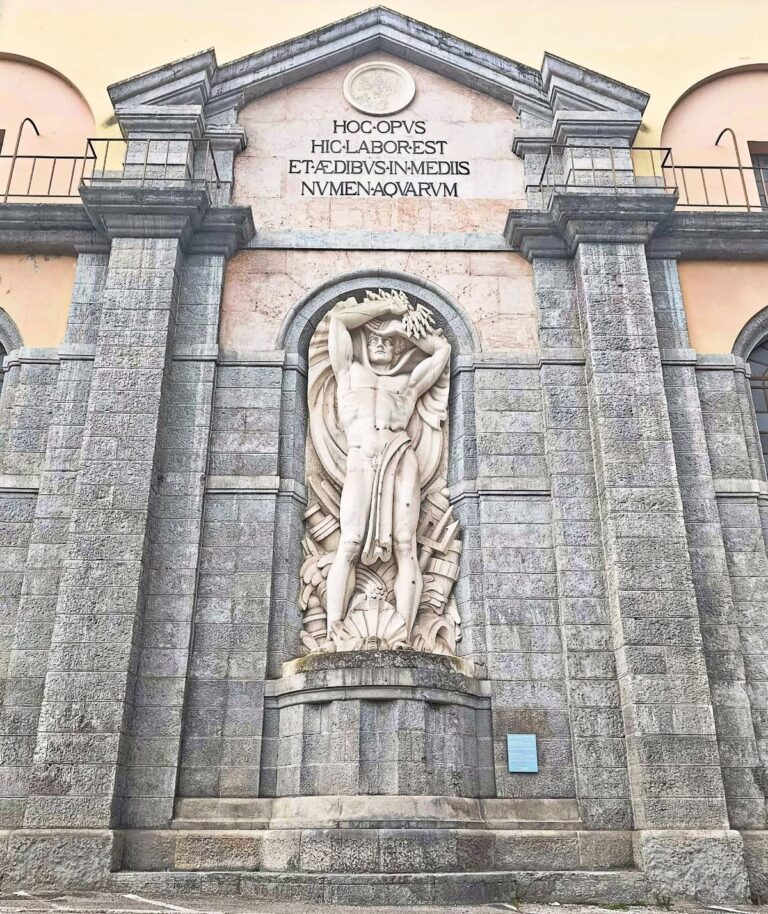
Ponale Waterfall: Lessons for Tourism on Lake Garda Today
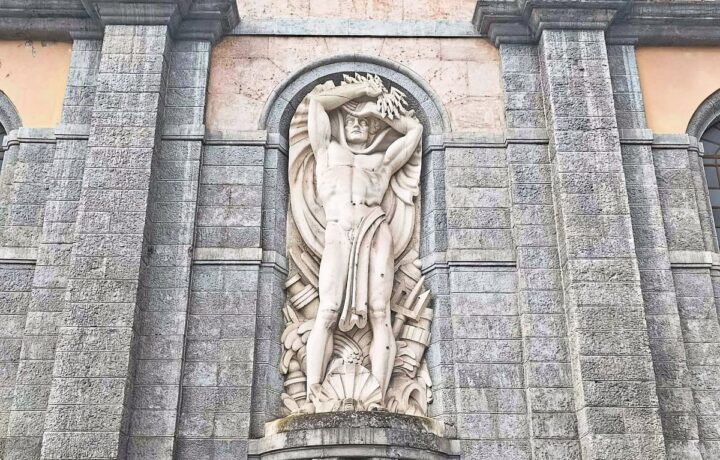
Give yourself a few minutes to read this analysis. It is very relevant to Lake Garda, and it applies just as well to any other area that lives largely on tourism. As is my habit, I will start with a piece of history. It is the late 1920s. The Ponale waterfall, until then roaring and […]
-
Goethe and Music: the Poet as Singer-Songwriter
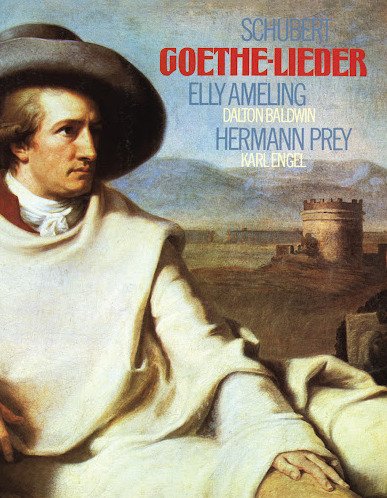
Calling Goethe a “singer-songwriter” is certainly a bold move. But if we think of Italian cantautori such as Franco Battiato, Fabrizio De André, Francesco Guccini and Roberto Vecchioni, to name just a few who wrote true poetry set to music, we may dare to call the German poet par excellence a “poet-songwriter”. The music, of […]