After the fine exhibitions that have already marked the 500th anniversary of Palazzo Te in Mantua, all devoted to metamorphosis, the closing show opened in recent weeks: Inventare la natura. Leonardo, Arcimboldo, Caravaggio (Inventing Nature), which runs until 10 January 2027.
The journey moves on from myth to a vision of the Renaissance bound up with science and with nature, itself in constant transformation, to tell the story of the relationship between the natural world, artistic production and technology at the Mantuan court.
Curators B. Furlotti and G. Rebecchini take us from attention to Nature to the desire to re-create it, in a surprising reflection on the dialogue between artists and the natural world. Nature that, from an instrument of divine will, becomes a destructive force; from a focus of scientific interest, it turns into an object of curiosity and a source of entertainment for the court, as artists set out to imitate it and recreate it.
“…a representation of nature as ‘other’ than the human, marvellous yet conquerable, striding towards modernity” (S. Baia Curioni, director).
The exhibition unfolds through the monumental rooms decorated by Giulio Romano and is divided into seven thematic sections: Create, Destroy, Surprise, Know, Reproduce, Astonish and Animate.
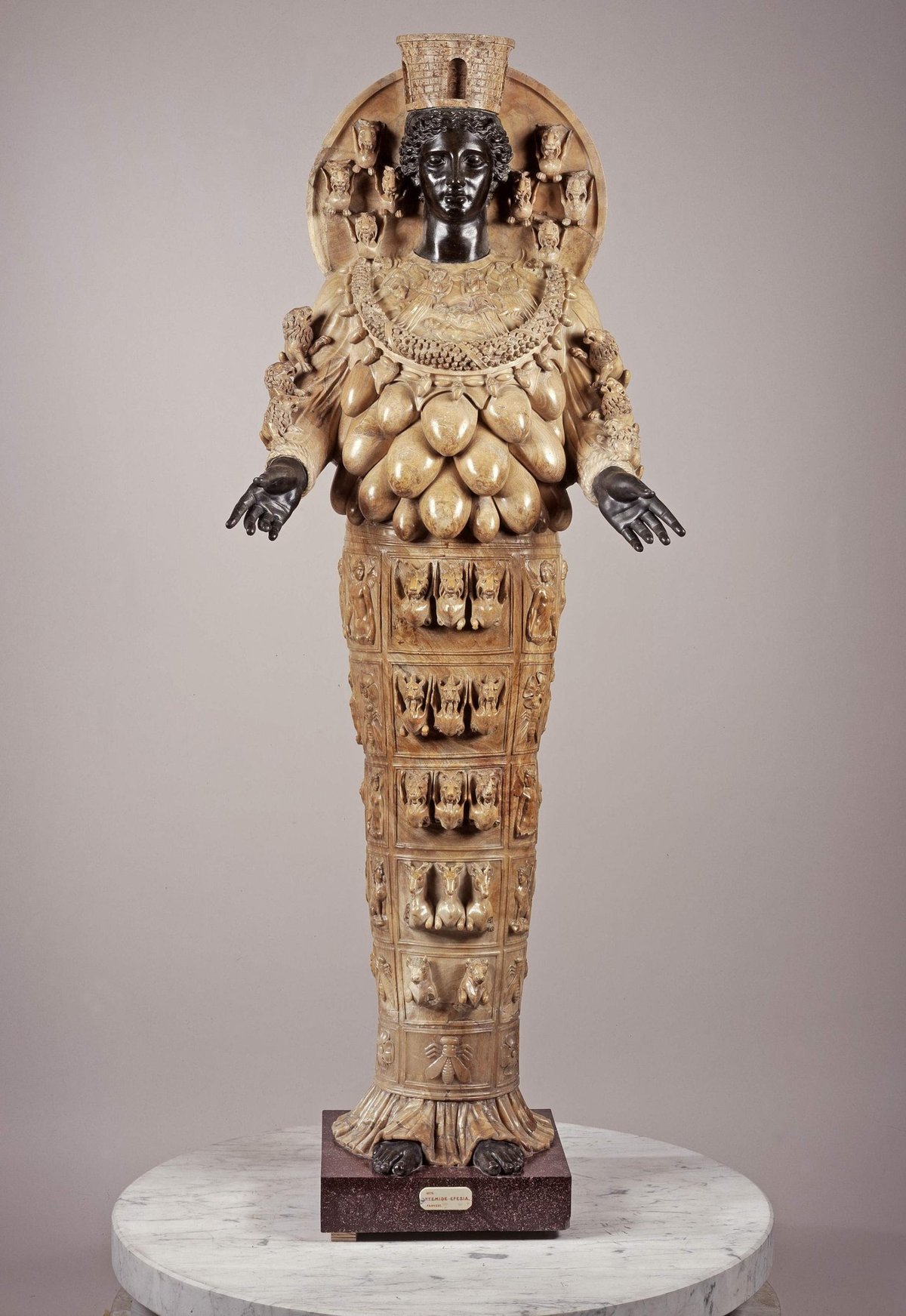
1. CREATE | Camera degli Stucchi: works that celebrate the generative power of nature, from the goddess Nature in the palace frescoes to the effigy of Diana of Ephesus in alabaster and bronze (from the National Archaeological Museum of Naples), a many-breasted image of motherhood, to the sixteenth-century version by N. Tribolo for the garden of the Palace of Fontainebleau, and the large drawing by Primaticcio, Scenes from the Story of Proserpina with Herms of Priapus, Ceres, Cybele and Bacchus (from the Louvre). In the display case are Ch. Löhr’s Drei Quader and Bogenform und kleine Erhebung (donated by the artist to the FAI – Villa Panza), contemporary mini-creations in precious metal, almost like origami.
2. DESTROY | Camera degli Imperatori and Camera dei Giganti: here we see the fearsome face of catastrophe, with Storm and Landslide, two drawings by Leonardo da Vinci. Opposite are The Flood of the Colmeda by J. Bassano (from Santa Maria degli Angeli in Feltre), sketches in stucco and terracotta by N. Tribolo and Giambologna, and the extraordinary tapestry woven from a cartoon by Raphael’s workshop, Saint Paul in Prison (Vatican Museums), in which the earthquake is imagined as a giant shaking the earth.
The route leads on to the Camera dei Giganti, where the explosive force of the Titans convulses the earth and Jupiter overwhelms them.
3. SURPRISE | Camerino delle Grottesche: visitors relive the evocative atmosphere of the grottoes designed to amuse Renaissance courts, with three magnificent small bronzes, Owl and Pheasant, attributed to B. Ammannati, and Eagle, attributed to Giambologna (from the Bargello).
4. KNOW | Camera dei Candelabri: the descriptive, scientific approach to nature comes alive through naturalist collecting, with meticulous drawings of plants and animals from the remarkable Aldrovandi collection (Palazzo Poggi, Bologna). Beside the coloured drawings hang powerful canvases: the lively scene of The Fishmonger by V. Campi (from the Brera), the splendid Still Life by the Master of Hartford (Galleria Borghese), the Idealised Portrait of a Botanist by B. Passerotti (Galleria Spada) and the volume Historia naturale by Ferrante Imperato (Biblioteca Teresiana, Mantua).
5. REPRODUCE | Camera delle Cariatidi: this room presents bronzes by Andrea Riccio (Museo Correr, Venice), ceramics from the circle of Bernard Palissy (Louvre), and silver casts of lizards, crabs and plants attributed to Wenzel Jamnitzer. A rare portrait of Wenzel by Nicolas de Neufchatel (Musée d’Art et d’Histoire, Geneva) shows him with his spectacular selection of objects. Proof that, in the sixteenth century, art and the study of nature influenced each other.
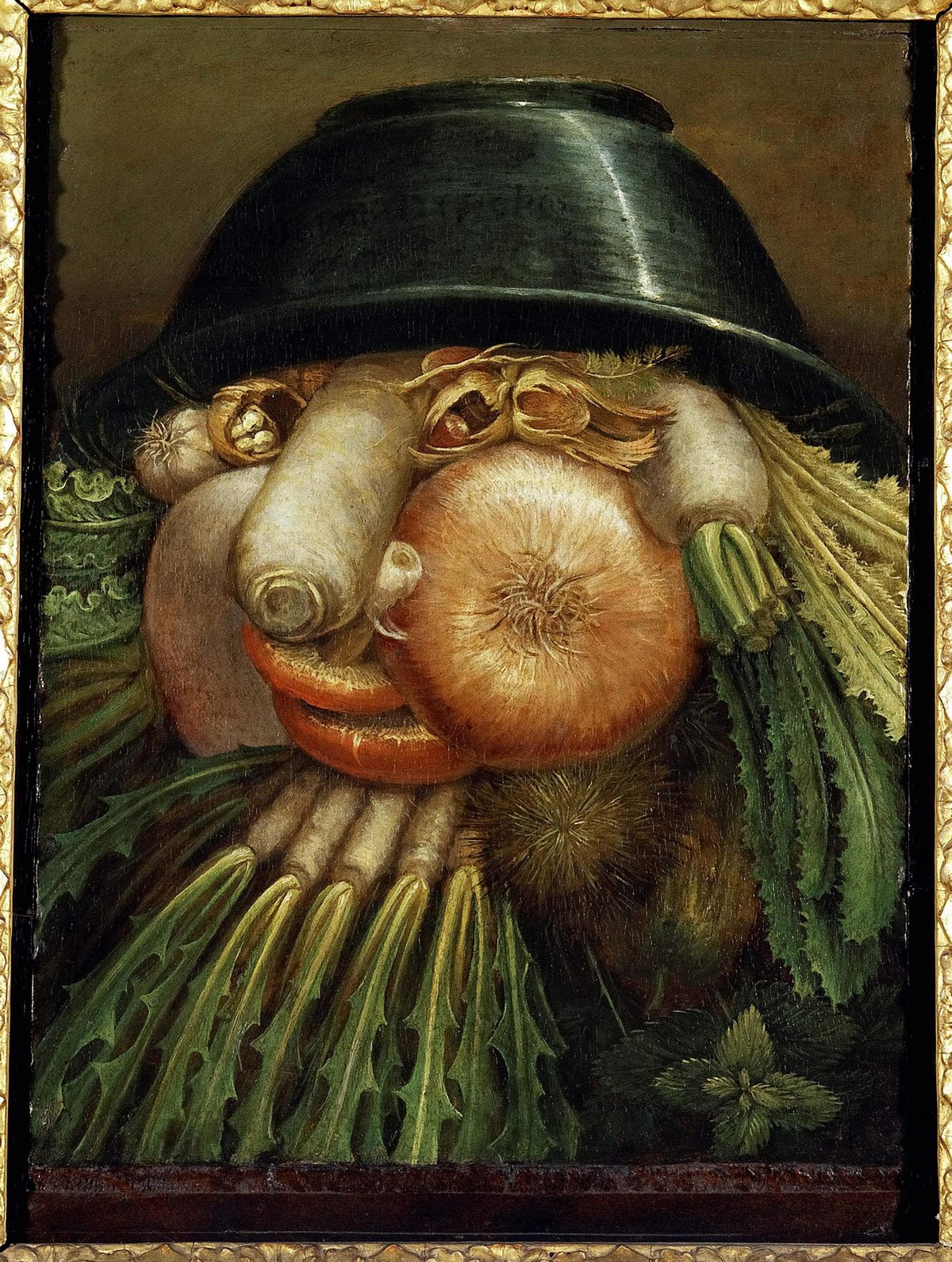
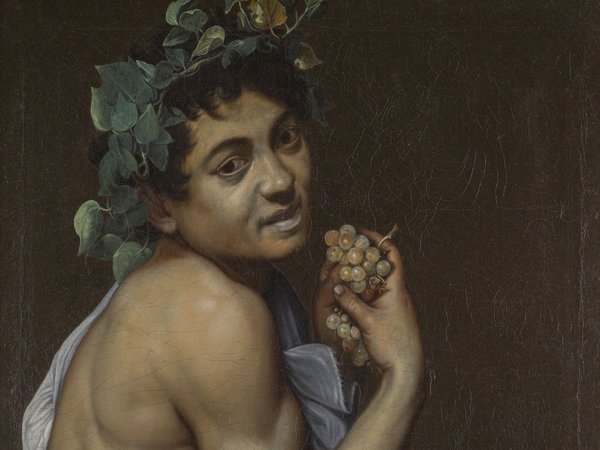
6. ASTONISH | Sala dei Capitani: here the masterpieces stand out, such as the Self-Portrait as Bacchus (Sick Bacchus) by a melancholy Caravaggio (Galleria Borghese) and, beside it, the paintings by Giuseppe Arcimboldo, The Vegetable Gardener (Museo Ala Ponzone, Cremona) and The Cook (Nationalmuseum, Stockholm), mirror-image visions of baskets of vegetables that turn into portraits. Next comes a spectacular “room of wonders”, the Wunderkammer, a Renaissance and Baroque collection of precious objects made in imitation of nature from natural materials: ostrich eggs, coconuts, nautilus shells, narwhal tusks.
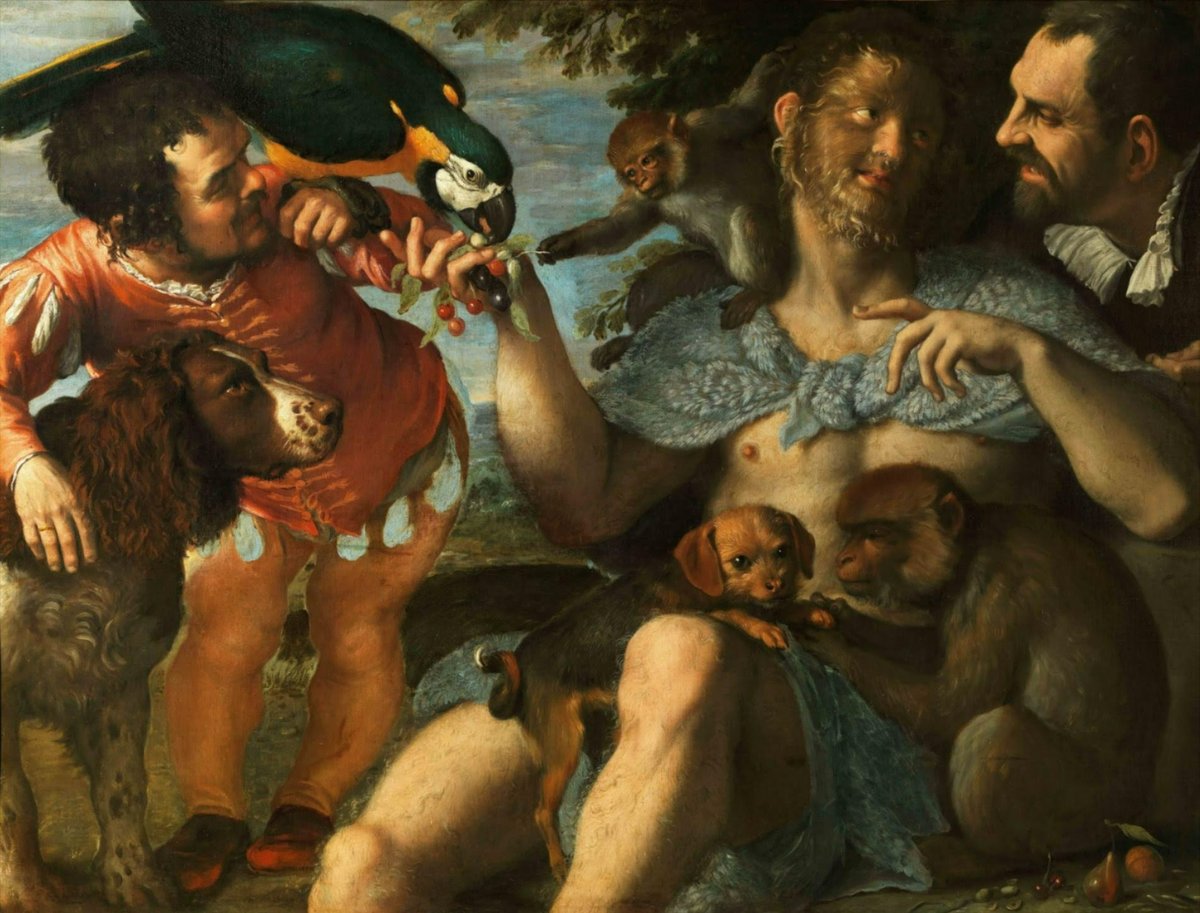
On the wall hang works by T. Ghisi, Blue-and-Yellow Macaw (Biblioteca Universitaria di Bologna), and by Agostino Carracci, Triple Portrait of Hairy Harry, Mad Peter and Tiny Amon (Museo di Capodimonte), together with the extraordinary drawing Study of a Monkey (British Museum) by Annibale Carracci, all bearing witness to the patrons’ fascination with exotic animals and eccentric figures.
7. ANIMATE | Camera delle Vittorie: the route ends here, with automata and complex mechanisms built to imitate the sounds and movements of nature: the hunting trophy Diana the Huntress by J. Friess (Pinacoteca Ambrosiana) and the Clock with Tower Automaton made for Ferrante Gonzaga of Castiglione by N. Schmidt the Elder, alongside German pieces: a Table Globe Clock with a Turk Automaton, an Automaton of a Bear with a Turkish Tamer and an Ostrich Automaton. These automata, made for the courts of Europe and, like the larger ones, forerunners of modern robotics, were true jewels meant to adorn tables and furniture.
“With Inventare la natura. Leonardo, Arcimboldo, Caravaggio, Palazzo Te confirms itself as a dynamic space for research and cultural production… it is not merely a setting but an integral part of the story… it amplifies meanings and brings them into relation. Palazzo Te thus confirms itself not only as the guardian of an extraordinary heritage, but as a place of research and cultural production…” (Mattia Palazzi, Mayor of Mantua).
To accompany the exhibition, the Fondazione Palazzo Te is running a programme of educational activities, talks and performances until 10 January 2027, renewing its partnerships with local cultural associations and other organisations that celebrate the botanical world and promote knowledge of it.
In the same spirit, the Foundation works with major institutions in the city and the surrounding area, from the Palazzo Ducale in Mantua to Palazzo d’Arco and the Library, so these stories will continue in the coming issues of GN.
(to be continued)
Article by Mariateresa Martini for GN Magazine (November 2026).
Read more from GN – November 2026
-
Magnifica Patria di Riviera: Six Centuries Since Lake Garda Turned to Venice
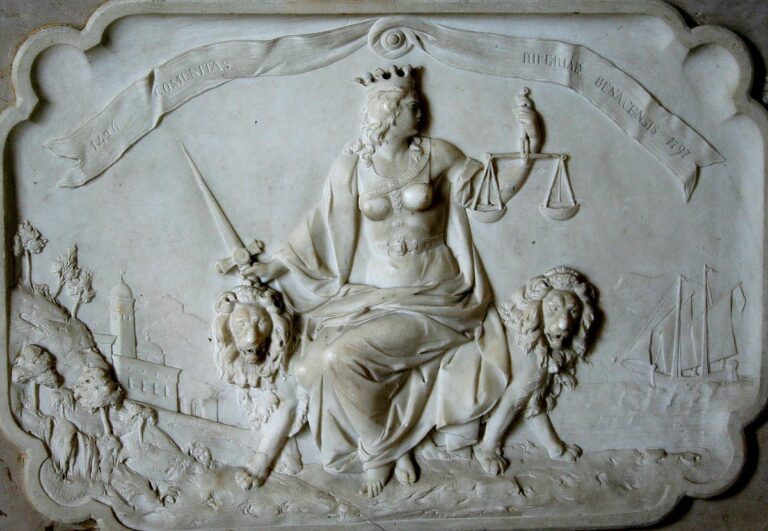
A look at the latest cultural events organised by the Municipality of Salò to mark the sixth centenary of the Magnifica Patria’s dedication to the Republic of Venice on 13 May 1426 On 3 October, the Sala dei Provveditori in Salò‘s town hall hosted the most significant of the fifteen or so conferences planned for […]
-
Chrysanthemum: November’s Flower for All Saints
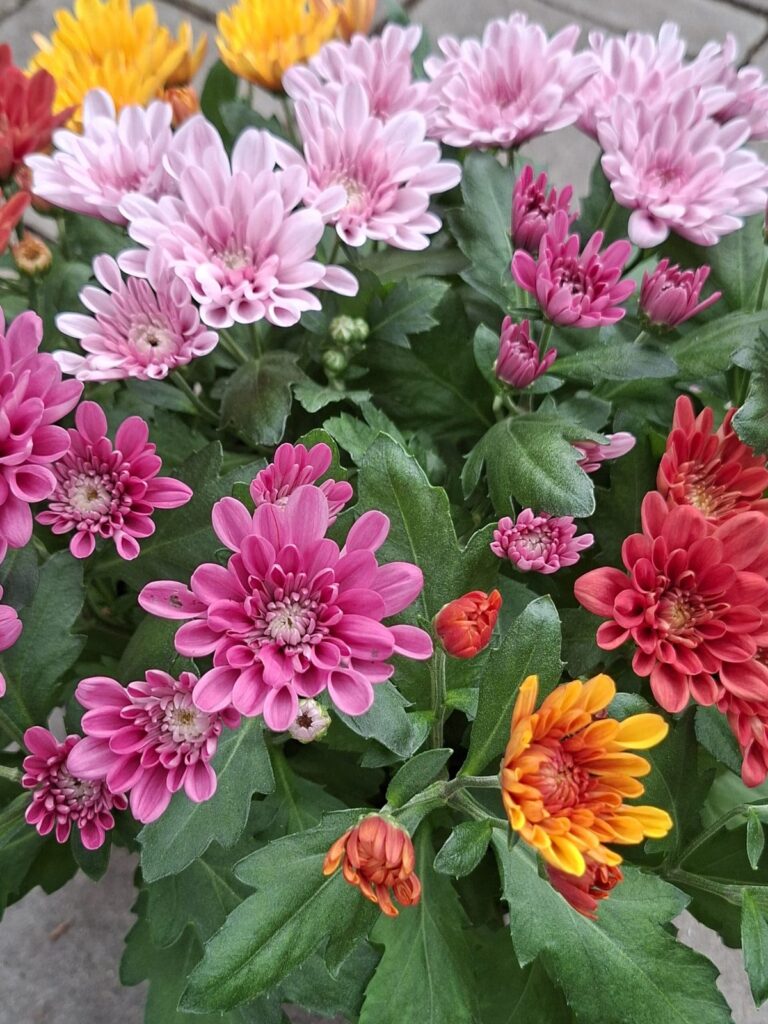
This month I want to talk about a plant you can find everywhere at this time of year, and one tied to a very particular occasion: the chrysanthemum, the flower traditionally brought to our departed loved ones on All Saints’ Day. It is a hardy plant, and it is always in bloom at this point […]
-
Madonna di San Polo: the 2021 Apparition and Bishop Sayaogo’s Testimony
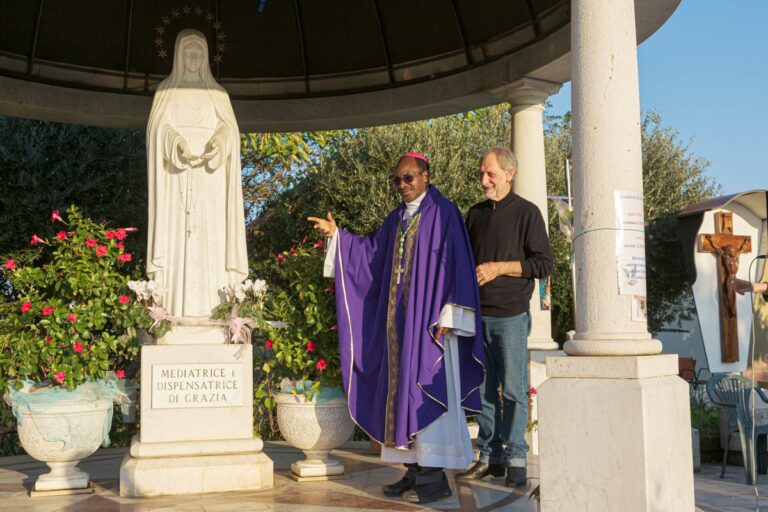
The apparition of 22 May 2021 to three children The story of the Madonna di San Polo in Lonato del Garda continues. Luigi always wished to become known only after his death, and wanted the place itself to become known through what others told about it. That wish was granted on 22 May 2021, when […]
-
Lake Ledro and Lake Garda: the Hidden Link Between Peschiera and Molina
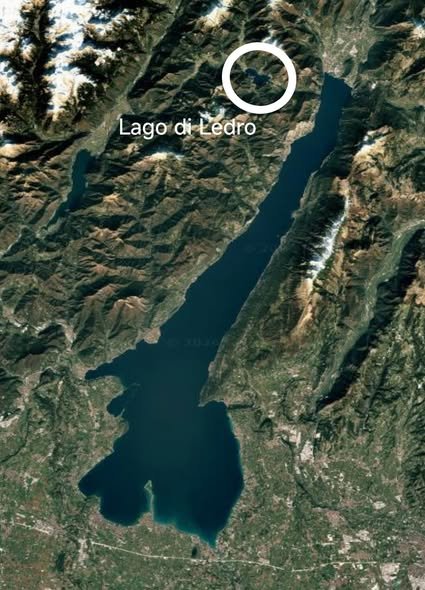
Looking at the two maps that accompany this article, Lake Garda and Lake Ledro seem like two separate worlds, divided by a wall of rock and a drop of some six hundred metres. And yet their waters hide connections that are as unusual as they are fascinating. Lake Ledro is the source of the Ponale […]
-
Ponale Waterfall: Lessons for Tourism on Lake Garda Today
Give yourself a few minutes to read this analysis. It is very relevant to Lake Garda, and it applies just as well to any other area that lives largely on tourism. As is my habit, I will start with a piece of history. It is the late 1920s. The Ponale waterfall, until then roaring and […]
-
Trans-Siberian Railway: the Friulian Workers’ Dilemma at the End of the Line
You see, Luigi, as work on each section of the railway came to an end, with the rails laid and the first test train arriving, all the free workers, that is, those who were not prisoners or otherwise employed by the Russian state, had to decide where to go on with their lives. For most […]