A lifetime of study stays in Lonato del Garda. The children of Lino Lucchini (Caprino Veronese, 1926 – Lonato del Garda, 2025), the local historian who died in August 2025, have entrusted his printed publications and his manuscripts to the town’s Civic Library. The Lucchini Donation was officially announced on Saturday 19 September in the library’s Hall of Mirrors, at the presentation of the monograph Lino Lucchini. Omaggio allo studioso lonatese (A Tribute to the Lonato Scholar), coordinated by the Friends of the Ugo Da Como Foundation in the series I Quaderni della Fondazione.
There is no topic in Lonato’s history that Lucchini left unexplored: archaeological research, the old routes of the Roman roads, the monuments, local government and the people who lived in the town over the centuries.
A career as a town clerk
Born in Caprino Veronese on 23 August 1926, he moved to Lonato with his family: his father Pasquale worked there as a municipal clerk. With the help of the parish priest, Monsignor Silvio Ogheri, he was able to attend the teacher training school in Verona. Meanwhile he worked in a boarding school as a prefect. During the war, still very young, he was a municipal clerk and a courier for the Resistance, a commitment that in 1985 earned him the Diploma of Honour for Freedom Fighters of Italy, signed by President Pertini.
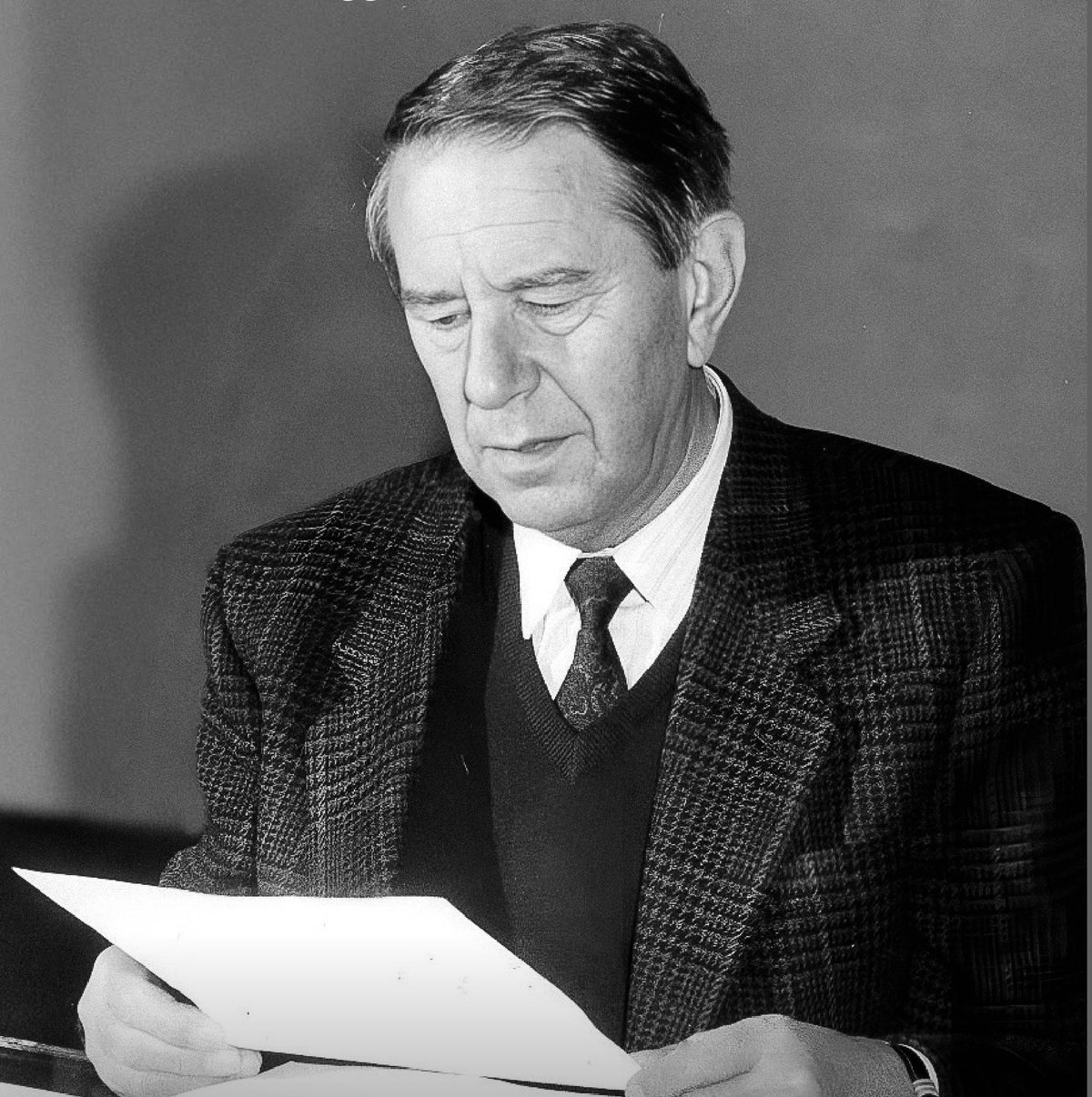
After qualifying as a teacher, in 1948 he passed the exam in Rome to become a municipal secretary. His career took him to many towns, from Valvestino and Limone, where he met Livia Magrograssi, whom he married in 1953, to Rasura, Livemmo, Remedello and Gargnano. In 1968 he returned to Lonato and settled there with his family; he went on to serve in Barrafranca, Lumezzane and Rovigo and in the provincial secretariats of Mantua and Ferrara, rising to provincial secretary. The President of the Republic made him a Commendatore.
Study after retirement
Never having earned a university degree was a regret he always carried with him: when he retired in 1991, he enrolled at the Catholic University in Brescia to study education, history and Latin. His research, built on meticulous work in municipal and parish archives, appeared in journals such as Civiltà Bresciana and Brixia Sacra. Lonato awarded him a plaque in 1996 and, in 2016, the Giovannino d’oro of the Feast of San Giovanni. In his last years, failing eyesight slowed his work, but he kept advising students and researchers. He died in Lonato on 10 August 2025.
In these pages since 2011
His name appeared in at least 163 issues of GN, from May 2011 to September 2025. His first article, L’antica pieve di Lonato del Garda (The Old Parish Church of Lonato del Garda), came out in issue 29; it was followed by the Polada culture, the Roman inscription at Porta Corlo, Esenta, Drugolo castle, the plague of 1630, the walls and the Torre Maestra, portraits of famous people from Lonato, from Paolo Soratini to Vittorio Barzoni, and long series such as I misteri di Lonato (The Mysteries of Lonato), in eleven parts, and Lonato: mansio ad Flexum, in nine. He often returned to Maguzzano: the abbey’s suppression under Napoleon, the altar of the abbey church, Gabriele d’Annunzio’s visit to the monks, the last friars.

In his last months it was his son Aldo who gathered and updated his articles and pictures. The last one, on the Romanesque church of Saints Cyprian and Justina, came out in two parts: the second in September 2025, in the issue that marked his death.
Cataloguing the collection
The collection was catalogued by Roberta Valbusa and Stefano Lusardi of the Ugo Da Como Foundation, who completed the work on 21 July. It produced two lists, one of the modern printed works and one of the manuscripts, which show the interests the scholar pursued over the years. The manuscripts are not old documents: they are Lucchini’s notes and his photocopies of historical documents and of the literature on which he built his writings. For the Foundation it is “a fundamental collection for the history of Lonato, an important starting point for any future research”.
The lists will be used to arrange the future Lucchini Collection in the Civic Library at Palazzo Zambelli, under the care of the Municipality of Lonato del Garda.
A 1905 deed from Maguzzano
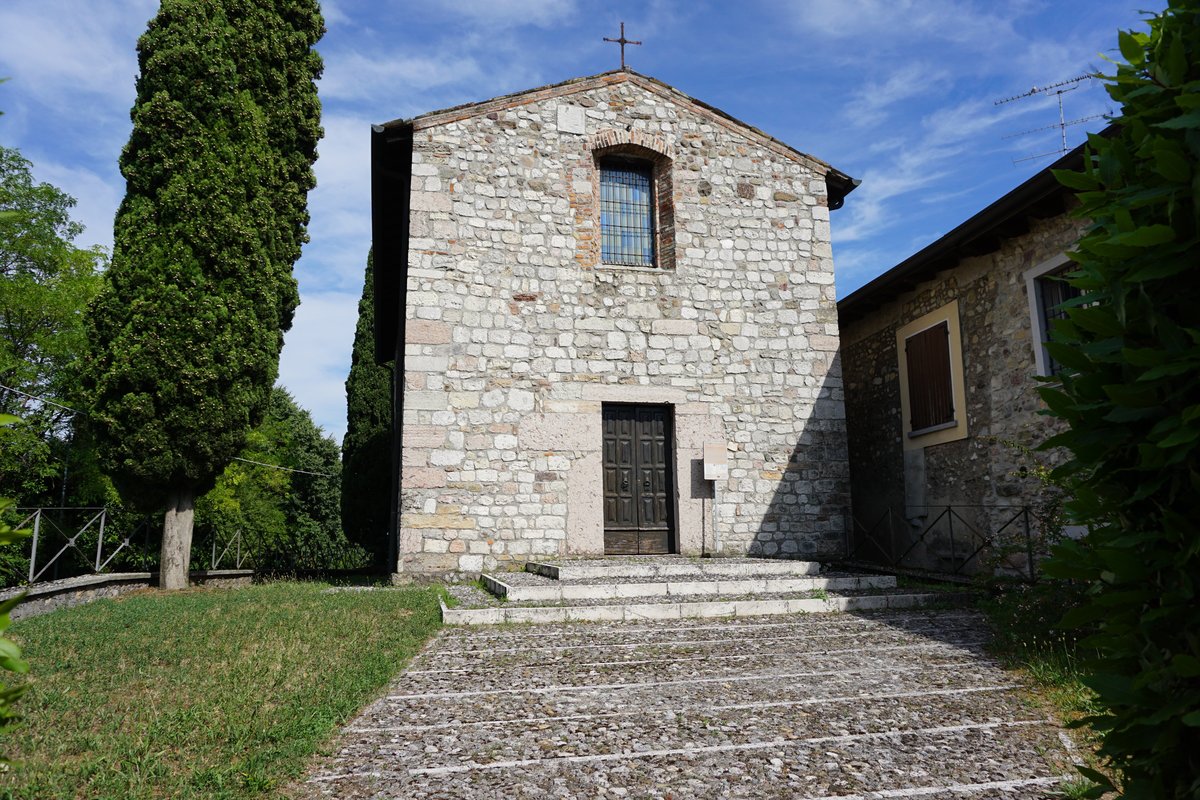
Maguzzano is also where the only period manuscript found among the papers comes from: a “certified copy of a deed of sale” dated 9 December 1905, concerning an exchange of properties, which Lucchini kept in his folders on the abbey. The Foundation suggests considering whether it should go to the Archive of Maguzzano Abbey.
The monograph
The book had already been supported by the previous town council, which handed over to Mayor Nicola Bianchi and councillor Silvia Razzi. For the Municipality, it grew out of its collaboration with the Foundation and the Friends’ Association: “Added to this collaboration is the generosity of the Lucchini family, who chose to entrust the scholar’s working tools to the Civic Library, making them available to all those who wish to continue research into the history of our area”.
The monograph brings together contributions by Matteo Leali, Ivano Lorenzoni, Aldo Lucchini, Riccardo Pasqualin, Giancarlo Pionna, Davide Sigurtà and Giuseppe Spataro. For Loredana Rocca, president of the Friends’ Association, thanks to their continuity the Quaderni have become “a special means of cultural accumulation, varied and accurate in content, rigorous in presentation, that saves portions of local history and culture from possible oblivion”.
Article by the editorial team (Ugo Da Como Foundation page) for GN Magazine (November 2026).
Read more from GN – November 2026
-
Magnifica Patria di Riviera: Six Centuries Since Lake Garda Turned to Venice
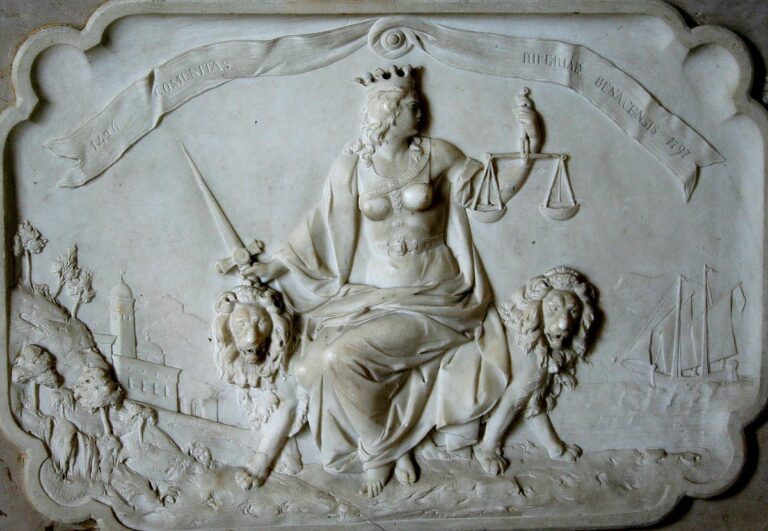
A look at the latest cultural events organised by the Municipality of Salò to mark the sixth centenary of the Magnifica Patria’s dedication to the Republic of Venice on 13 May 1426 On 3 October, the Sala dei Provveditori in Salò‘s town hall hosted the most significant of the fifteen or so conferences planned for […]
-
Chrysanthemum: November’s Flower for All Saints
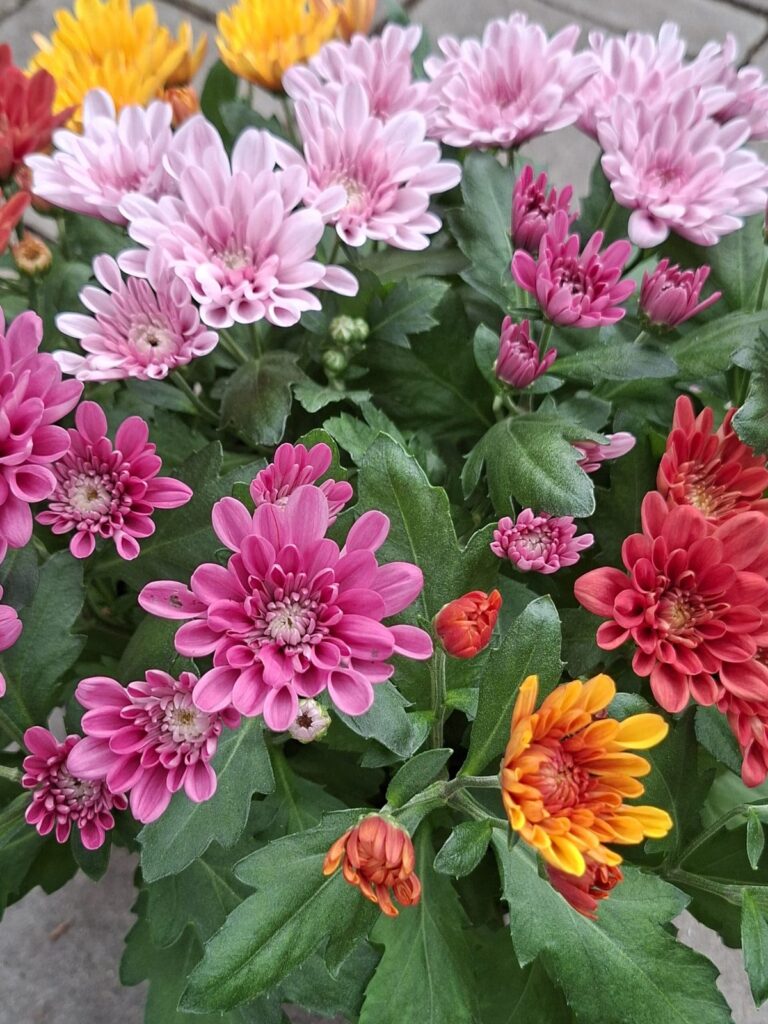
This month I want to talk about a plant you can find everywhere at this time of year, and one tied to a very particular occasion: the chrysanthemum, the flower traditionally brought to our departed loved ones on All Saints’ Day. It is a hardy plant, and it is always in bloom at this point […]
-
Madonna di San Polo: the 2021 Apparition and Bishop Sayaogo’s Testimony
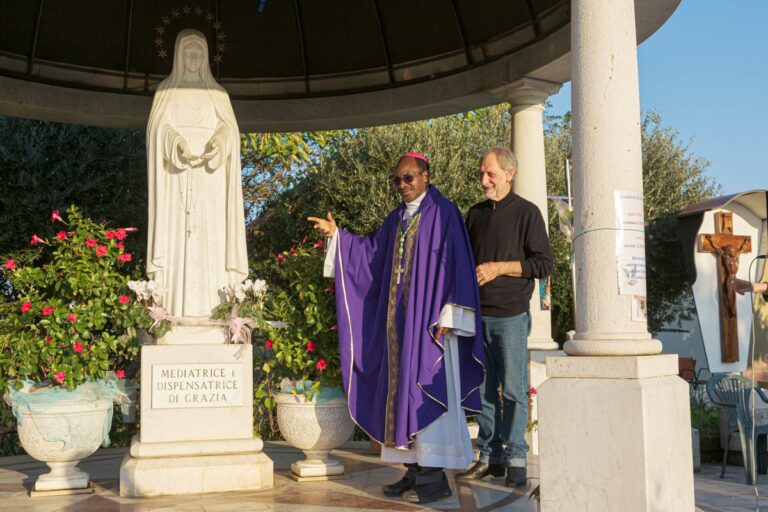
The apparition of 22 May 2021 to three children The story of the Madonna di San Polo in Lonato del Garda continues. Luigi always wished to become known only after his death, and wanted the place itself to become known through what others told about it. That wish was granted on 22 May 2021, when […]
-
Lake Ledro and Lake Garda: the Hidden Link Between Peschiera and Molina
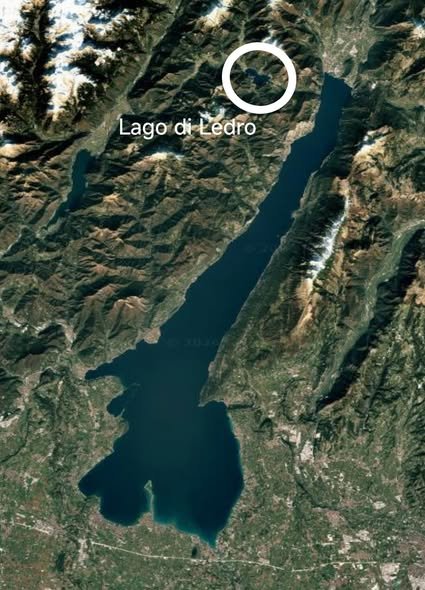
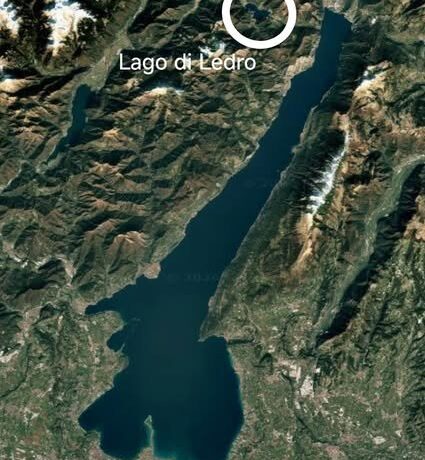
Looking at the two maps that accompany this article, Lake Garda and Lake Ledro seem like two separate worlds, divided by a wall of rock and a drop of some six hundred metres. And yet their waters hide connections that are as unusual as they are fascinating. Lake Ledro is the source of the Ponale […]
-
Ponale Waterfall: Lessons for Tourism on Lake Garda Today
Give yourself a few minutes to read this analysis. It is very relevant to Lake Garda, and it applies just as well to any other area that lives largely on tourism. As is my habit, I will start with a piece of history. It is the late 1920s. The Ponale waterfall, until then roaring and […]
-
Trans-Siberian Railway: the Friulian Workers’ Dilemma at the End of the Line
You see, Luigi, as work on each section of the railway came to an end, with the rails laid and the first test train arriving, all the free workers, that is, those who were not prisoners or otherwise employed by the Russian state, had to decide where to go on with their lives. For most […]