A look at the latest cultural events organised by the Municipality of Salò to mark the sixth centenary of the Magnifica Patria’s dedication to the Republic of Venice on 13 May 1426
On 3 October, the Sala dei Provveditori in Salò‘s town hall hosted the most significant of the fifteen or so conferences planned for 2026 on the Magnifica Patria di Riviera. Alongside Salò, which led the initiative, the whole research project was backed by the municipalities of Desenzano, Toscolano Maderno, Idro, Sabbio Chiese and Calvagese, the Comunità Montana Parco Alto Garda Bresciano, the Comunità del Garda, the Ateneo di Salò and the museums of Salò, Toscolano Maderno and Manerba. The driving force behind it all was Giovanni Pelizzari, a full member of the Ateneo di Salò and, for the past few months, president of the “Aldo Moro” cultural cooperative, based in Salò. Pelizzari has written a series of studies on the Lake Garda area, rigorously grounded in the archives of Salò, of the surrounding territory and of the Serenissima, which have opened up perspectives that had long gone unexplored.
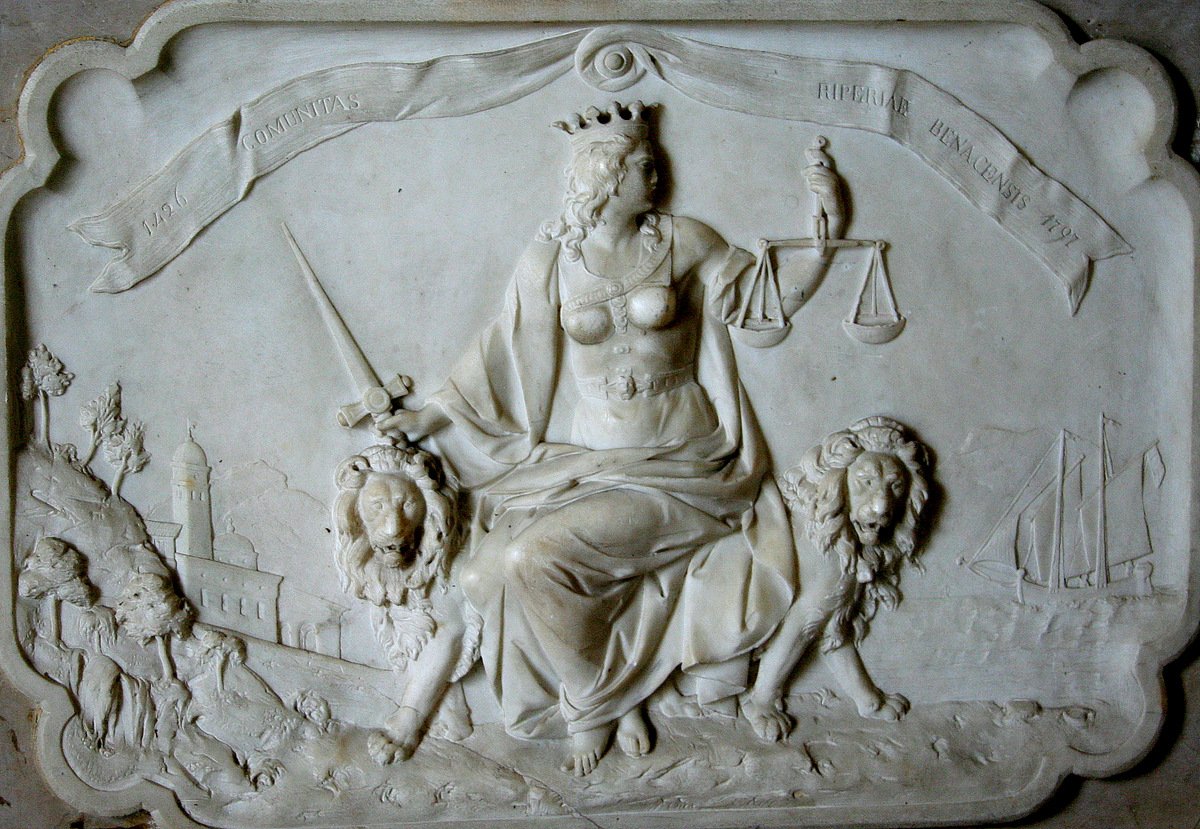
In short, the Magnifica Patria di Riviera, made up of 36 communities on the Brescian shore of Lake Garda and on the left bank of the Chiese river in the Valsabbia, could already be considered a small independent state in 1337, under the protection of the Republic of Venice. That independence was short-lived: in 1351 the territory was occupied by Milan, then under the lordship of the Visconti. Only in 1426, during a new war between Venice and the Duchy of Milan, did the area once again enter into a political and institutional relationship with the Serenissima. This time it was a genuine act of dedication by the Magnifica Patria to Venice, which guaranteed it political and administrative autonomy from Brescia, together with important economic and tax privileges that made it almost a free zone.
“The Riviera,” Pelizzari explains, “lay in a strategic position and acted as a hinge between the Veneto and the Lombard provinces beyond the Mincio. Its economy was essentially mercantile: think of paper production and trade in Toscolano, iron mining and working in the mountains of the Valsabbia, cloth and leather in the valleys, and the spinning of linen and thread in Salò. Not to mention Desenzano, home to one of the largest grain markets in the Po Valley. As for agriculture, rare and valuable crops flourished: the area produced olive oil and wine of excellent quality, while citrus fruit, which grew as far as the northernmost part of the lake, was sheltered in lemon houses that shaped the whole landscape.”
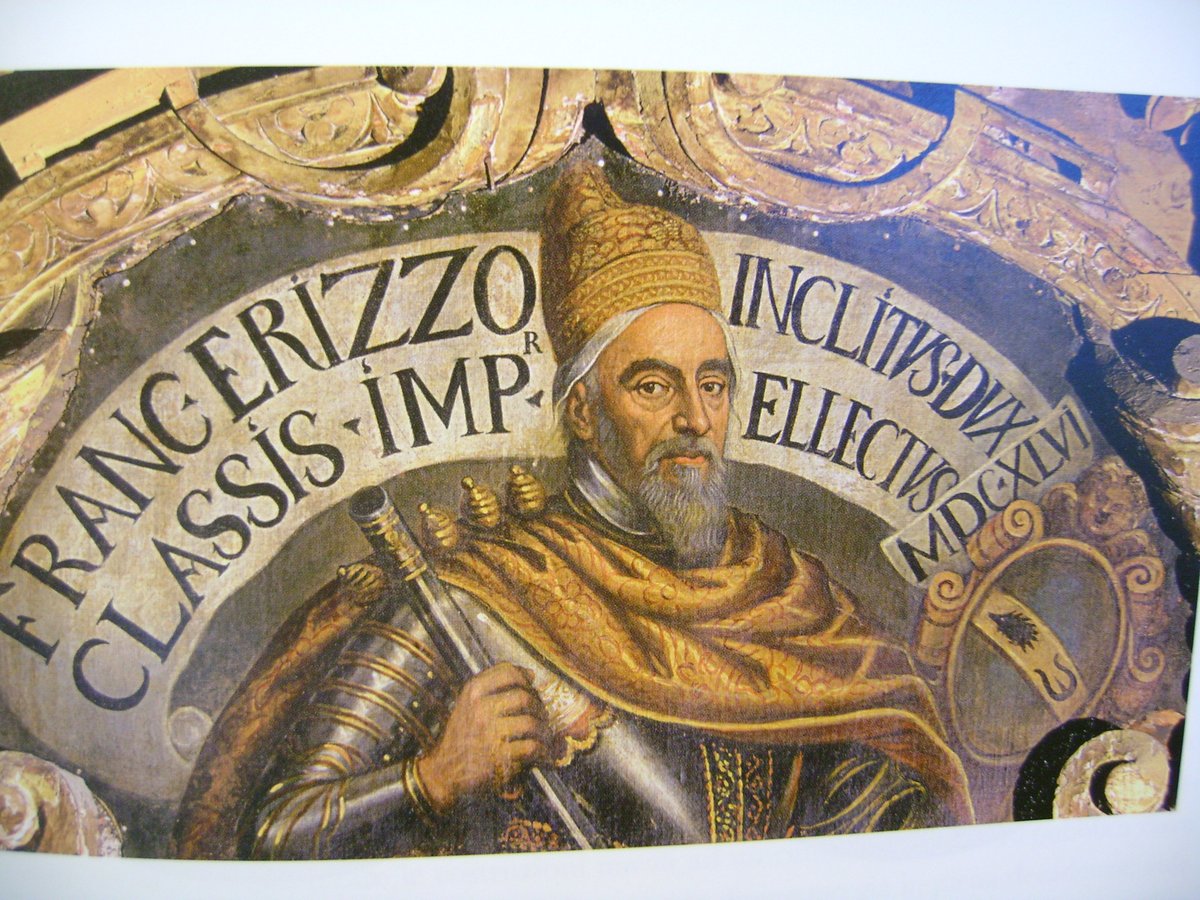
“Socially,” Pelizzari concludes, “unlike the other provinces of the Venetian state, which were governed by a small circle of members of the hereditary nobility, the Riviera was led by a middle class, and local government was marked by broad popular participation, much like that of the Swiss cantons. Prosperity was, on average, more widespread in the Riviera than elsewhere.”
The political and administrative history of the Riviera deserved to be reread with today’s tools and from several angles. The 3 October conference therefore brought in three universities, with professors Gian Maria Varanini (Verona), Enrico Valseriati (Padua) and Fabrizio Pagnoni (Milan), followed by their students, who have devoted two years of research to the subject. The work will be published in the conference proceedings.
Article by Pino Mongiello for GN Magazine (November 2026).
Read more from GN – November 2026
-
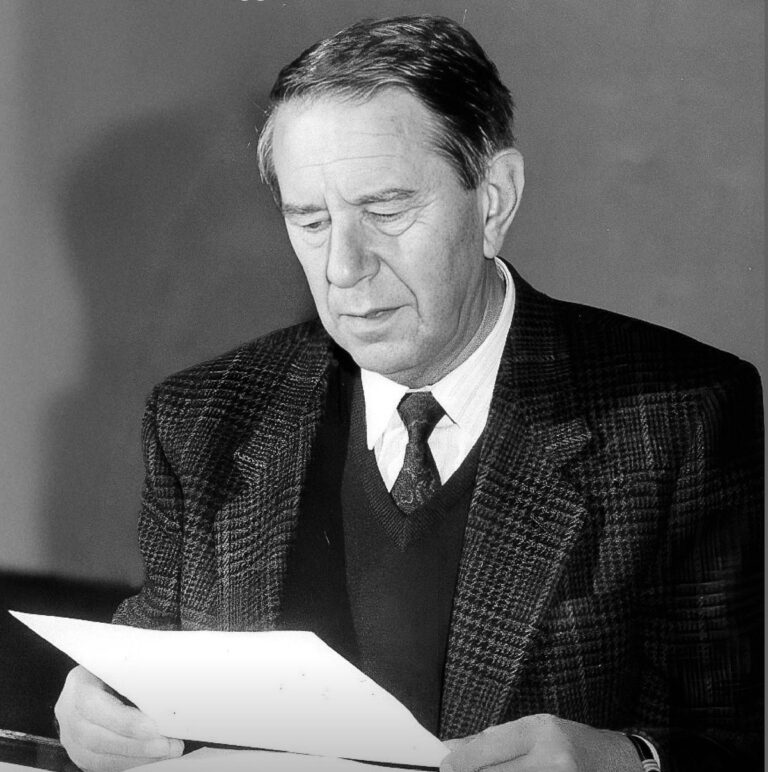
Lino Lucchini’s Papers Go to the Lonato Library
A lifetime of study stays in Lonato del Garda. The children of Lino Lucchini (Caprino Veronese, 1926 – Lonato del Garda, 2025), the local historian who died in August 2025, have entrusted his printed publications and his manuscripts to the town’s Civic Library. The Lucchini Donation was officially announced on Saturday 19 September in the […]
-
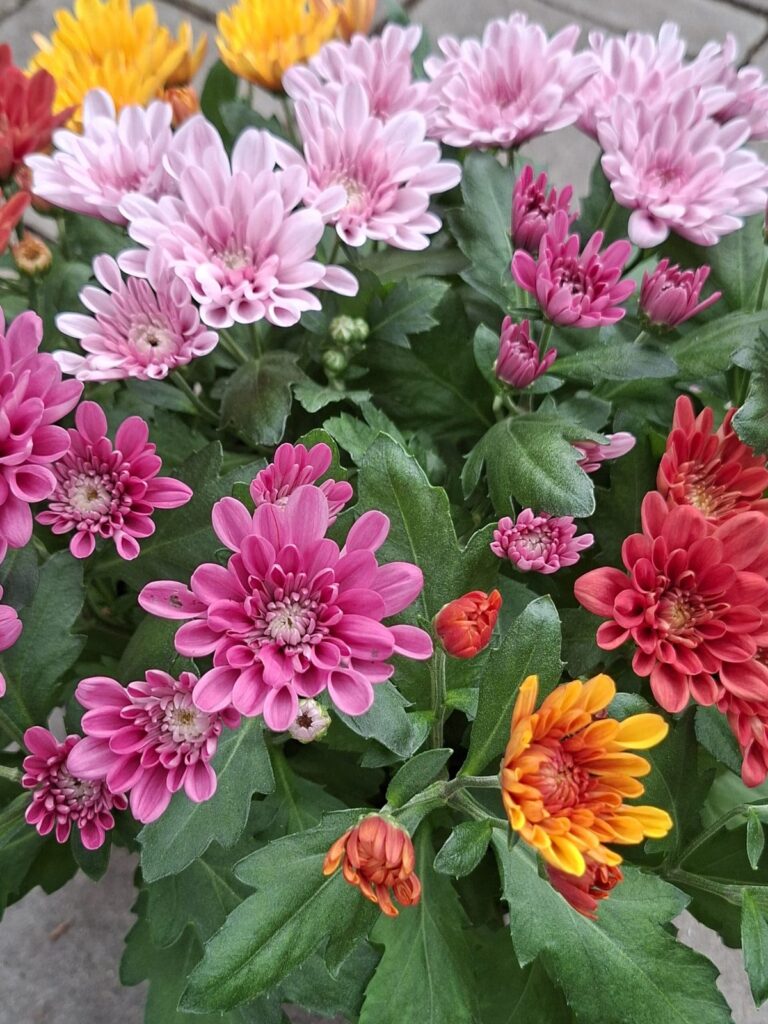
Chrysanthemum: November’s Flower for All Saints
This month I want to talk about a plant you can find everywhere at this time of year, and one tied to a very particular occasion: the chrysanthemum, the flower traditionally brought to our departed loved ones on All Saints’ Day. It is a hardy plant, and it is always in bloom at this point […]
-
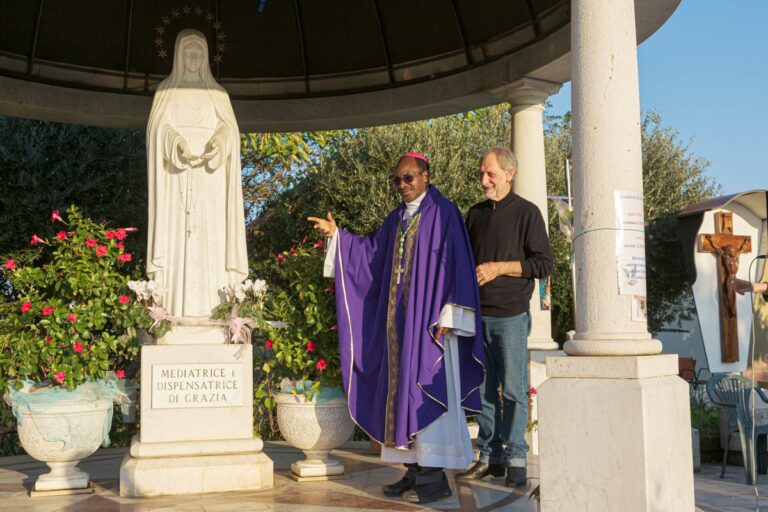
Madonna di San Polo: the 2021 Apparition and Bishop Sayaogo’s Testimony
The apparition of 22 May 2021 to three children The story of the Madonna di San Polo in Lonato del Garda continues. Luigi always wished to become known only after his death, and wanted the place itself to become known through what others told about it. That wish was granted on 22 May 2021, when […]
-
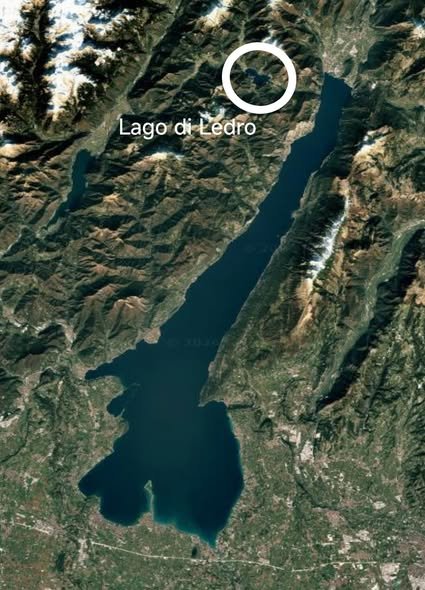
Lake Ledro and Lake Garda: the Hidden Link Between Peschiera and Molina
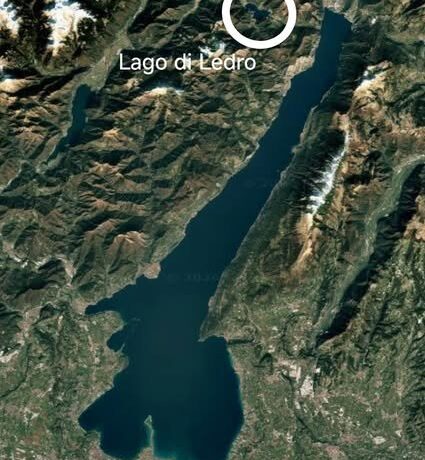
Looking at the two maps that accompany this article, Lake Garda and Lake Ledro seem like two separate worlds, divided by a wall of rock and a drop of some six hundred metres. And yet their waters hide connections that are as unusual as they are fascinating. Lake Ledro is the source of the Ponale […]
-
Ponale Waterfall: Lessons for Tourism on Lake Garda Today
Give yourself a few minutes to read this analysis. It is very relevant to Lake Garda, and it applies just as well to any other area that lives largely on tourism. As is my habit, I will start with a piece of history. It is the late 1920s. The Ponale waterfall, until then roaring and […]
-
Trans-Siberian Railway: the Friulian Workers’ Dilemma at the End of the Line
You see, Luigi, as work on each section of the railway came to an end, with the rails laid and the first test train arriving, all the free workers, that is, those who were not prisoners or otherwise employed by the Russian state, had to decide where to go on with their lives. For most […]