
Storie del Garda – curated by Gian Pietro Brogiolo – text by Daria De Micheli
Portese – The Ancient Hamlets of Trevignane and San Giovanni del Montesello
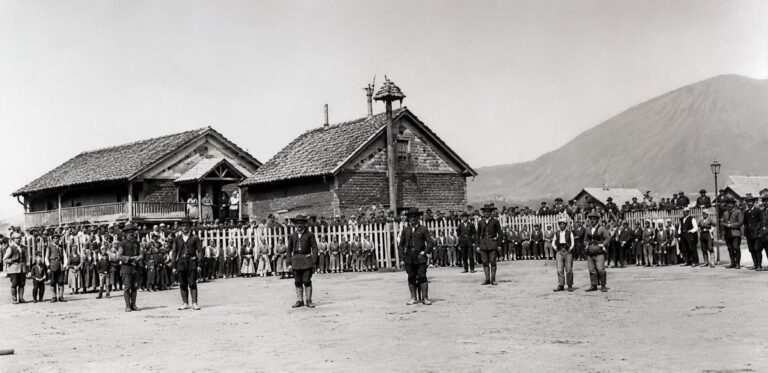
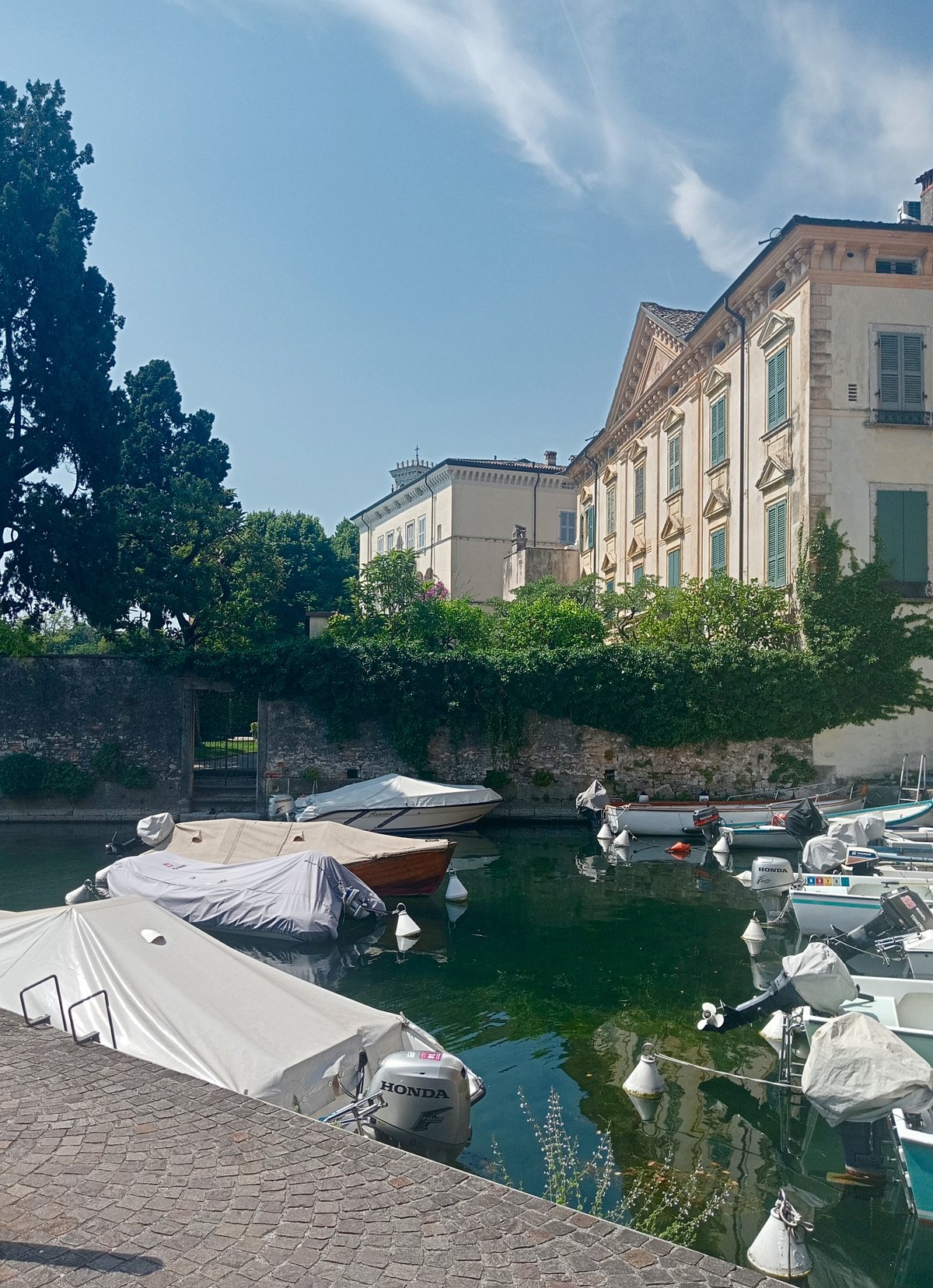
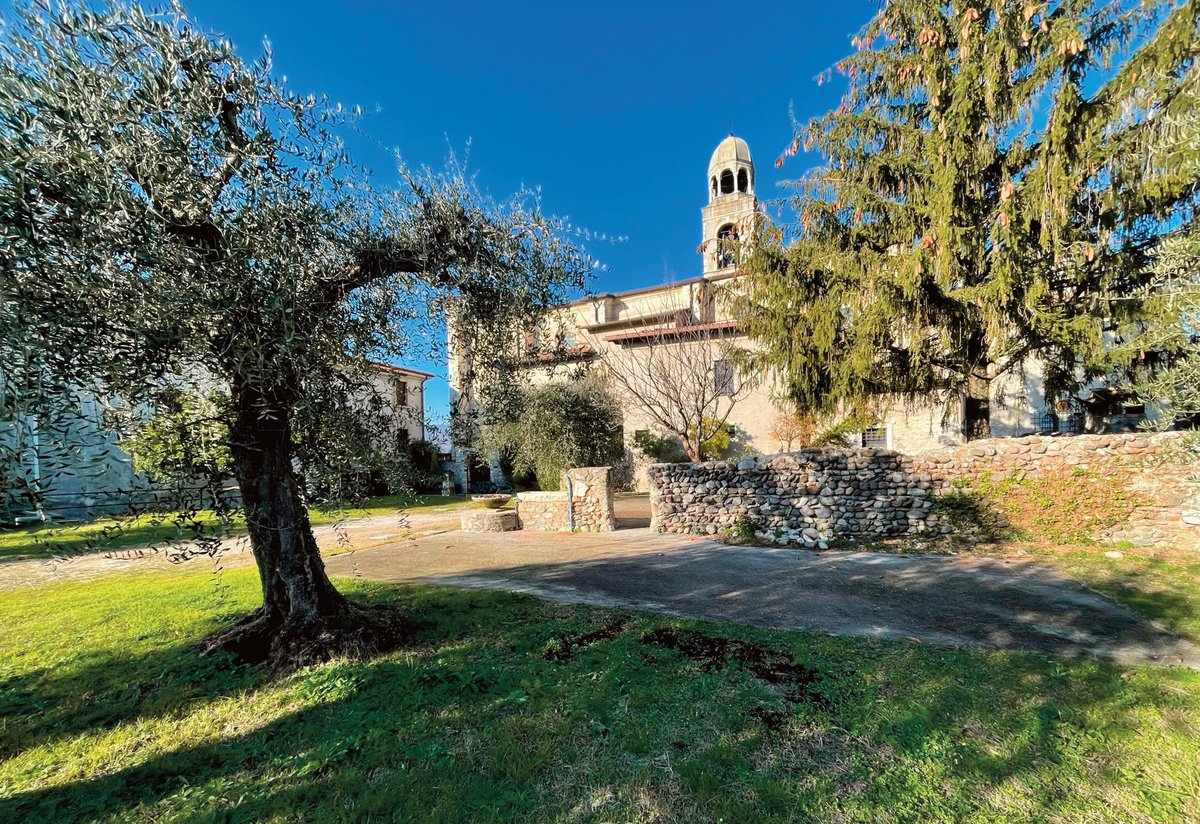
The ancient hamlet of Trevignane is located opposite the current Church of San Giovanni in Portese (Fig 1). The village developed on a hill rising to an altitude of 122 meters above sea level and is bounded on three sides by la Valle, a semicircular depression. Toward the north, the slope is gentler and descends down to the church, around which there was a hamlet with houses called San Giovanni del Montesello, which plausibly formed part of the same property (Fig 2).
Trevignane and San Giovanni del Montesello (Fig 3) occupied a strategic position along the Roman and medieval road axes connecting the hilly hinterland of Garda with Scovolo and the port. Indeed, Portese, the name of the ancient municipality, probably derives from the adjective portuensis referring to the settlement or, perhaps even better, to the road which as late as 1831 was still called via del Porto.
The origin of Trevignane dates back to the Roman era, as suggested by the toponym deriving from the name of the landowner Trebinius. By the mid-14th century, it was a settlement (villa, a synonym for land or comunello) where olive trees were cultivated. The convent of the Religion of San Domenico of Toscolano owned a domus there in which the products of its lands were collected. Property was also held by the monasteries of San Salvatore of Brescia and San Benedetto of Leno, of far more ancient and illustrious origin, having been founded by Desiderio, the last King of the Lombards, in the 750s. In particular, the monastery of Leno was the owner of the Church of San Giovanni.
The analysis of tax registers and property transfers reveals a radical transformation in the social composition of the inhabitants between the 17th and 18th centuries:
In 1595, there were 14 houses and about 50 inhabitants. In 1656, the houses were reduced to 5. The drastic decline is probably attributable to the plague of 1630, which decimated the population and caused births to drop drastically; furthermore, the epidemic favored the concentration of property in the hands of rising non-local families in economic and social ascent, first and foremost the Orio family of Portese.
In 1720, the wealthy Veronese family de Bernini entered the scene, acquiring most of the lands and buildings during the 18th century. Their ‘casa dominicale’ (manor house) became the management center of the agricultural estate, equipped with presses and structures for the tenant farmers (Fig 4).

In the early 1800s, during the Napoleonic era, the Bernini family privatized local roads and enclosed the land with walls and monumental entrances. Other families also appeared in this period, such as the Franceschini and the Baccoli.
From an architectural standpoint, the surviving walls retain traces of medieval buildings with rusticated ashlar (12th–13th century), 15th-century brick portals, and 18th-century vertical extensions.
A few hundred meters from Trevignane there also existed a settlement called San Giovanni di Montesello, closely linked to the church of the same name, which in 1388 depended on the monastery of Leno. Like Trevignane, San Giovanni also saw the co-presence of various religious bodies, including the monastery of Santa Giulia of Brescia.
Unlike Trevignane, the demographic fate of San Giovanni was marked by an inexorable decline: in 1595 it counted 8 houses, falling to 5 in 1656 and to just 2 in 1720. By 1810, the settlement had effectively disappeared, leaving space exclusively for agricultural land owned by the Conter and Alberti families.
While Trevignane survived as a hamlet dominated by the Bernini, San Giovanni vanished as a settlement, leaving only the church as a point of reference for the community of Portese, which eventually absorbed these localities into its administrative jurisdiction.
The only surviving ancient structure is the current rectory, built by the Municipality of Portese for the priests of the church. This was renovated into its present form in 1585, a date engraved—ten years after its consecration—on a stone tablet embedded in the facade.
Sources: Alle origini di Portese – Quaderni dell’Archivio di Comunità di San Felice del Benaco – Gian Pietro Brogiolo
Read more from GN Magazine – August 2026
-
Wels Catfish Lake Garda Emergency: Contextualizing Environmental Challenges
Explore the Wels Catfish Lake Garda Emergency by Filippo Gavazzoni: containment strategies, native fish protection, and sewage purification priorities.
-
Trans-Siberian Railway: History of the World’s Longest Line
Discover the epic history of the Trans-Siberian Railway, spanning 9,288 km across Russia, built through immense determination, foreign engineering, and sheer human endeavor.
-
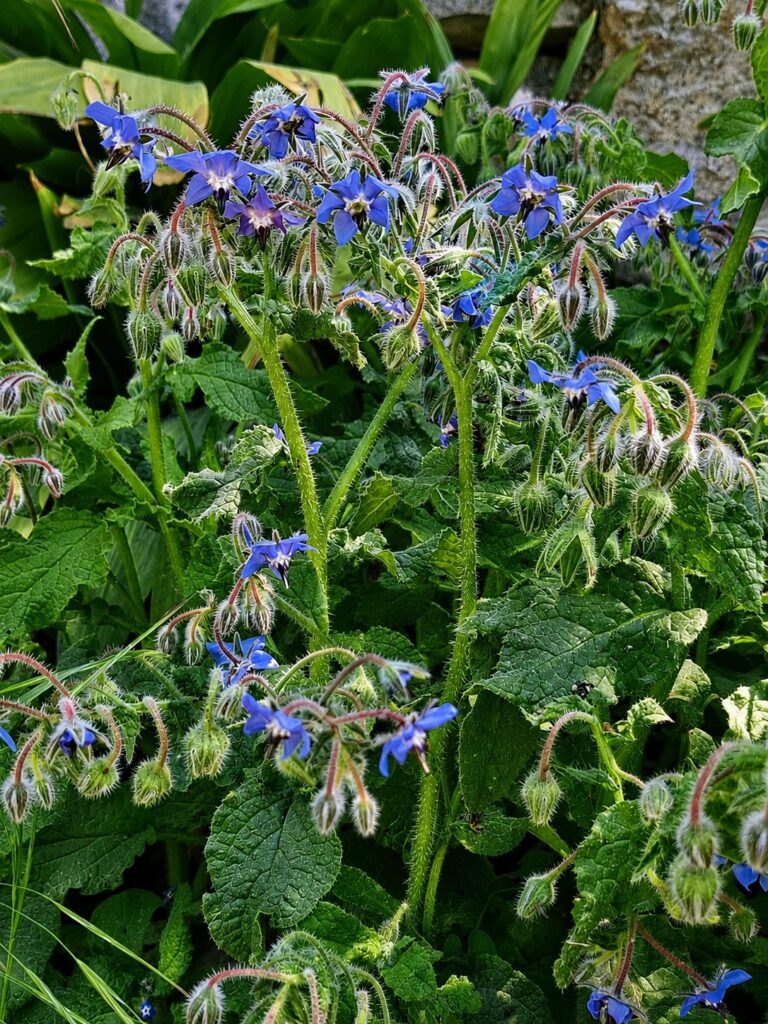
Borage Edible Flowers Green Advice: The Green Witch August Guide
Discover Borage Edible Flowers Green Advice by Marina Boschetti: cultivation tips, culinary uses in savory pies, and eco-friendly water recycling.
-
GN Magazine – August 2026
Digital index and English edition of GN Magazine August 2026 (Issue 212). Discover articles on Lake Garda history, culture, and nature.
-
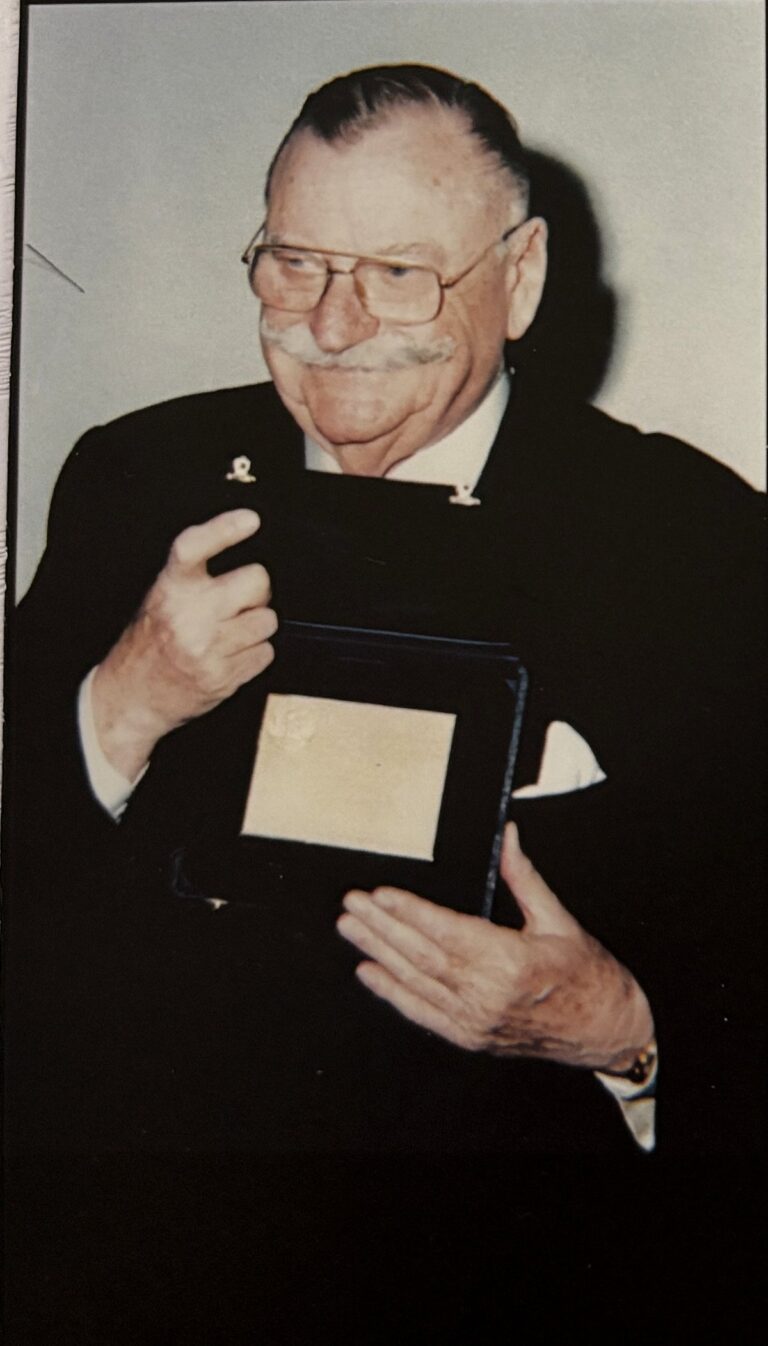
Terme di Sirmione Count Rambaldo di Collalto: Legacy of Spa Excellence
Discover the history of Terme di Sirmione Count Rambaldo di Collalto: 40 years of visionary leadership, Catullo spa foundation, and medical innovation.
-
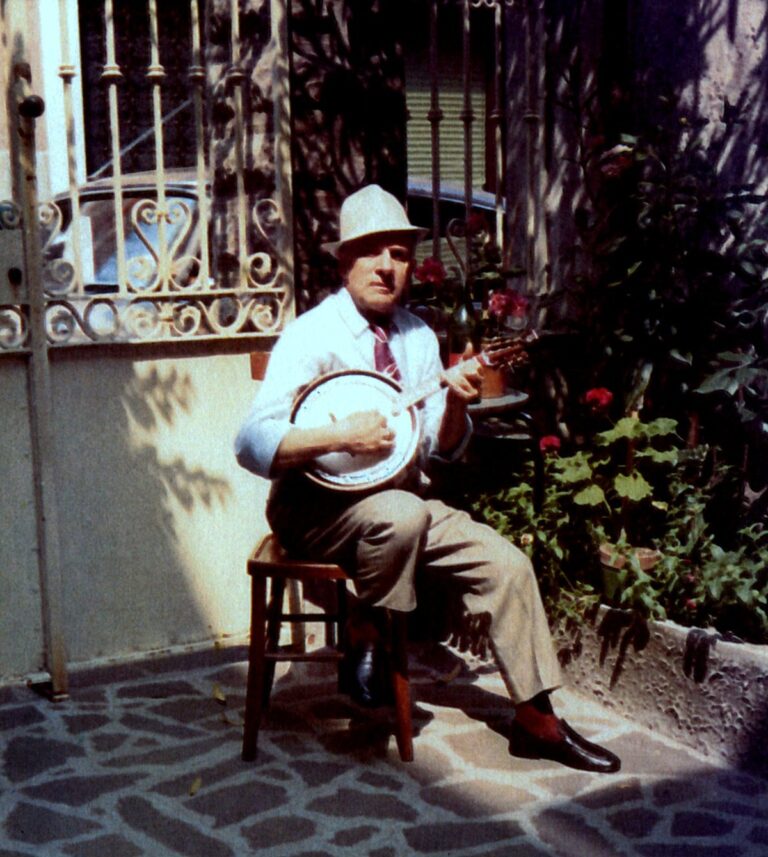
Emilio Berti and Lake Garda’s Mandolin Tradition: Adriana’s Memories
Discover the story of Emilio Berti (1908-1987) and Lake Garda’s mandolin tradition, preserved through music, family memories, and passion.