Manuscripts, drawings, photographs and notes reveal the sensibility and unease of the writer who made Lake Garda his home, with no intention of taking stock of a life, even past the age of 75
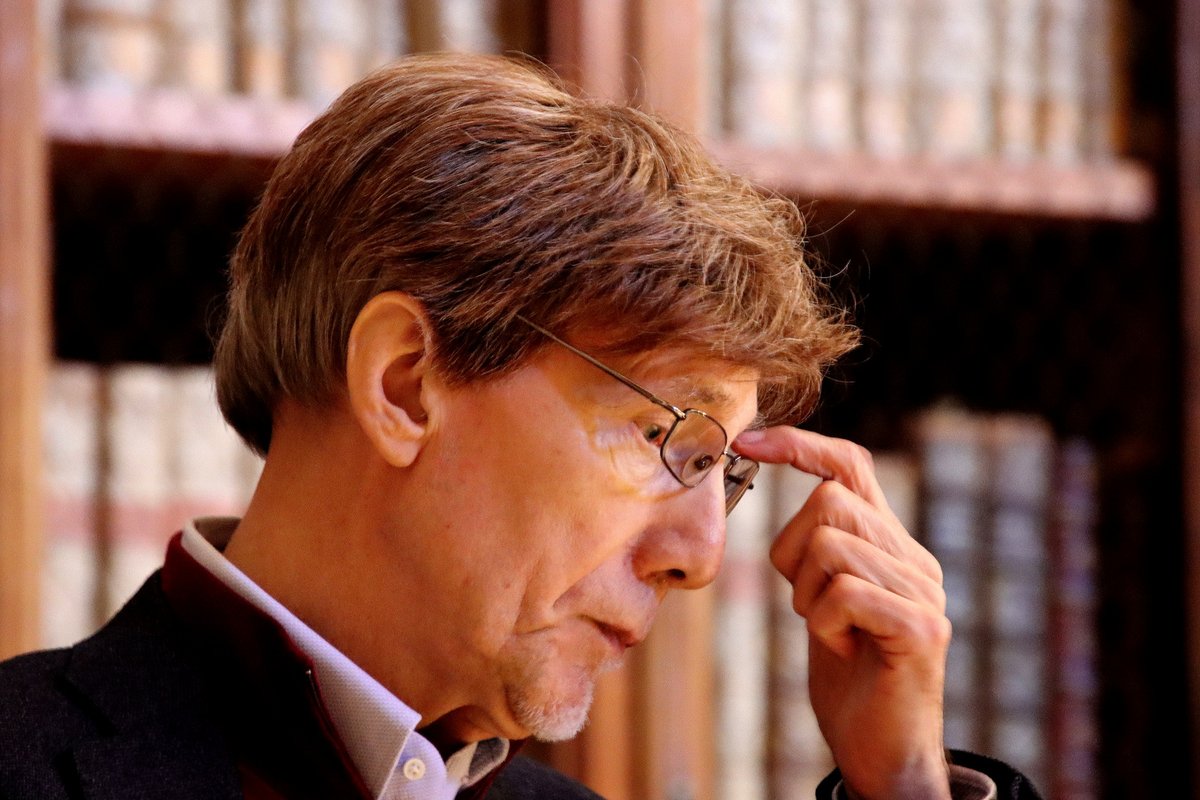
A noble palace of books and archives in the heart of Virgil’s city, the Biblioteca Teresiana was founded in 1780 by Empress Maria Theresa of Austria and is today Mantua’s municipal library. Its director, Francesca Ferrari, promoted and curated the exhibition devoted to the books of Francesco Permunian, a decidedly contrarian writer, Venetian by birth and Lombard by choice, who moved from the Polesine to Lake Garda (Desenzano) more than forty years ago.
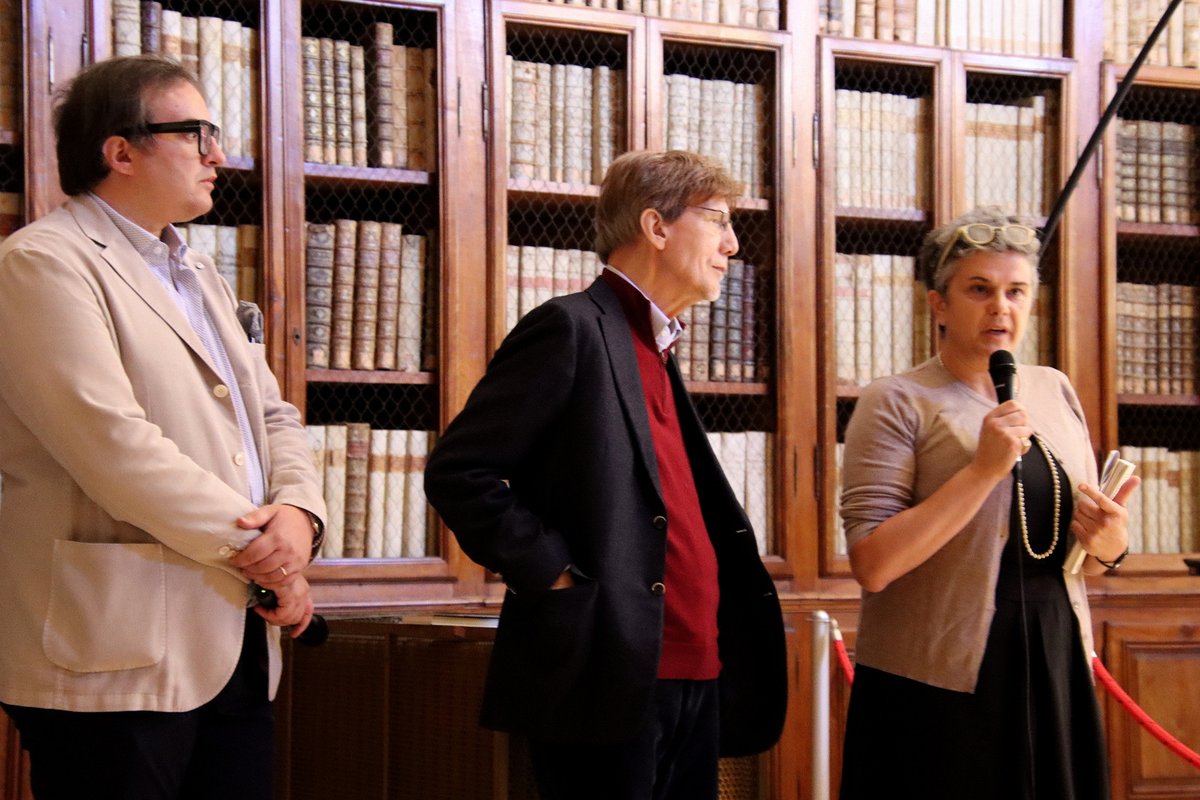
The exhibition closes on 1 November, but its original design lives on in a fine volume entitled Francesco Permunian. Camminando attraverso i campi bruciati dell’amore (Walking Through the Burnt Fields of Love; Oligo, 2026, €19). One might think that at seventy-five a writer, like anyone else, has reached the moment to take stock of a life. Not so. Ferrari herself stresses the point, preferring to speak of prospects rather than nostalgia. What has been assembled in Mantua is, true, a survey of everything Permunian has gathered over the years, but the time for summing up has not yet come. If memory plays a large part in an operation like this, it does so to open new paths. We might say we are at a crossroads that promises new directions and wider horizons. You sense it from the material on display and from the way it is presented: diary fragments alternate with drawings, mock interviews, digressions and photographs. The whole feels mobile and discontinuous, in no way fossilised or gathering dust.
Ferrari also sees in Permunian a “restless pleasure in looking back with irony”. Two places shape the writer’s gaze: the Polesine and Lake Garda, which he regards as “places of the soul”. Between them lie the “burnt fields of love: a landscape that bears the marks of what has passed… yet where the author’s wild flower still blossoms”.
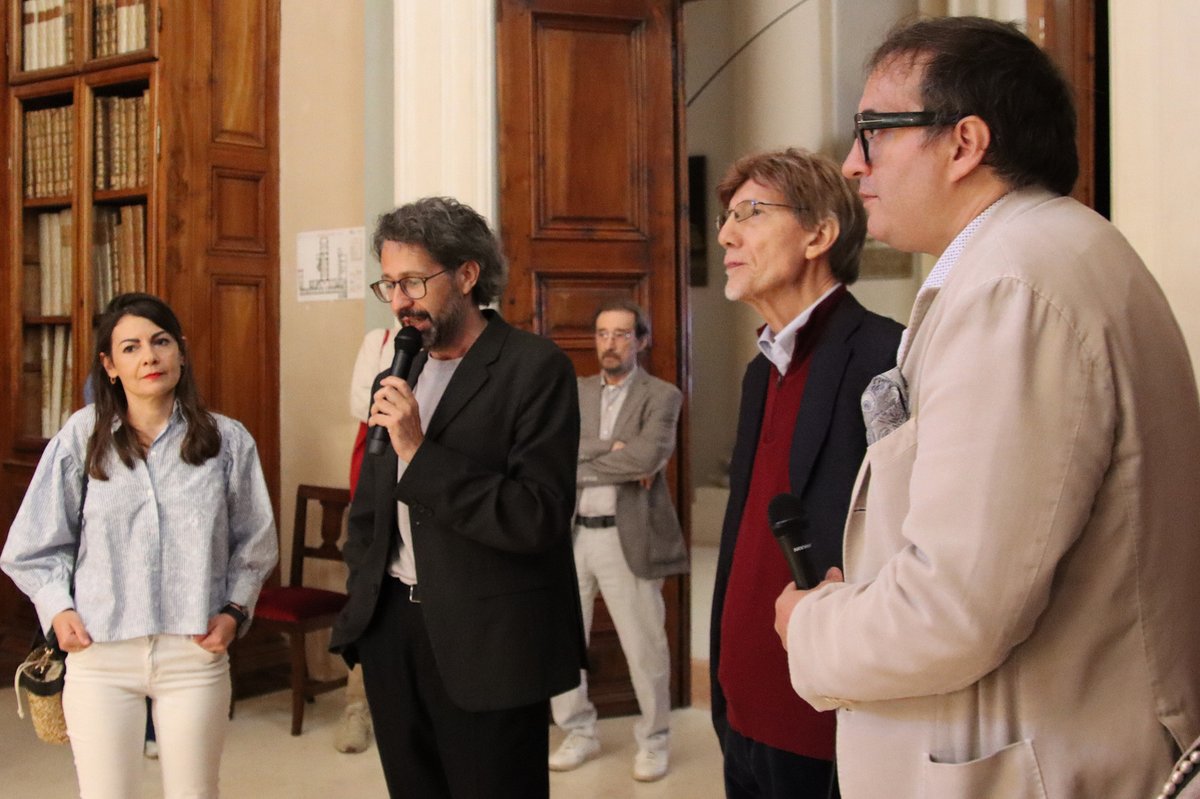
The preface by Stefano Malosso and the afterword by Alice Pisu delve deeper into the writer’s life, revealing a complex world that has left its wounds. Malosso describes Permunian as an “Orpheus with a severed voice, keeper of the memory of the living and the dead”, portrayed through “access to a language kneaded with ghosts and visions”. He gives due weight to “the watery scar of the Po”, which marked him like an indelible, lasting stigma ever since he was a “child, frightened in the days of the great flood” of 1951. “His prose captures the inevitability of human tragedy, like a tragic carnival lullaby.” The “ferocious and the lyrical are clotted together in one great embrace”.
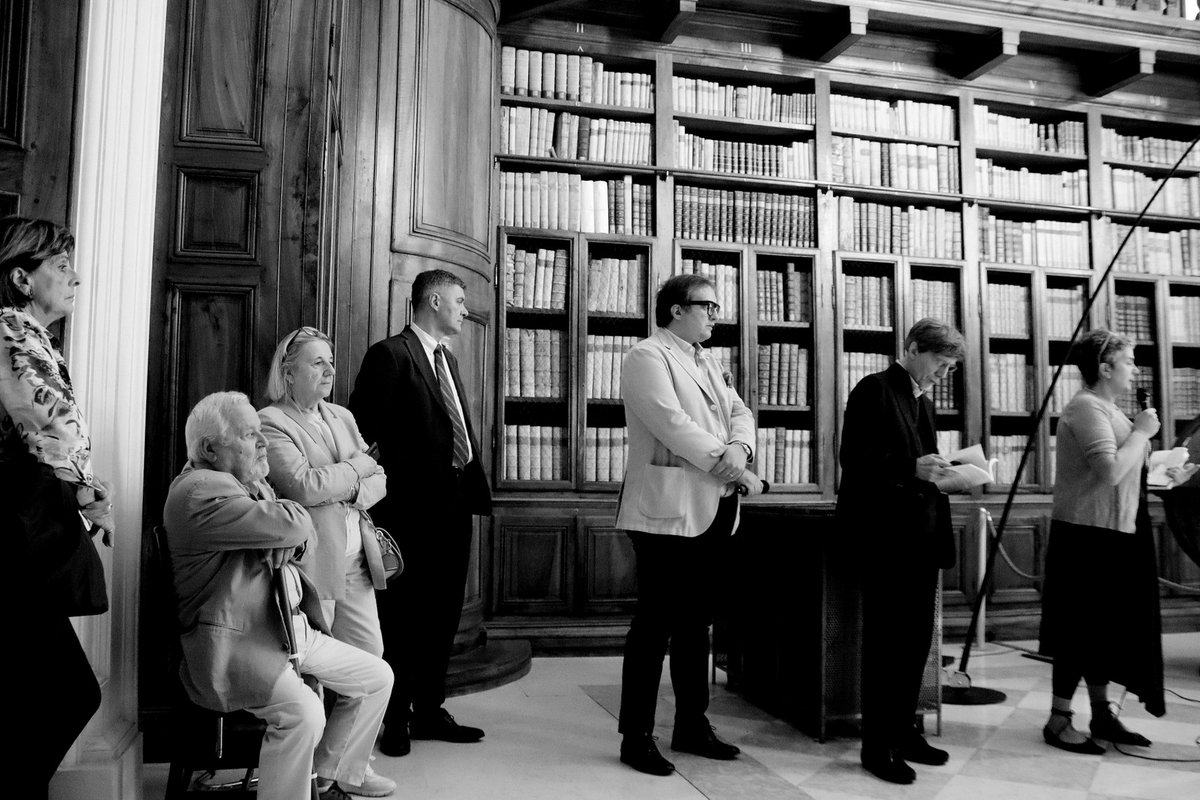
Alice Pisu seems to extend to our whole world, to all of us, that “roaming wander of Permunian among the ruins of an era, tormented by undying memories and macabre visions… an alienated exile”. In the writer’s workshop, so well represented in both the exhibition and the book, everything reads like a commonplace book, home to the allegory of life and death. This is where “his perennial fascination with parody” takes shape, in the creation of masks that portray human misery.
Permunian’s life and writing are accompanied, in the exhibition and in the book, by works from Roberto Abbiati, Gianni Berengo Gardin, Renzo Bertasi, Luca del Baldo, Gianni Fucile, Mario Giacomelli, Piero Guccione, Lorenzo Mattotti, Pino Mongiello and Tullio Pericoli.
Article by Pino Mongiello for GN Magazine (November 2026).
Read more from GN – November 2026
-
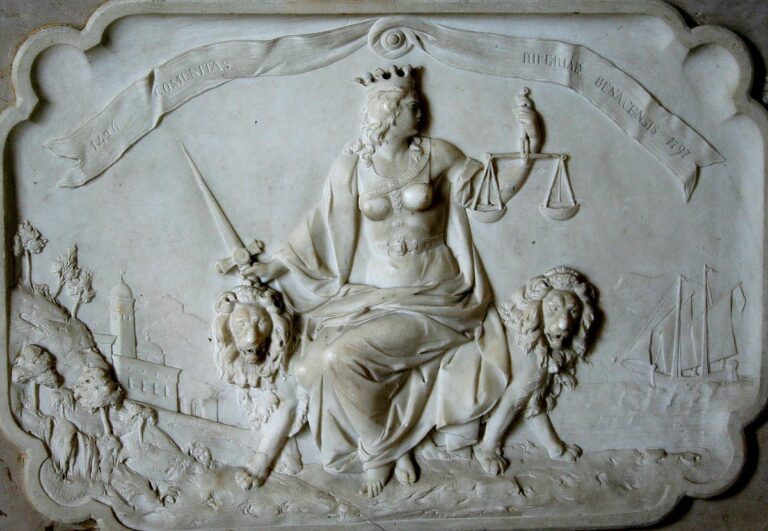
Magnifica Patria di Riviera: Six Centuries Since Lake Garda Turned to Venice
A look at the latest cultural events organised by the Municipality of Salò to mark the sixth centenary of the Magnifica Patria’s dedication to the Republic of Venice on 13 May 1426 On 3 October, the Sala dei Provveditori in Salò‘s town hall hosted the most significant of the fifteen or so conferences planned for […]
-
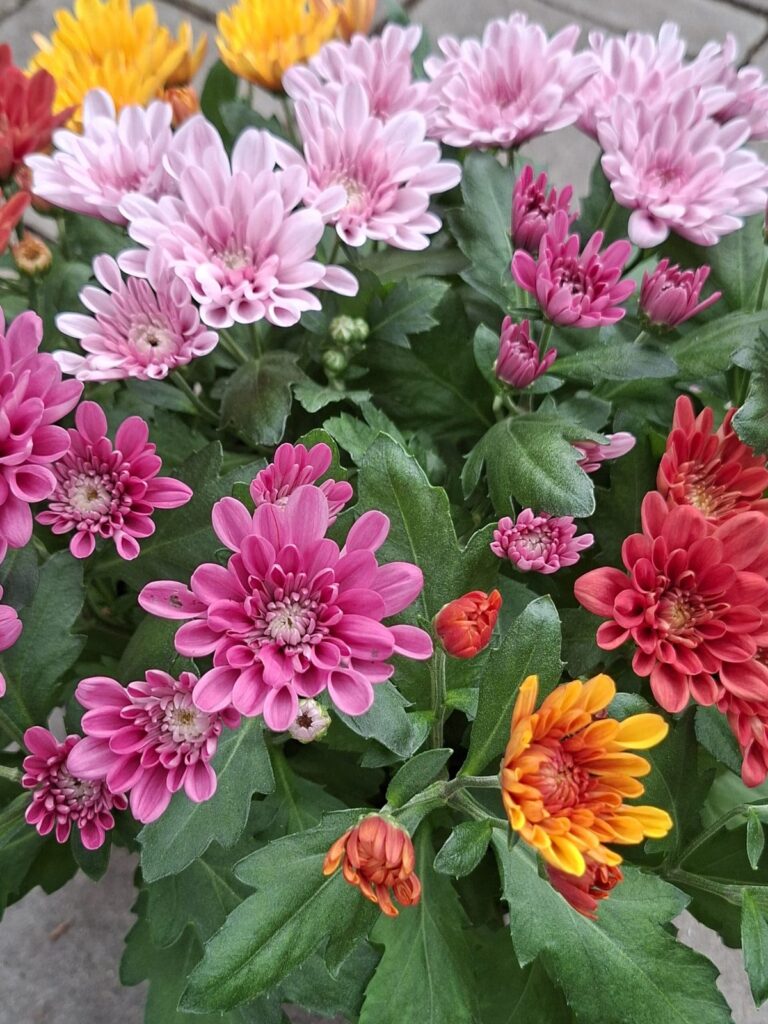
Chrysanthemum: November’s Flower for All Saints
This month I want to talk about a plant you can find everywhere at this time of year, and one tied to a very particular occasion: the chrysanthemum, the flower traditionally brought to our departed loved ones on All Saints’ Day. It is a hardy plant, and it is always in bloom at this point […]
-
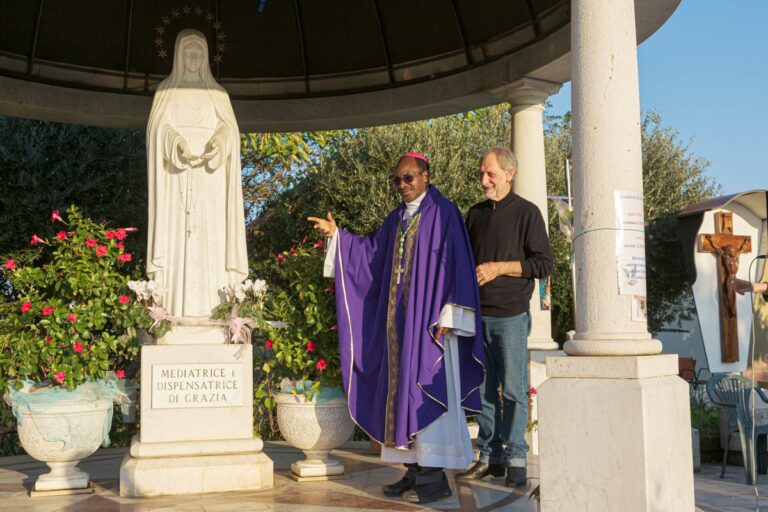
Madonna di San Polo: the 2021 Apparition and Bishop Sayaogo’s Testimony
The apparition of 22 May 2021 to three children The story of the Madonna di San Polo in Lonato del Garda continues. Luigi always wished to become known only after his death, and wanted the place itself to become known through what others told about it. That wish was granted on 22 May 2021, when […]
-
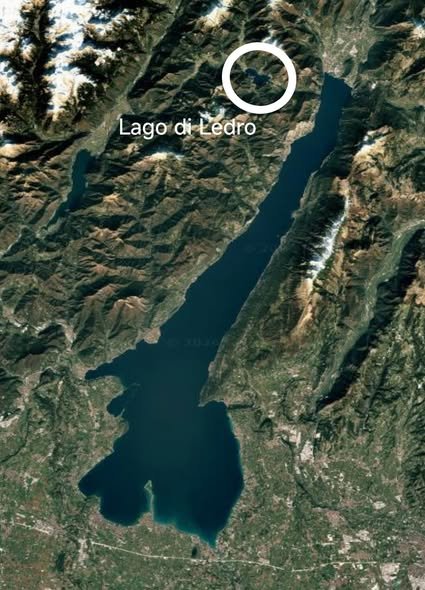
Lake Ledro and Lake Garda: the Hidden Link Between Peschiera and Molina
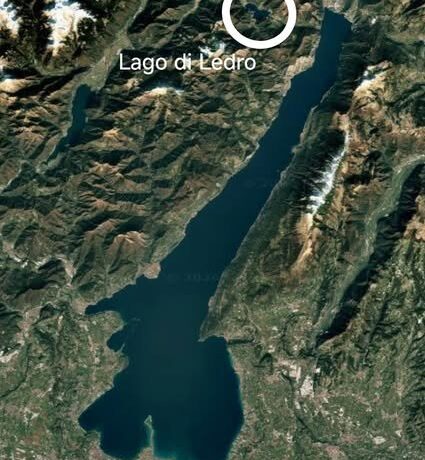
Looking at the two maps that accompany this article, Lake Garda and Lake Ledro seem like two separate worlds, divided by a wall of rock and a drop of some six hundred metres. And yet their waters hide connections that are as unusual as they are fascinating. Lake Ledro is the source of the Ponale […]
-
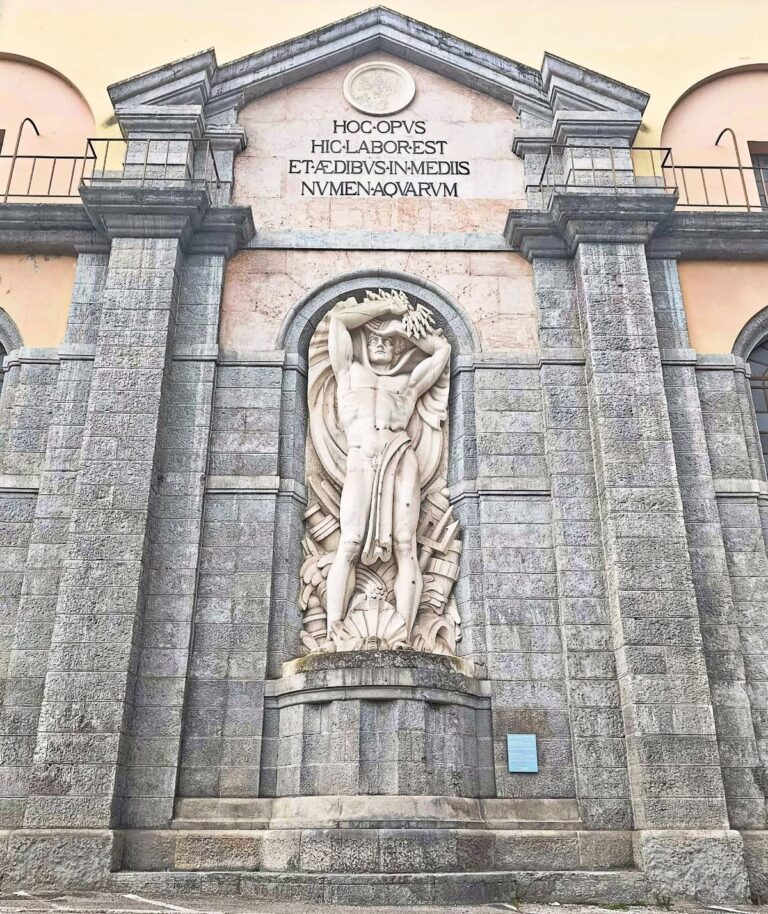
Ponale Waterfall: Lessons for Tourism on Lake Garda Today
Give yourself a few minutes to read this analysis. It is very relevant to Lake Garda, and it applies just as well to any other area that lives largely on tourism. As is my habit, I will start with a piece of history. It is the late 1920s. The Ponale waterfall, until then roaring and […]
-
Trans-Siberian Railway: the Friulian Workers’ Dilemma at the End of the Line
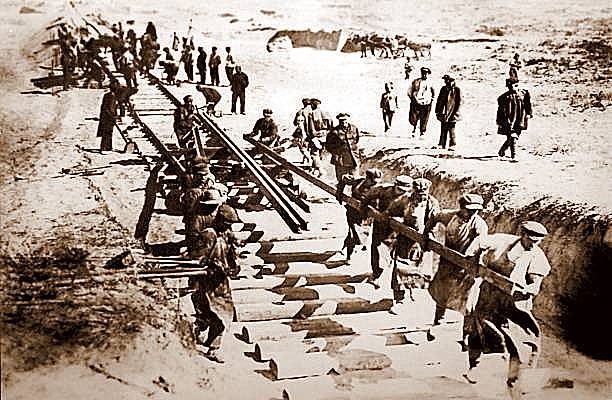
You see, Luigi, as work on each section of the railway came to an end, with the rails laid and the first test train arriving, all the free workers, that is, those who were not prisoners or otherwise employed by the Russian state, had to decide where to go on with their lives. For most […]