While researching the film Il cattivo poeta (The Bad Poet), I came across Giovanni Comini, whose story I will tell for those GN readers who may not know it.
With Il cattivo poeta, Gianluca Jodice makes his debut as a feature director, using only Gabriele d’Annunzio’s own written or spoken words for the poet’s dialogue.
Comini, played well by Francesco Patanè, is little more than a litmus test that allows the poet-prophet to tower beside him; yet Sergio Castellitto, who plays d’Annunzio, resists the temptation to tower and chooses a sober, pared-back approach to this twilight d’Annunzio.
Il cattivo poeta offers a historical account of a complex period in Italian history. Comini’s story and his relationship with d’Annunzio reveal the political tensions of the time, the crucial role of poets and artists, and the personal repercussions of political choices. The film is a journey back in time, through which audiences can appreciate the nuances of history and the complexity of the characters involved.
The film is set in 1936, a particularly delicate moment for Italy.
Comini was born in Brescia on 27 October 1906 and died in Cellatica in 2002.
Giovanni Comini, known as Gianni, was a fervent supporter of Fascism. His political career began very early, in the Fascist University Group (G.U.F.).
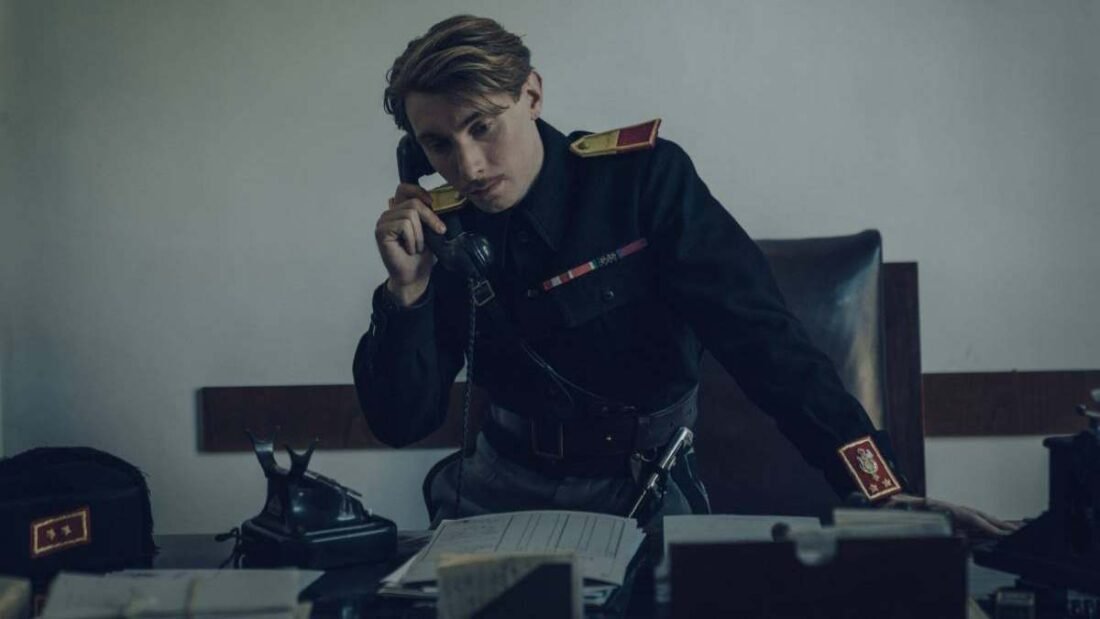
He held a degree in political and social sciences and worked as a journalist.
Showing remarkable commitment and dedication to the Fascist cause, he rose quickly through the youth organisations of the National Fascist Party, becoming deputy podestà of Brescia in 1929, at just 23, and then federal secretary of the party for the province on 12 April 1935, at the young age of twenty-eight.
In this role, in the spring of 1936, Comini was given a crucial task by Achille Starace: to win the trust of the celebrated poet Gabriele d’Annunzio and spy on him for Mussolini. The Duce feared that d’Annunzio, already known for his impatience with Fascism, might undermine popular confidence in the alliance between Mussolini and Hitler, especially given the prospect of an imminent war. The mission brought Comini into d’Annunzio’s inner circle, and he became a regular visitor to the Vittoriale, the poet’s residence.
Giovanni Comini had been chosen by Mussolini to keep Gabriele d’Annunzio under watch, but their relationship turned out to be a very particular one.
Aware of the dangers of an alliance with Hitler, d’Annunzio asked Comini to arrange a meeting with Mussolini in an attempt to talk him out of his plans.
Learning that Mussolini is about to travel to Germany to be received by Hitler, d’Annunzio asks Comini to set up a meeting with the Duce. The young man tries, in vain. Meanwhile, Comini has a love affair with a woman, Lina, who will take her own life after the arrest of her anti-Fascist half-brother. The young federal secretary begins to doubt Fascism.
The Duce, however, ignored the poet’s advice, and d’Annunzio suffered a physical and mental collapse.
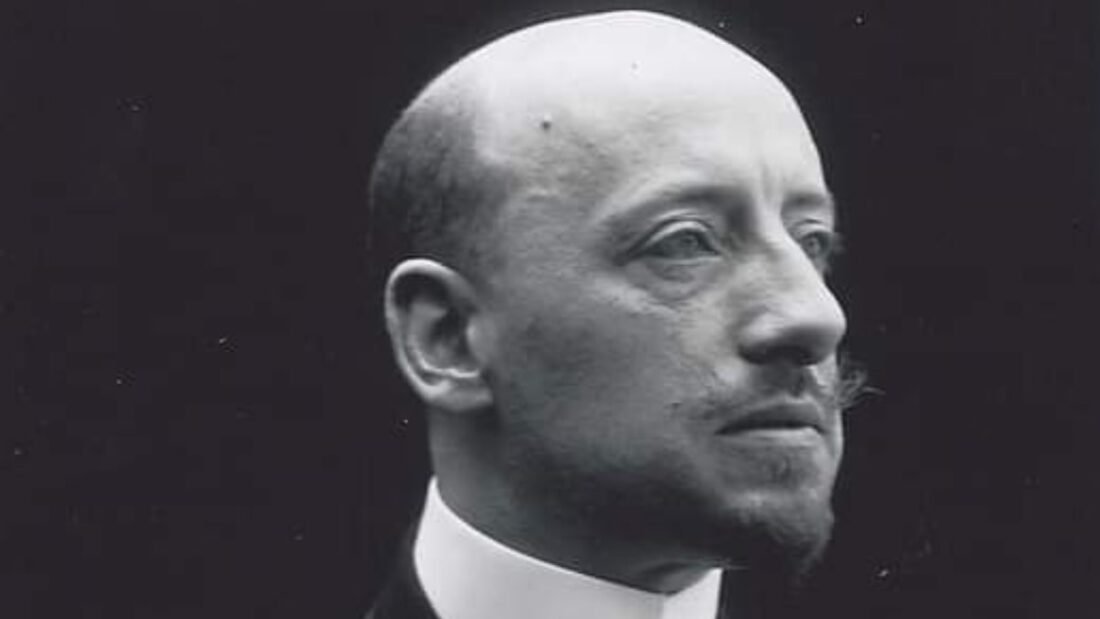
In 1937, on the death of Guglielmo Marconi, d’Annunzio is appointed president of the Accademia d’Italia ex officio; the poet, meanwhile, begins to show signs of instability and impatience. He manages to meet the Duce at Verona Porta Nuova station on his return from Germany. There d’Annunzio tries to warn him of the dangers of an alliance with Hitler, but Mussolini deliberately ignores him and treats him with great condescension.
After this, the poet bids his friend Comini farewell for ever, telling him that opposing the war is his duty and that he will try again when he goes to Rome to accept the presidency of the Academy.
On his return, however, Comini is sharply reprimanded by Starace, because his dossiers highlight popular discontent with the alliance between Hitler and Mussolini.
Although he knew about Comini’s mission, d’Annunzio grew fond of the young federal secretary.
Comini, in turn, was captivated by the poet. Now old and withdrawn into exile, d’Annunzio spent most of his time alone, using cocaine and living on memories of past glories, looked after by his faithful companions Luisa Baccara and Amélie Mazoyer. Old by now, the poet lived in complete seclusion.
Comini’s diaries from this period give a detailed and vivid account of his dealings with d’Annunzio and of the involvement of the OVRA, the Fascist secret police charged with surveillance and repression of anti-Fascism. His words reveal a climate of suspicion and constant watchfulness, in which informers, spies, secret agents and investigators, professional and amateur alike, were ready to sell gossip and false news.
In his diaries we read impressions and detailed reports from the period of surveillance and of his relationship with d’Annunzio, and indeed of the OVRA’s involvement in the affair: “Informers and snitches of every kind. Agents more or less secret. Investigators, professional and amateur, shrewd and not, but all of them always ready to sell gossip and tall tales to the highest bidder. If anyone had told me a month ago, I would never have believed it.”
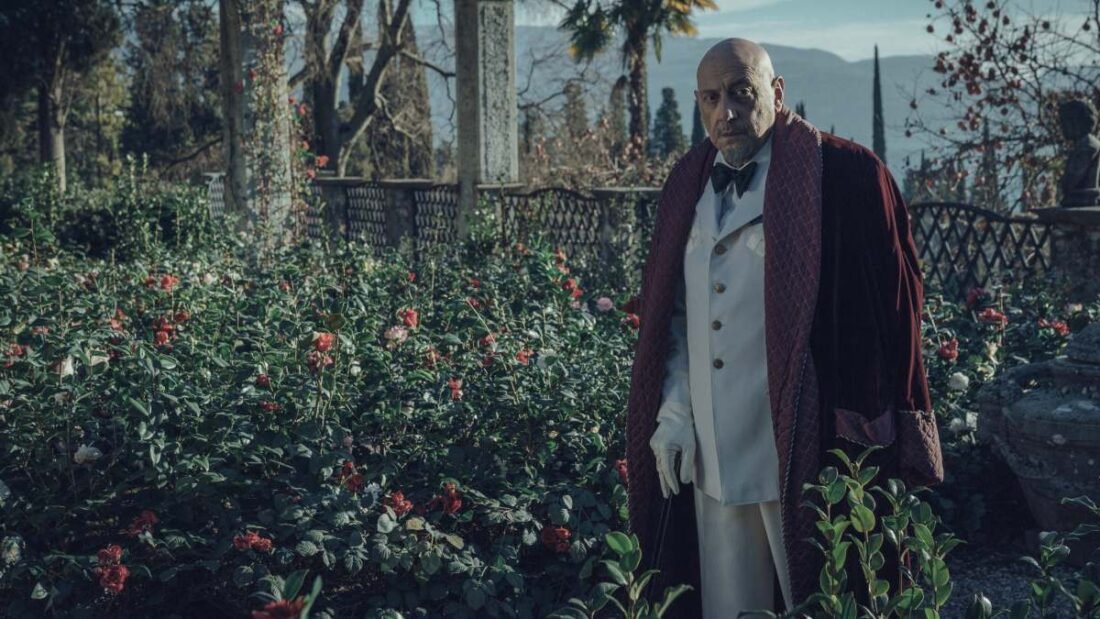
When his assignment ended with d’Annunzio’s death on 1 March 1938, Comini could at last breathe a sigh of relief: “D’Annunzio’s death frees me from a great worry,” he wrote in his diary.
Comini remained federal secretary for five years, during which he was promoted for exceptional merit on the recommendation of generals Giovanni Girolamo Romei Longhena and Pietro Maravigna.
In 1940, after informing Mussolini that the people of Brescia were opposed to Italy entering the war, he was replaced by Antonio Valli.
As federal secretary of the party, Comini was also a national councillor of the Chamber of Fasces and Corporations for the 30th legislature, until he was replaced by Valli.
Beyond his political life, Giovanni Comini is known for donating his photographic collection to the Fondazione Luigi Micheletti.
Although little is known about his private life, such as a wife or children, Comini is remembered for his prominent role during the Fascist period and for his direct involvement with leading figures such as d’Annunzio and Mussolini.
To conclude, the film shows us the poet in a light that has perhaps not always been brought out before, thanks in part to Giovanni Comini’s diaries.
Article by Gualtiero Comini for GN Magazine (November 2026).
Read more from GN – November 2026
-
Magnifica Patria di Riviera: Six Centuries Since Lake Garda Turned to Venice
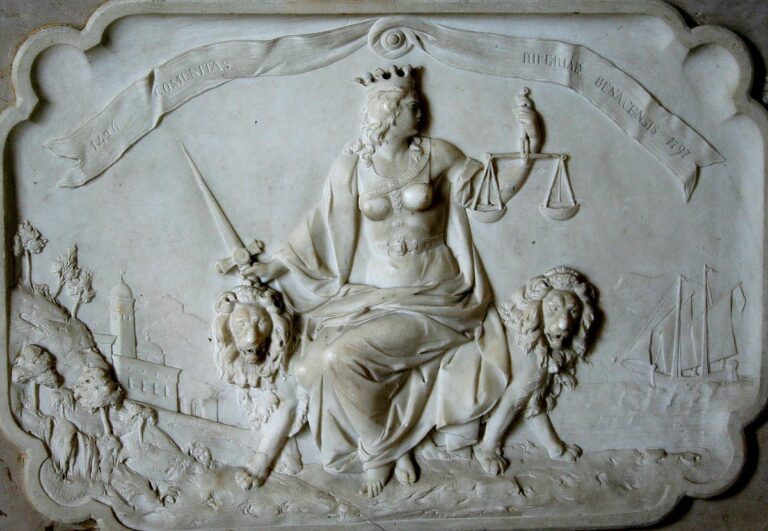
A look at the latest cultural events organised by the Municipality of Salò to mark the sixth centenary of the Magnifica Patria’s dedication to the Republic of Venice on 13 May 1426 On 3 October, the Sala dei Provveditori in Salò‘s town hall hosted the most significant of the fifteen or so conferences planned for […]
-
Chrysanthemum: November’s Flower for All Saints
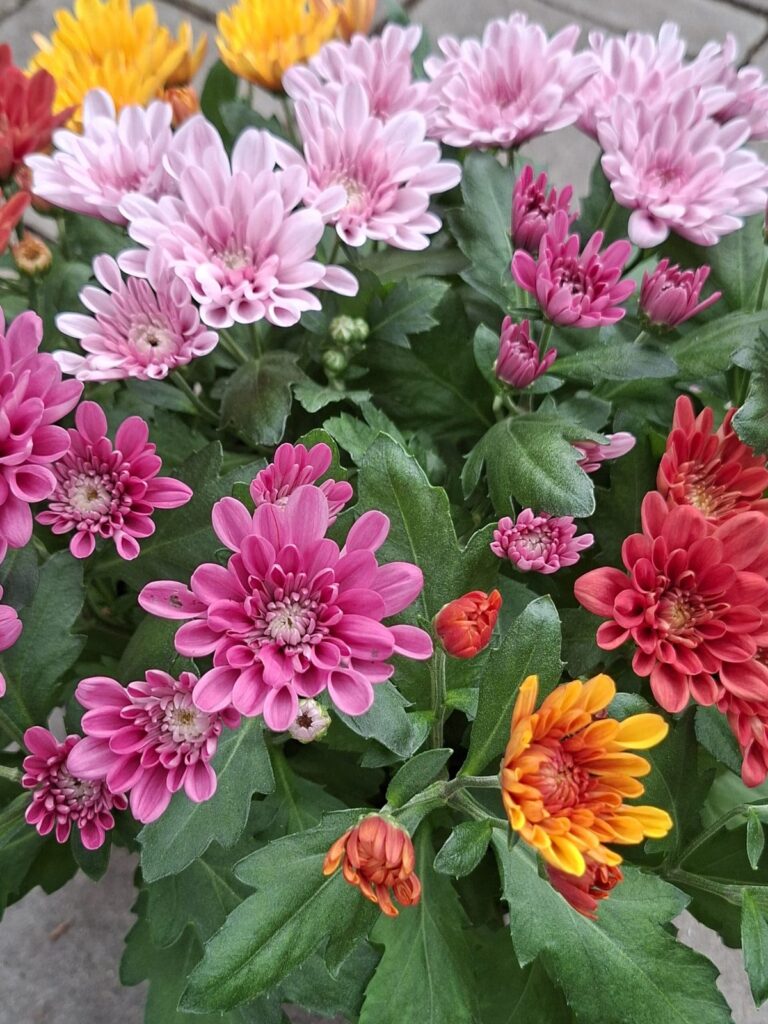
This month I want to talk about a plant you can find everywhere at this time of year, and one tied to a very particular occasion: the chrysanthemum, the flower traditionally brought to our departed loved ones on All Saints’ Day. It is a hardy plant, and it is always in bloom at this point […]
-
Madonna di San Polo: the 2021 Apparition and Bishop Sayaogo’s Testimony
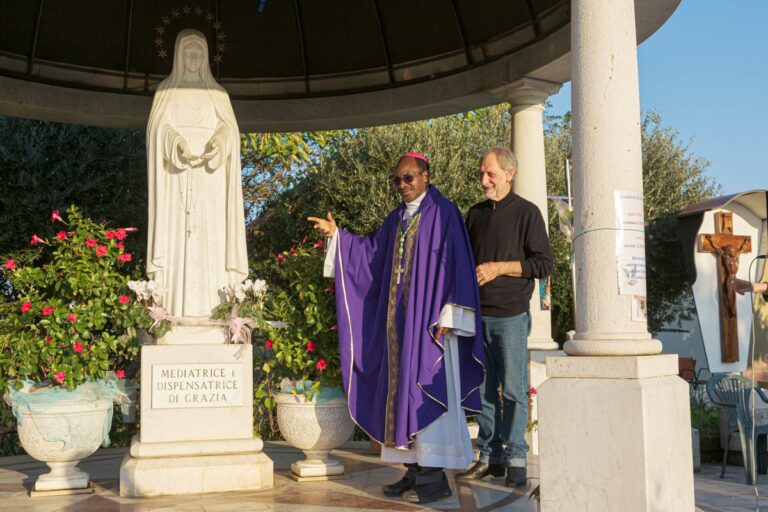
The apparition of 22 May 2021 to three children The story of the Madonna di San Polo in Lonato del Garda continues. Luigi always wished to become known only after his death, and wanted the place itself to become known through what others told about it. That wish was granted on 22 May 2021, when […]
-
Lake Ledro and Lake Garda: the Hidden Link Between Peschiera and Molina
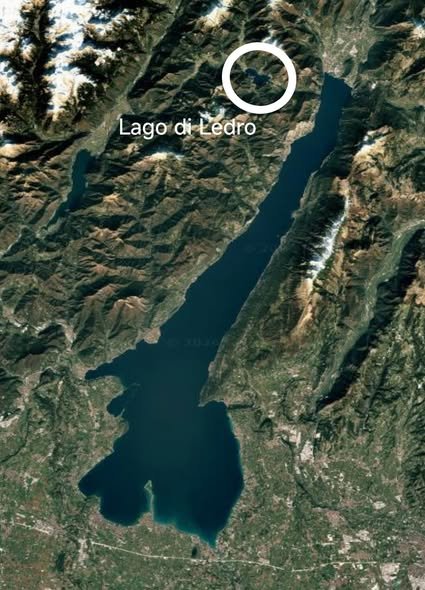
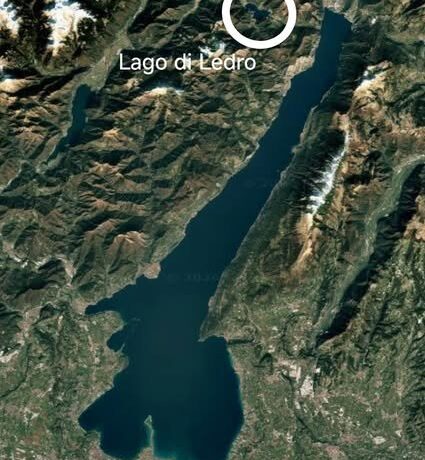
Looking at the two maps that accompany this article, Lake Garda and Lake Ledro seem like two separate worlds, divided by a wall of rock and a drop of some six hundred metres. And yet their waters hide connections that are as unusual as they are fascinating. Lake Ledro is the source of the Ponale […]
-
Ponale Waterfall: Lessons for Tourism on Lake Garda Today
Give yourself a few minutes to read this analysis. It is very relevant to Lake Garda, and it applies just as well to any other area that lives largely on tourism. As is my habit, I will start with a piece of history. It is the late 1920s. The Ponale waterfall, until then roaring and […]
-
Trans-Siberian Railway: the Friulian Workers’ Dilemma at the End of the Line
You see, Luigi, as work on each section of the railway came to an end, with the rails laid and the first test train arriving, all the free workers, that is, those who were not prisoners or otherwise employed by the Russian state, had to decide where to go on with their lives. For most […]