When the English think of puppets, they think of Punch. And of Judy, his wife; and of a whole world of chases, beatings, crocodiles, sausages, policemen and even devils. The colourful English puppet, however, was originally rather different: and he was Italian!
His story begins with Pulcinella, the famous mask of the Commedia dell’Arte. It is not hard to see how much they have in common: both share the unmistakable hooked profile and that distinctive squeaky voice produced with a small device, the pivetta in the Italian tradition and the swazzle in the English one.
In the seventeenth century some Italian performers took Pulcinella beyond the borders of Italy, all the way to London. The first documented record dates from May 1662: the English diarist Samuel Pepys wrote that he had watched a puppet show in Covent Garden presented by the Italian puppeteer Pietro Gimonde, known in England as Signor Bologna.
It was a great success: a few months later, in October 1662, Gimonde was invited to perform before King Charles II, who rewarded him with a gold chain and medal. At the time, though, Punch was not yet the glove puppet we know today: Gimonde actually worked with marionettes.
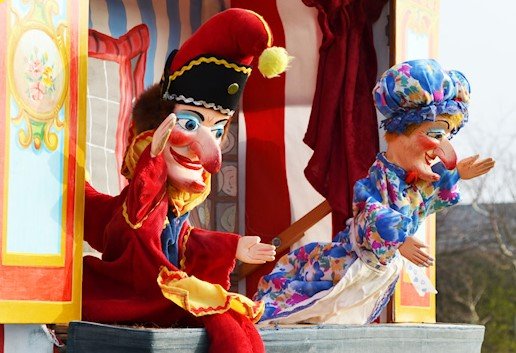
During the eighteenth century Pulcinella became Punchinello and then simply Punch, growing more and more English. He gave up the traditional white costume for the bright colours of the British jester, red and yellow. His appearance became more grotesque: a huge pointed hump appeared, a long hooked nose and that peculiar, almost crescent-shaped profile the English associate with the character.
His personality changed too, becoming ever more irreverent and anarchic: Punch causes trouble, mistreats the other characters, mocks authority and almost always gets away with it. An episode from 1773 shows just how popular he was: when a show of marionettes (and of actors dressed as marionettes) without Punch was staged at the Haymarket Theatre in London, the audience protested so violently that they smashed some of the theatre’s benches! Clearly, for them, a puppet show without Punch was not the same thing!
Between the late eighteenth and the early nineteenth century the show began to leave the large marionette stages and became smaller, nimbler and easy to carry around: this is how the classic Punch and Judy Show was born. The glove puppet is perfect for this kind of entertainment: all it takes is a small booth, a few props and a single puppeteer, traditionally called the Professor. Audiences could find him in squares, at fairs and above all at seaside resorts.
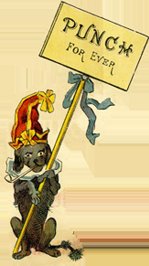
Punch’s world also gained new characters. His wife, first called Joan, became Judy; then came the baby, the policeman, the hangman, the devil and, of course, the crocodile. There was Scaramouche, a clown with an extendable neck; Pretty Polly, the pretty girl Punch secretly fancies; and Toby, Punch’s dog, who in the tradition could even be a real little dog, trained to sit on the stage and interact with the puppets.
The show moves at a frantic pace, full of chases, misunderstandings and, above all, beatings. This is where the English word slapstick comes from, still used today for physical comedy made of blows, falls and gags. And of course there is one line that can never be missing: “That’s the way to do it!“. Punch repeats it as he pursues, with a confidence wildly out of proportion to his exploits, his very personal and questionable idea of order.
During the twentieth century English puppet theatre had to compete with the music hall, variety, cinema and finally television. Punch, however, held his ground and remained a familiar presence, especially at English seaside resorts. Even today there are performers in Britain who carry on the tradition and call themselves Professors of Punch and Judy.
Isn’t it curious to think that behind one of the most typically English characters of popular theatre hides an old Italian mask? Pulcinella crossed the Channel and turned into Punch, but the journey of our masks has never stopped. We Italian puppeteers, in our own small way, have been and still are ambassadors of our culture around the world.
Article by Fulvia Marai (I Burattini di Babette, BUdiBA) for GN Magazine (November 2026).
Read more from GN – November 2026
-
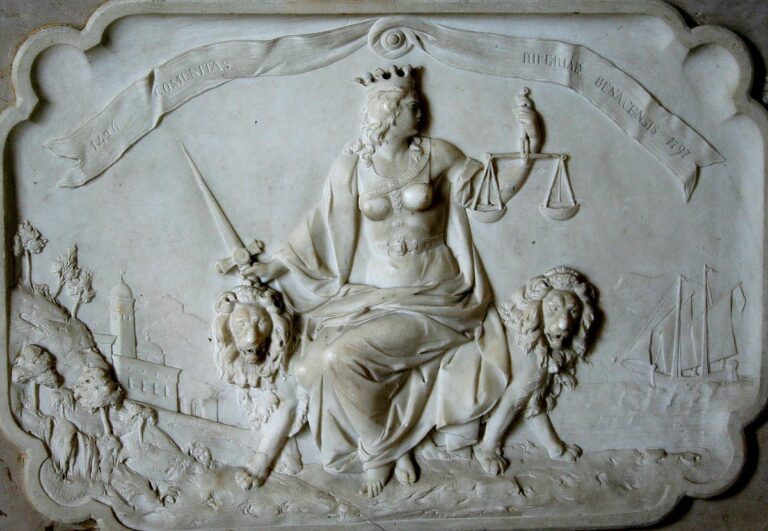
Magnifica Patria di Riviera: Six Centuries Since Lake Garda Turned to Venice
A look at the latest cultural events organised by the Municipality of Salò to mark the sixth centenary of the Magnifica Patria’s dedication to the Republic of Venice on 13 May 1426 On 3 October, the Sala dei Provveditori in Salò‘s town hall hosted the most significant of the fifteen or so conferences planned for […]
-
Chrysanthemum: November’s Flower for All Saints
This month I want to talk about a plant you can find everywhere at this time of year, and one tied to a very particular occasion: the chrysanthemum, the flower traditionally brought to our departed loved ones on All Saints’ Day. It is a hardy plant, and it is always in bloom at this point […]
-
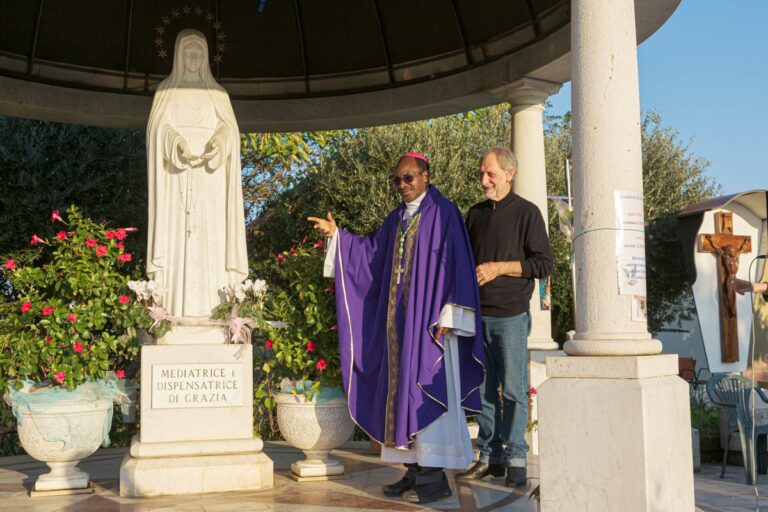
Madonna di San Polo: the 2021 Apparition and Bishop Sayaogo’s Testimony
The apparition of 22 May 2021 to three children The story of the Madonna di San Polo in Lonato del Garda continues. Luigi always wished to become known only after his death, and wanted the place itself to become known through what others told about it. That wish was granted on 22 May 2021, when […]
-
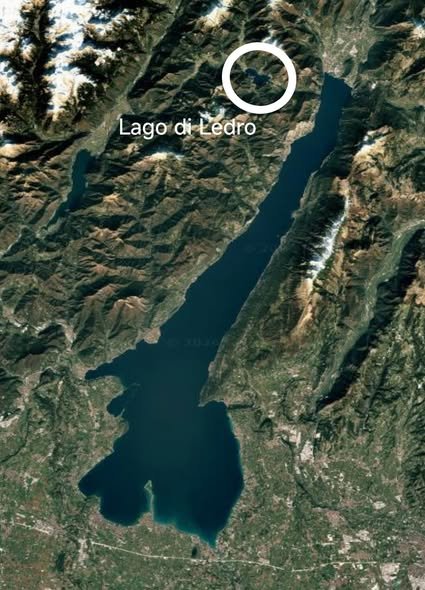
Lake Ledro and Lake Garda: the Hidden Link Between Peschiera and Molina
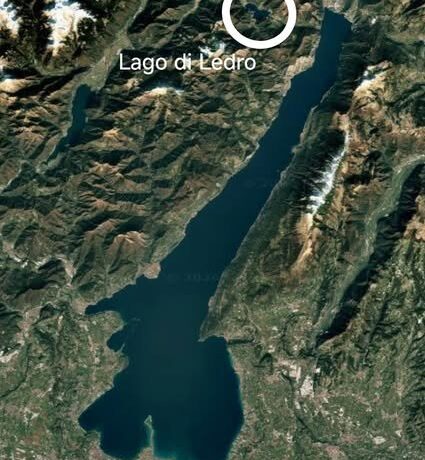
Looking at the two maps that accompany this article, Lake Garda and Lake Ledro seem like two separate worlds, divided by a wall of rock and a drop of some six hundred metres. And yet their waters hide connections that are as unusual as they are fascinating. Lake Ledro is the source of the Ponale […]
-
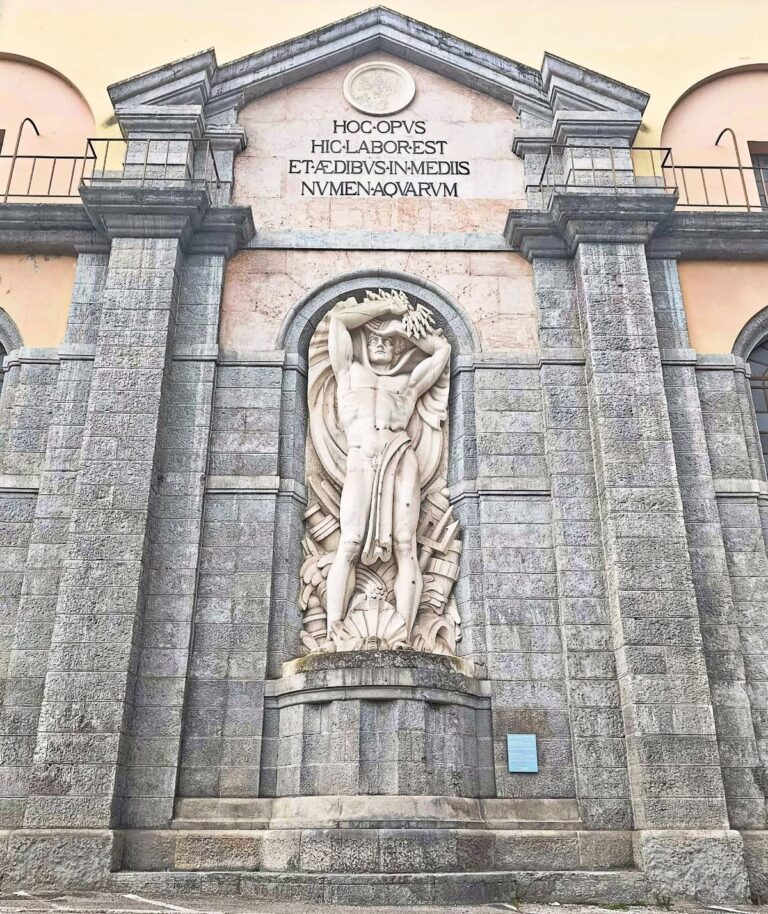
Ponale Waterfall: Lessons for Tourism on Lake Garda Today
Give yourself a few minutes to read this analysis. It is very relevant to Lake Garda, and it applies just as well to any other area that lives largely on tourism. As is my habit, I will start with a piece of history. It is the late 1920s. The Ponale waterfall, until then roaring and […]
-
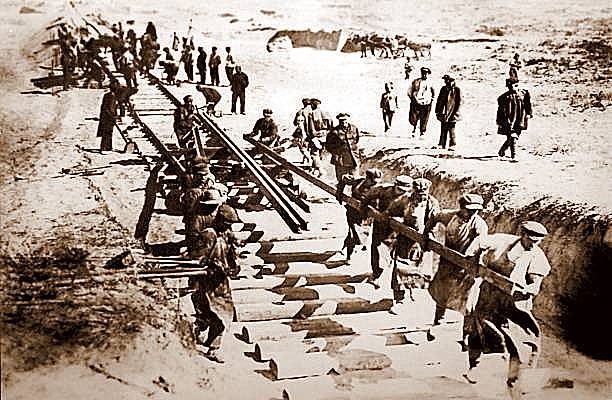
Trans-Siberian Railway: the Friulian Workers’ Dilemma at the End of the Line
You see, Luigi, as work on each section of the railway came to an end, with the rails laid and the first test train arriving, all the free workers, that is, those who were not prisoners or otherwise employed by the Russian state, had to decide where to go on with their lives. For most […]