This month I want to talk about a plant you can find everywhere at this time of year, and one tied to a very particular occasion: the chrysanthemum, the flower traditionally brought to our departed loved ones on All Saints’ Day. It is a hardy plant, and it is always in bloom at this point in the year.
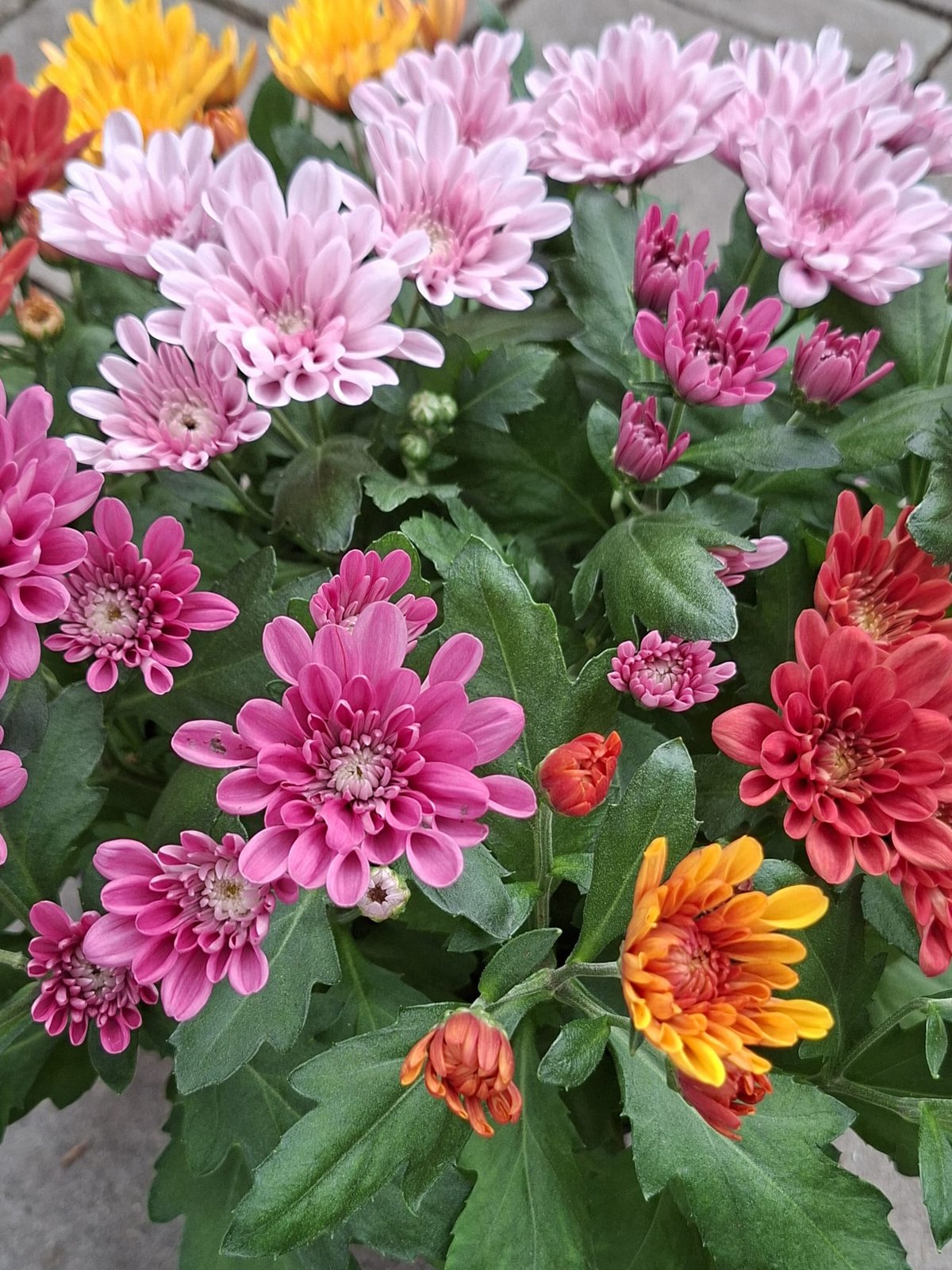
A perennial of the Asteraceae family, native to Asia, it has an upright, branching stem that grows from 20 to 80 cm tall, with alternate leaves of varying shape, often marked by an intense scent.
The flowers are daisy-like or shaped like a pompon, in shades ranging from white to yellow, orange, pink, red and purple, giving us a burst of colour from September to December, triggered by the shortening evening hours. It loves bright spots, withstands temperatures down to -20 °C and prefers fertile, well-drained soil. Water it regularly, but only once the soil has dried out. It does well in a pot or in the garden, and all it needs is light and a little love, like any plant.
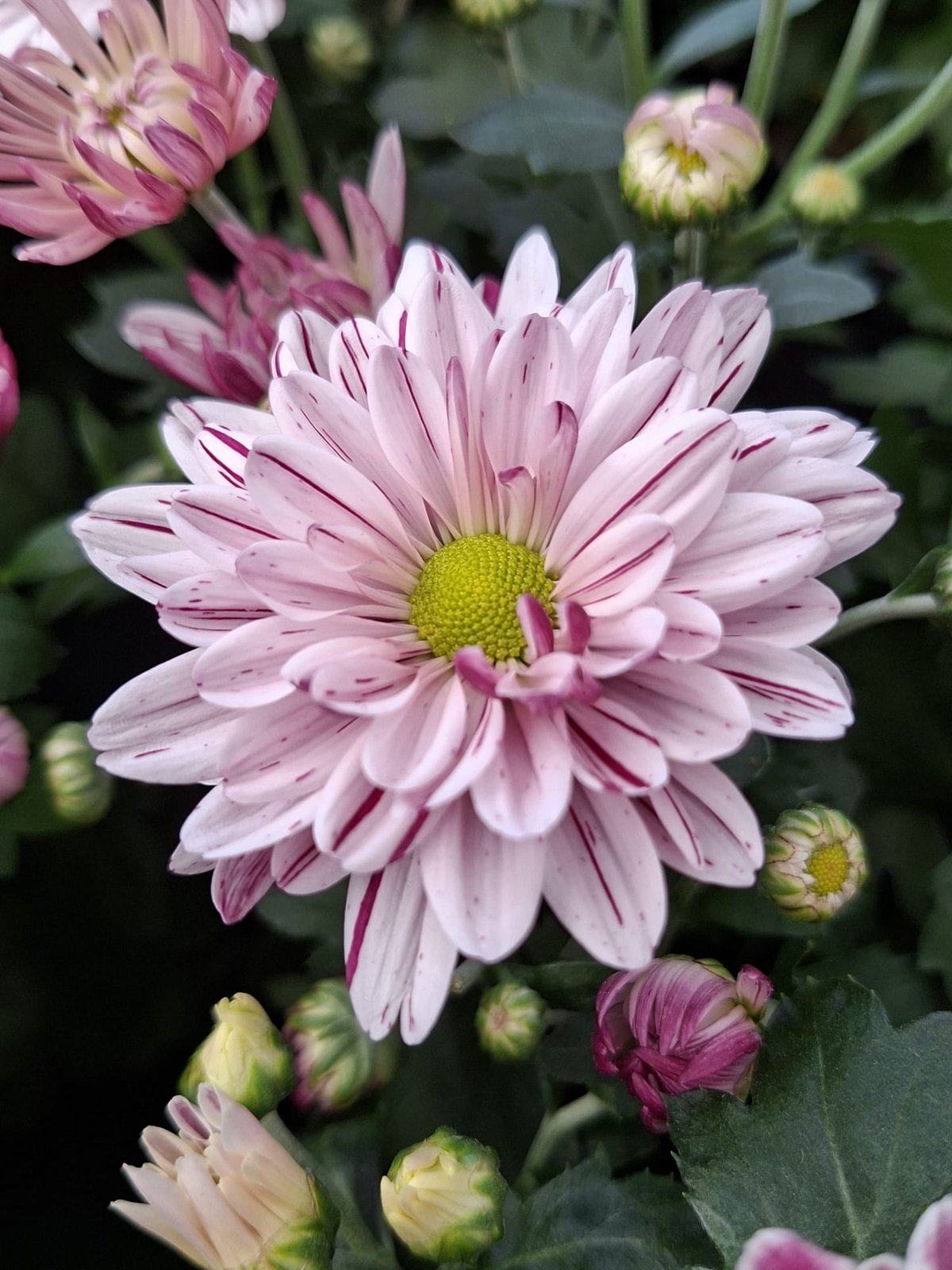
Here is a small curiosity about the chrysanthemum, so that you can appreciate it even more: in the rest of the world (and it is high time Italy followed) it is regarded as a symbol of joy, longevity, vitality and nobility.
I am sure you will find a spot in your garden for this brightly coloured flower, but be careful: it is not pet-friendly and is toxic to dogs and cats, so place it somewhere safe.
Green Tip: as the first cold days arrive, colds are just around the corner. To clear the airways, try a steam inhalation with hot water, baking soda and chamomile (use the flowers, please): an old remedy that is still effective.
Column by Marina Boschetti, “The Green Witch”, for GN Magazine (November 2026).
Read more from GN – November 2026
-
Magnifica Patria di Riviera: Six Centuries Since Lake Garda Turned to Venice
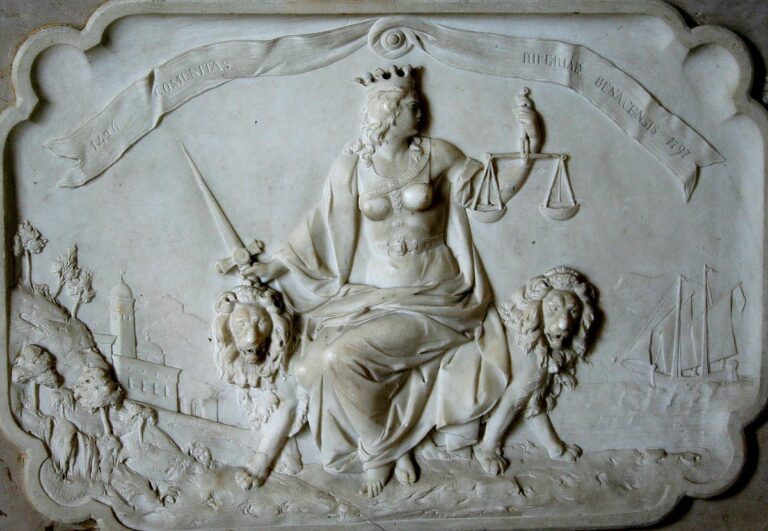
A look at the latest cultural events organised by the Municipality of Salò to mark the sixth centenary of the Magnifica Patria’s dedication to the Republic of Venice on 13 May 1426 On 3 October, the Sala dei Provveditori in Salò‘s town hall hosted the most significant of the fifteen or so conferences planned for […]
-
Lake Ledro and Lake Garda: the Hidden Link Between Peschiera and Molina
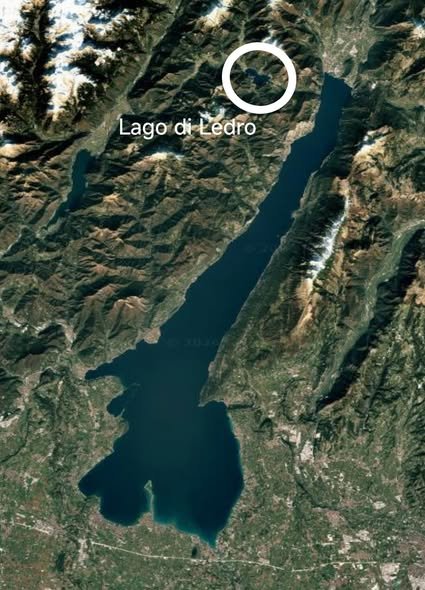
Looking at the two maps that accompany this article, Lake Garda and Lake Ledro seem like two separate worlds, divided by a wall of rock and a drop of some six hundred metres. And yet their waters hide connections that are as unusual as they are fascinating. Lake Ledro is the source of the Ponale […]
-
Madonna di San Polo: the 2021 Apparition and Bishop Sayaogo’s Testimony
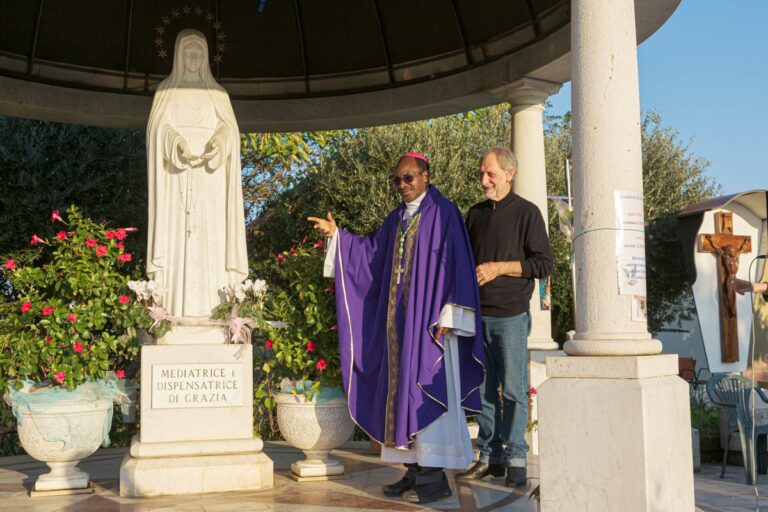
The apparition of 22 May 2021 to three children The story of the Madonna di San Polo in Lonato del Garda continues. Luigi always wished to become known only after his death, and wanted the place itself to become known through what others told about it. That wish was granted on 22 May 2021, when […]
-
Ponale Waterfall: Lessons for Tourism on Lake Garda Today
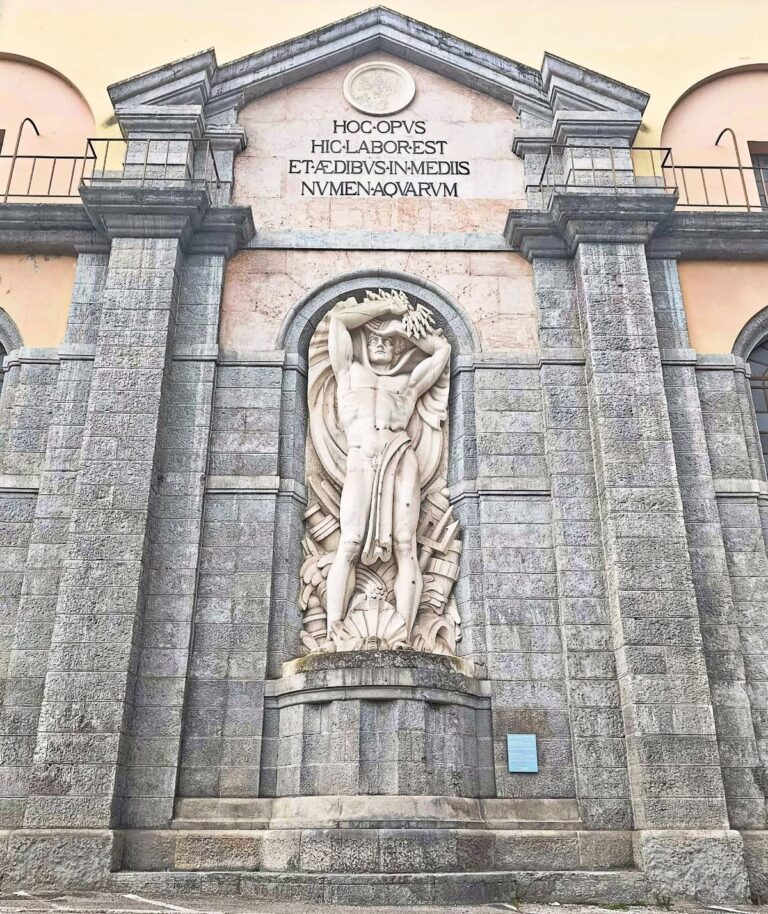
Give yourself a few minutes to read this analysis. It is very relevant to Lake Garda, and it applies just as well to any other area that lives largely on tourism. As is my habit, I will start with a piece of history. It is the late 1920s. The Ponale waterfall, until then roaring and […]
-
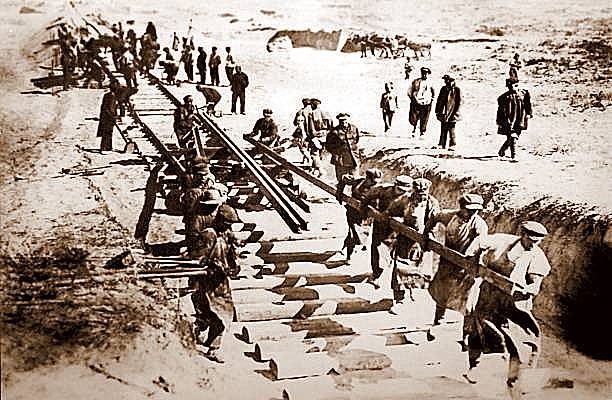
Trans-Siberian Railway: the Friulian Workers’ Dilemma at the End of the Line
You see, Luigi, as work on each section of the railway came to an end, with the rails laid and the first test train arriving, all the free workers, that is, those who were not prisoners or otherwise employed by the Russian state, had to decide where to go on with their lives. For most […]
-
Goethe and Music: the Poet as Singer-Songwriter
Calling Goethe a “singer-songwriter” is certainly a bold move. But if we think of Italian cantautori such as Franco Battiato, Fabrizio De André, Francesco Guccini and Roberto Vecchioni, to name just a few who wrote true poetry set to music, we may dare to call the German poet par excellence a “poet-songwriter”. The music, of […]