Give yourself a few minutes to read this analysis. It is very relevant to Lake Garda, and it applies just as well to any other area that lives largely on tourism.
As is my habit, I will start with a piece of history.
It is the late 1920s. The Ponale waterfall, until then roaring and impetuous as it threw itself into Lake Garda, suddenly ceases to exist as people knew it.
Its flow is drastically reduced upstream so that the water can be channelled to the new Ponale hydroelectric power station at Riva del Garda.
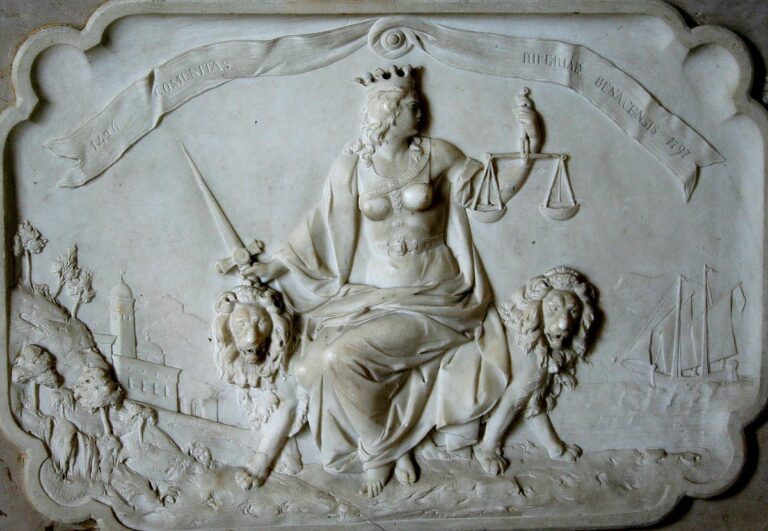
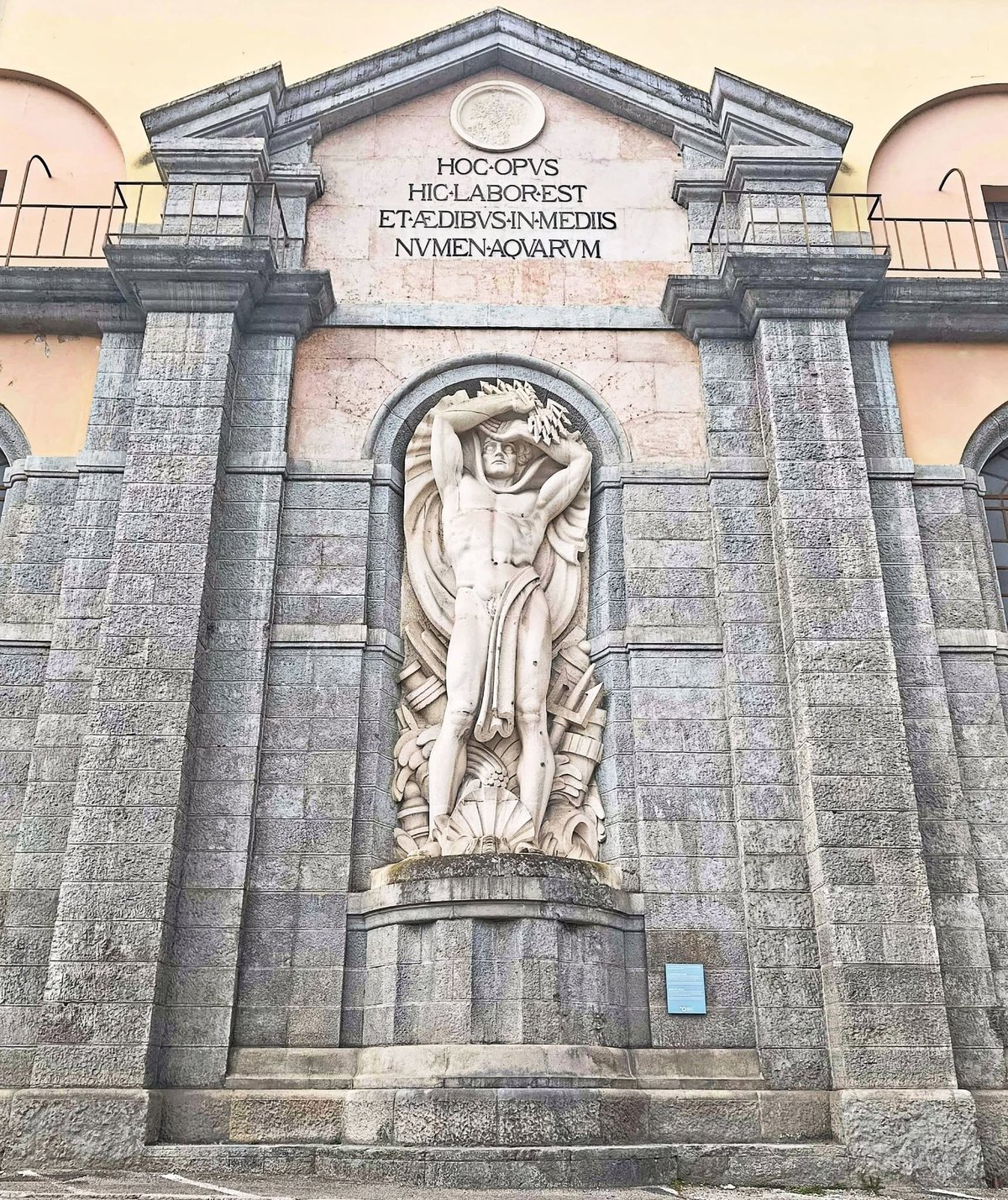
“Hoc opus hic labor est et eadibus in mediis numen acquarium“, translated as: “Here lies the enterprise, here the toil, and at the heart of the building dwells the deity of the waters”.
The words are by Gabriele D’Annunzio, set above the sculpture created by Silvio Zaniboni in 1931 on the outside wall of the Ponale power station, which you can still see clearly today as you drive from Riva towards Limone (first photo).
The work perfectly expresses the pride, the sense of mission and the “cult” of innovation of those years: a strong drive for industrial and technical progress, in which hydroelectric power was the top priority and the sine qua non for fulfilling those ambitions.
But, as people would discover from then on, everything comes at a price.
The enthusiasm of the moment made drastic environmental changes inevitable and non-negotiable, a price to be paid without too many second thoughts: it must be done, it will be done.
Yet that waterfall was a historic symbol of Lake Garda, and its “end” marked the start of a change in mindset that we are still living through today.
Here are a few illustrious sources that help me imagine (and this is my personal view) how that ideal of beauty took shape between Romanticism and the Belle Époque, carrying Lake Garda to where it stands today: one of the most successful tourist destinations in Europe.
– Johann Wolfgang von Goethe (Italian Journey, 1786): in his famous travel diary he described the spectacular rock faces of Riva and the Ponale seen from the lake, mentioning the waterfall too, and so launched the myth of Lake Garda as the German world’s gateway to the Mediterranean.
– Heinrich Heine (Reisebilder – Travel Pictures, 1828): the German Romantic poet described the area around Riva, capturing the contrast between the harsh rocks and the vegetation, between citrus trees and wild plants, and called these places full of natural poetry.
– The Baedeker guide and other Central European guidebooks (19th century): the famous Karl Baedeker editions, the “bible” of nineteenth-century travellers (a sort of Lonely Planet ahead of its time, I like to think), listed the Ponale waterfall as an absolute must and gave special mention to the boat trip from Riva to the gorge of the falls.
– Cesare Cantù and the Italian chronicles of the Risorgimento: Cantù and other nineteenth-century Italian scholars described the waterfall as one of the hydro-geological wonders of the Italian Tyrol.
With a little help from artificial intelligence to put this small search for sources into the right chronological order (I say so in fairness), we can see how a “natural monument” managed to fix in the collective imagination an ideal of beauty strong enough to be handed down for generations.
Back to where we started: once the waters of Lake Ledro had been harnessed for electricity, conflicting feelings arose, and time has since widened and hardened them right up to the present day.
The newspapers of the time (such as Il Brennero) reported, on the one hand, pride in a piece of engineering at the cutting edge in Europe and, on the other, the bitter disappointment of Riva’s tourism operators, who watched a golden destination of the nineteenth-century Grand Tour disappear.
Local historians and essayists of the mid-twentieth century saw the loss of the waterfall as the final watershed, and summed it up like this: the end of the “Garda of the poets” and the beginning of the “Garda of the power plants“.
Today they would probably say: “a Garda built for tourist consumption”.
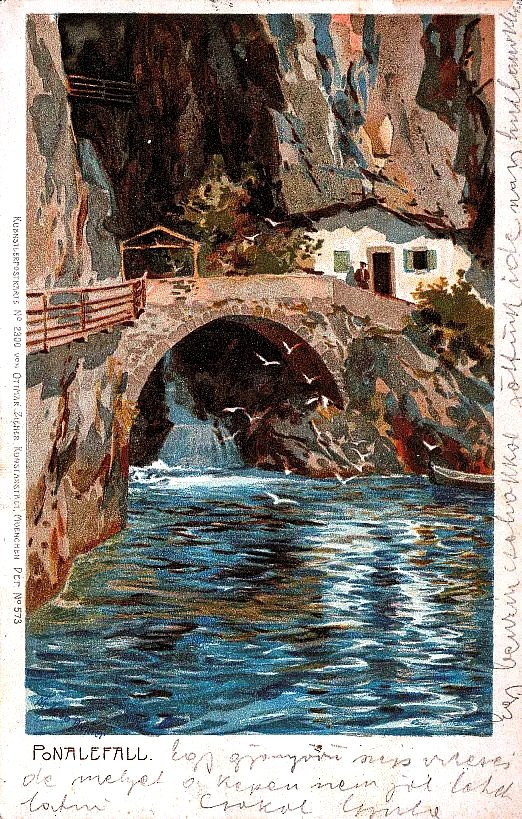
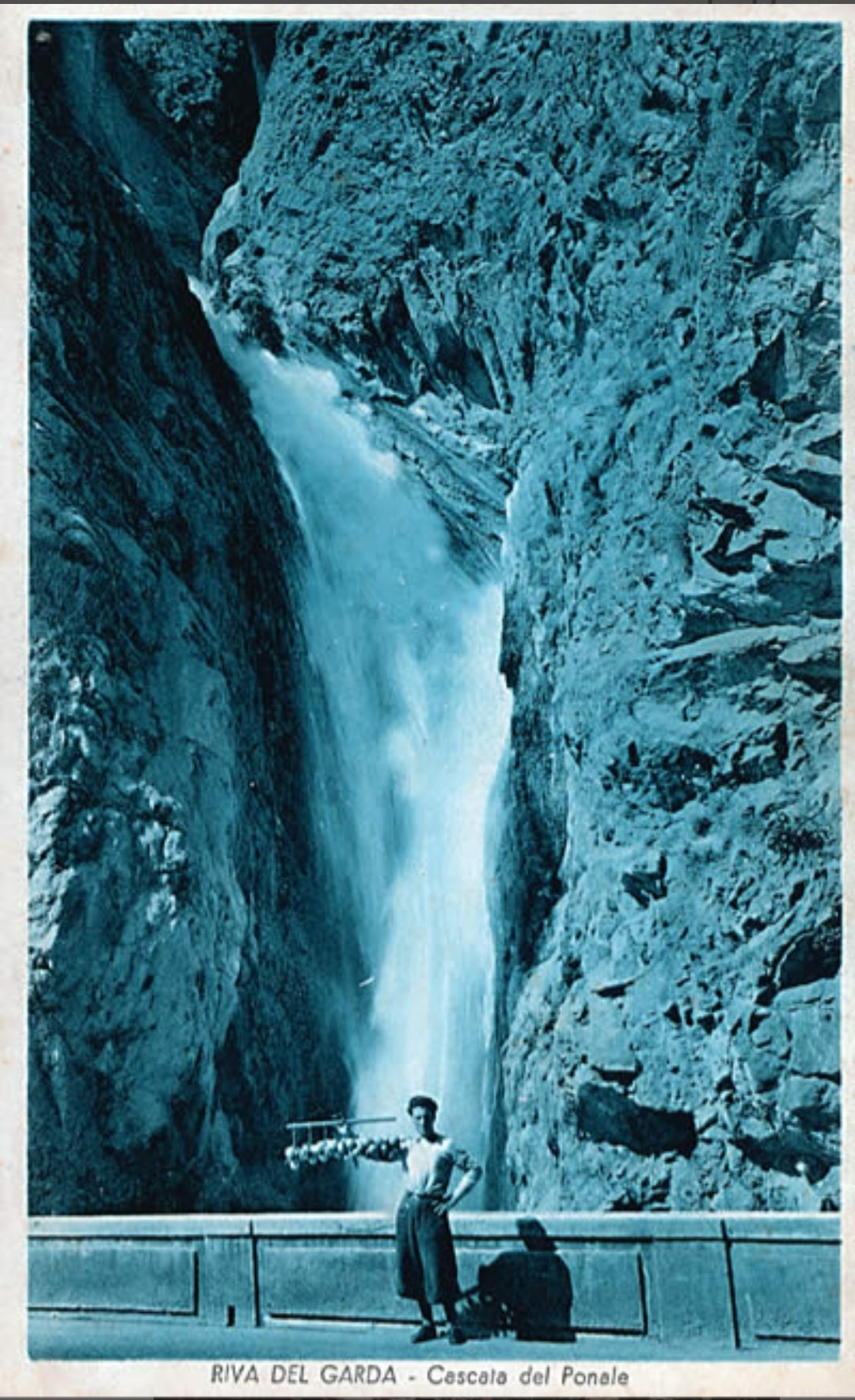
In their writings the waterfall was called “a vanished dream”, remembered only through nineteenth-century engravings and the first photographic postcards.
D’Annunzio, who followed the construction of the plant closely, celebrated in his letters and speeches of the time the tamed power of water and electricity, embodying the Futurist vision of nature subdued to the power of the machine.
And this is where, with the necessary background in place, the argument can be brought up to date.
For decades, and I would say still today, tourism infrastructure has been seen as an environmental cost needed to generate profit and economic growth: then it was kilowatt-hours, today it is holiday accommodation.
This economic growth should not be demonised with the benefit of hindsight, since it has also produced services and infrastructure we would find hard to give up today, as well as jobs and prosperity for hundreds of thousands of families.
Just think of the Gardesana road along the northern shore (late 1920s and 1930s), which cut through part of the mountains and the coastal landscape: no one, I believe, would want back the paths that could barely be travelled by mule.
Some historic infrastructure is unquestionably useful, built on land that was limited even then, but it cannot be stretched forever to meet needs and trends that keep changing.
What we have must be understood, what exists must be made the most of, and what has been destroyed must be “regenerated”.
When I look at projections for the future of Lake Garda, what worries me is the sense of limits, because it seems impossible to read, or simply taboo.
Infrastructure of any kind should, wherever possible, become a tool and an opportunity for environmental regeneration and recovery, because I see no real way out of the dead end of overtourism (another taboo that seems unspeakable in some circles) and of the consumption of the landscape and its natural features.
You cannot add a storey to a house if the foundations cannot bear the extra load, or the building will collapse.
So it is the parallel with history that gives us the following food for thought.
Yesterday, which in many ways is still today, infrastructure bent the natural environment to human purposes (the waterfall lost to produce energy is one example), accepting the change to the Romantic landscape as the price of inevitable and necessary progress.
Today, which I hope will be the age of regeneration, infrastructure will have to blend in and work together with nature, helping it recover or rebuilding the conditions for life where past damage has been almost total.
This is the birth of a new model of development, not the end of development.
The modern paradox is that, while in the past people believed they could separate themselves from nature in order to progress, today, with a little study, we should realise the opposite: sustainable tourism depends directly on the health of the ecosystem, without which nothing stands.
What is more, the tourism development of a destination today should first and foremost meet the needs and the quality of life of its residents, and that is another complex issue to face.
➢ What is your own “Ponale waterfall” today, the place close to your heart that you would like never to change?
➢ And which comforts would you really be prepared to give up to save it?
➢ What sense of limits would help us reconcile protection and progress?
If you would like to reply, all your thoughts will be welcome: let us try to do it politely, constructively and with a sense of reality.
Article by Filippo Gavazzoni for GN Magazine (November 2026).
Read more from GN – November 2026
-
Magnifica Patria di Riviera: Six Centuries Since Lake Garda Turned to Venice
A look at the latest cultural events organised by the Municipality of Salò to mark the sixth centenary of the Magnifica Patria’s dedication to the Republic of Venice on 13 May 1426 On 3 October, the Sala dei Provveditori in Salò‘s town hall hosted the most significant of the fifteen or so conferences planned for […]
-
Chrysanthemum: November’s Flower for All Saints
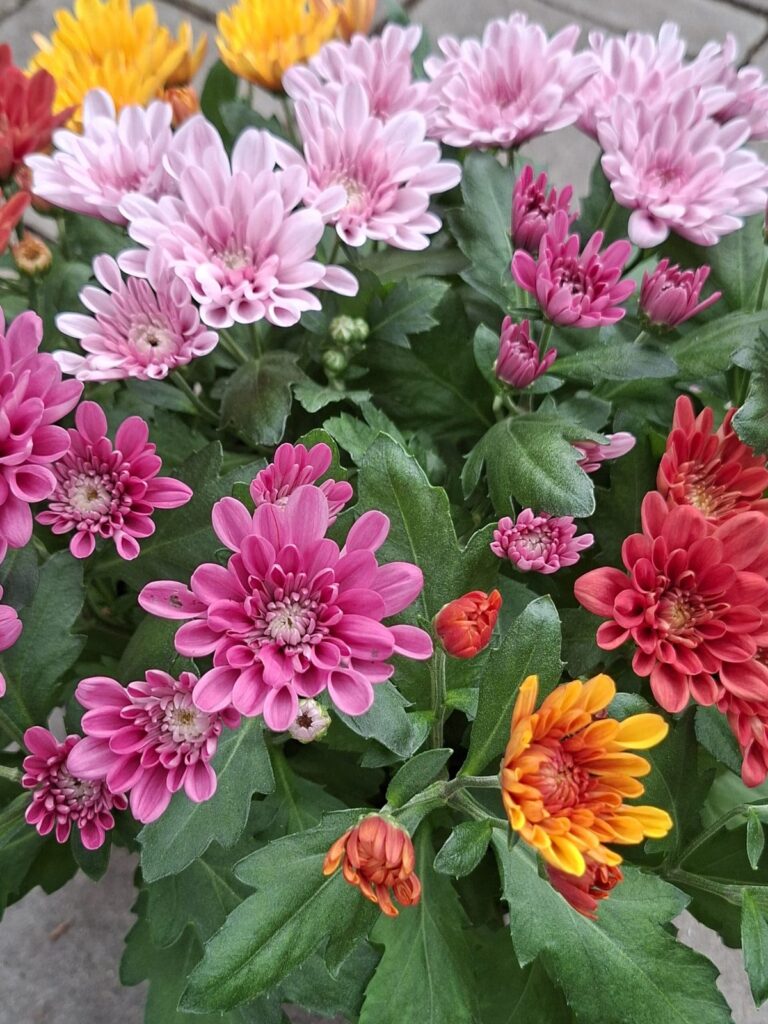
This month I want to talk about a plant you can find everywhere at this time of year, and one tied to a very particular occasion: the chrysanthemum, the flower traditionally brought to our departed loved ones on All Saints’ Day. It is a hardy plant, and it is always in bloom at this point […]
-
Madonna di San Polo: the 2021 Apparition and Bishop Sayaogo’s Testimony
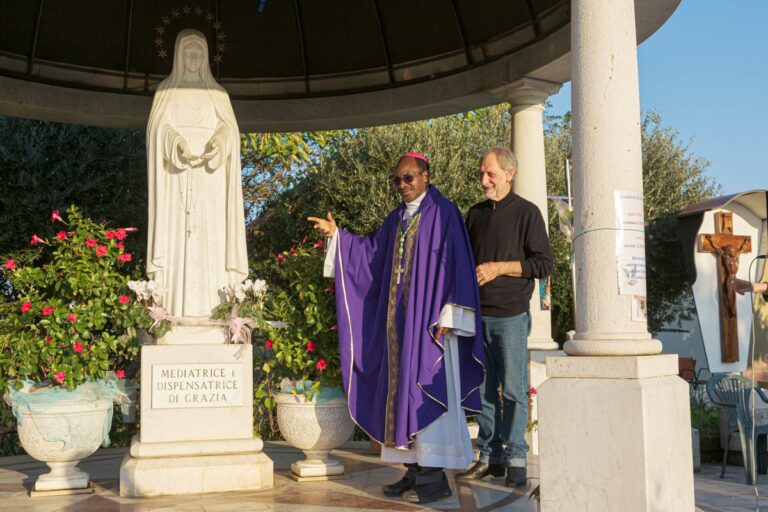
The apparition of 22 May 2021 to three children The story of the Madonna di San Polo in Lonato del Garda continues. Luigi always wished to become known only after his death, and wanted the place itself to become known through what others told about it. That wish was granted on 22 May 2021, when […]
-
Lake Ledro and Lake Garda: the Hidden Link Between Peschiera and Molina
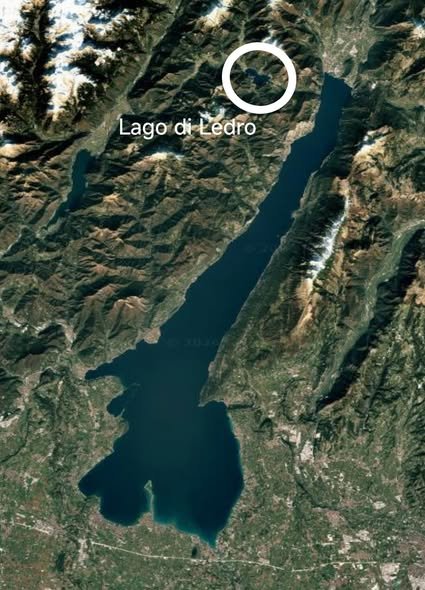
Looking at the two maps that accompany this article, Lake Garda and Lake Ledro seem like two separate worlds, divided by a wall of rock and a drop of some six hundred metres. And yet their waters hide connections that are as unusual as they are fascinating. Lake Ledro is the source of the Ponale […]
-
Trans-Siberian Railway: the Friulian Workers’ Dilemma at the End of the Line
You see, Luigi, as work on each section of the railway came to an end, with the rails laid and the first test train arriving, all the free workers, that is, those who were not prisoners or otherwise employed by the Russian state, had to decide where to go on with their lives. For most […]
-
Goethe and Music: the Poet as Singer-Songwriter
Calling Goethe a “singer-songwriter” is certainly a bold move. But if we think of Italian cantautori such as Franco Battiato, Fabrizio De André, Francesco Guccini and Roberto Vecchioni, to name just a few who wrote true poetry set to music, we may dare to call the German poet par excellence a “poet-songwriter”. The music, of […]