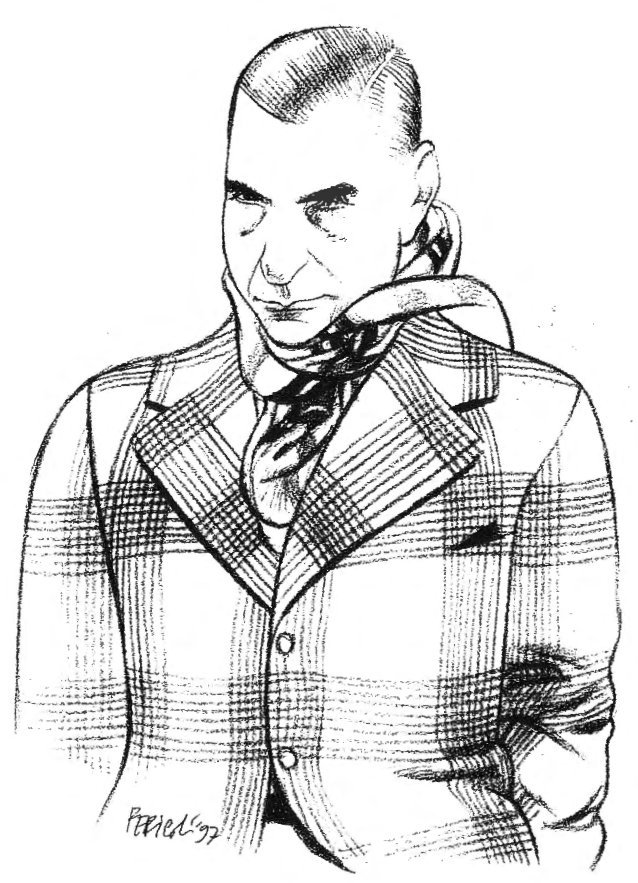

After September 8, 1943, he was arrested by order of Badoglio and later by the Americans, but was soon released and took part in the war of liberation as a liaison officer between the Italian Army in the South and the Anglo-Americans, who were advancing up the peninsula following the landings in Sicily, and later at Salerno and Anzio.
It is during this latter period that the novel The Skin (La Pelle) was conceived—written in 1944 but published first in France in 1949, where it enjoyed a sensational success, while in Italy it sparked fierce controversy and scandal.
Malaparte also tried his hand at theater, staging various plays with mixed fortunes, and even ventured into cinema with the film ‘The Forbidden Christ’ (Il Cristo proibito), starring Raf Vallone, Gino Cervi, Rina Morelli, and Annamaria Ferrero. He acted as both producer and director, winning an award at the Berlin International Film Festival in 1951.
In the years 1953–1955, he wrote a widely followed readers’ column in the weekly magazine Tempo, later collected in the volume ‘Two Years of Bickering’ (Due anni di battibecco), published by Garzanti in 1955.
Huge success (24 editions in a single year) was also achieved by the book Accursed Tuscans (Maledetti toscani, 1956), in which he crafted an apology of ‘Tuscanity’ (‘it would be a greater fortune if in Italy there were more Tuscans and fewer Italians’) and above all of Prato, his hometown. To Prato, the ‘city of rags’ with its rag-pickers (cenciaioli), he dedicated an extraordinary and widely known passage, which we wish to reproduce here:
“Yet often, out of those bales of rags came uniforms from all the armies of the world, and clothes of every kind: from the red coats of British soldiers in India to the ‘garance’ trousers of French infantrymen, from the transparent linen tunics of the women of Calcutta and Bombay, to undergarments, shirts, and corsets bristling with whalebone stays, to every species of women’s clothing gathered by the chiffonniers of Paris—which the rag-pickers put on for a joke, looking like plague-gravediggers. And once, in a heap of rags coming from Sicily, Scaracchia of San Fabiano found a torn, faded tricolor rag: it was the very flag that the Italian women of Valparaíso, in Chile, had offered to Giuseppe Garibaldi, the same one that Schiaffino from Camogli held high in his fist at Calatafimi before disappearing with it into the fray. It was the most glorious of Italian flags; and that it ended up in Prato, in a heap of rags, might amaze anyone—except the people of Prato.”
“Who know that all of Italy’s history ends up in Prato, and all in rags: glories, miseries, revolts, battles, victories, defeats.”
“Where have the red shirts of Garibaldi’s men at Mentana gone, the uniforms of Pius IX’s soldiers, of the volunteers of Curtatone and Montanara, of the Bersaglieri of Porta Pia? Where are the Carbonari, Giovane Italia, and Novara, Lissa, Custoza, and a ‘Free Church in a Free State’? Where have the garments gathered in every town and village of Italy gone to succor the survivors of the Messina earthquake, the flooding of the Polesine, the cloudburst of Amalfi and Salerno? Everything ends up in Prato: flags of every nation, uniforms of generals and soldiers of every army, priests’ cassocks, monsignors’ stockings, cardinals’ purples, magistrates’ robes, jackets of carabinieri, cops, and jailers, bridal veils, yellowed lace, newborns’ swaddling clothes. Even the civilian suit King Umberto was wearing in Monza when Gaetano Bresci, who was from Prato, shot him to death with pistol fire, ended up in Prato, in a bale of rags. (And it was never known whether it ended up there by chance, or if it was a thoughtful gesture by Queen Margherita, or King Victor his son, to sell to the people of Prato, as a rag, King Umberto’s suit bullet-riddled by a Prato native).”
“And not only Italy’s history, but that of all Europe ends up in Prato, from the most remote times, ever since the people of Prato began making woolen cloth from the world’s discarded rags.”
Alberto Pachera
Read more from GN Magazine – August 2026
-
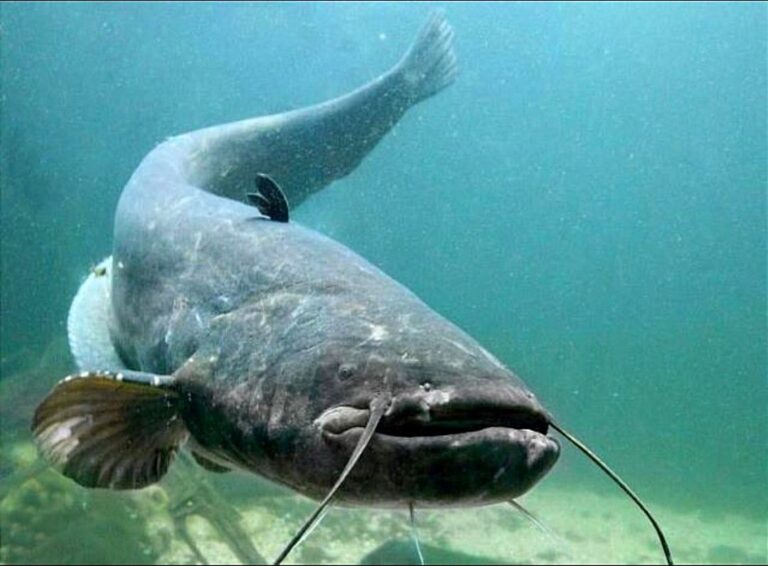
Wels Catfish Lake Garda Emergency: Contextualizing Environmental Challenges
Explore the Wels Catfish Lake Garda Emergency by Filippo Gavazzoni: containment strategies, native fish protection, and sewage purification priorities.
-
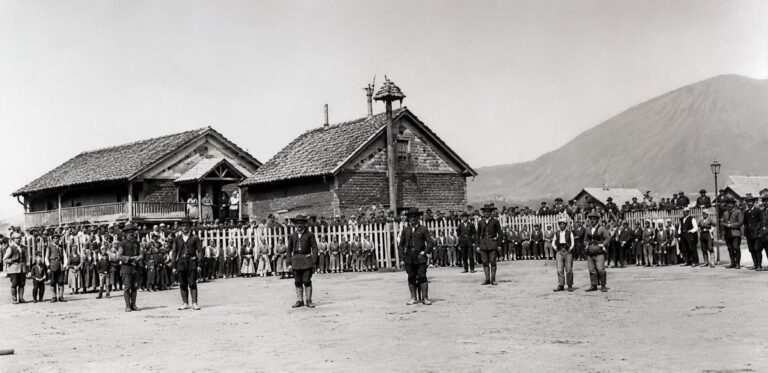
Trans-Siberian Railway: History of the World’s Longest Line
Discover the epic history of the Trans-Siberian Railway, spanning 9,288 km across Russia, built through immense determination, foreign engineering, and sheer human endeavor.
-
Borage Edible Flowers Green Advice: The Green Witch August Guide
Discover Borage Edible Flowers Green Advice by Marina Boschetti: cultivation tips, culinary uses in savory pies, and eco-friendly water recycling.
-
GN Magazine – August 2026
Digital index and English edition of GN Magazine August 2026 (Issue 212). Discover articles on Lake Garda history, culture, and nature.
-
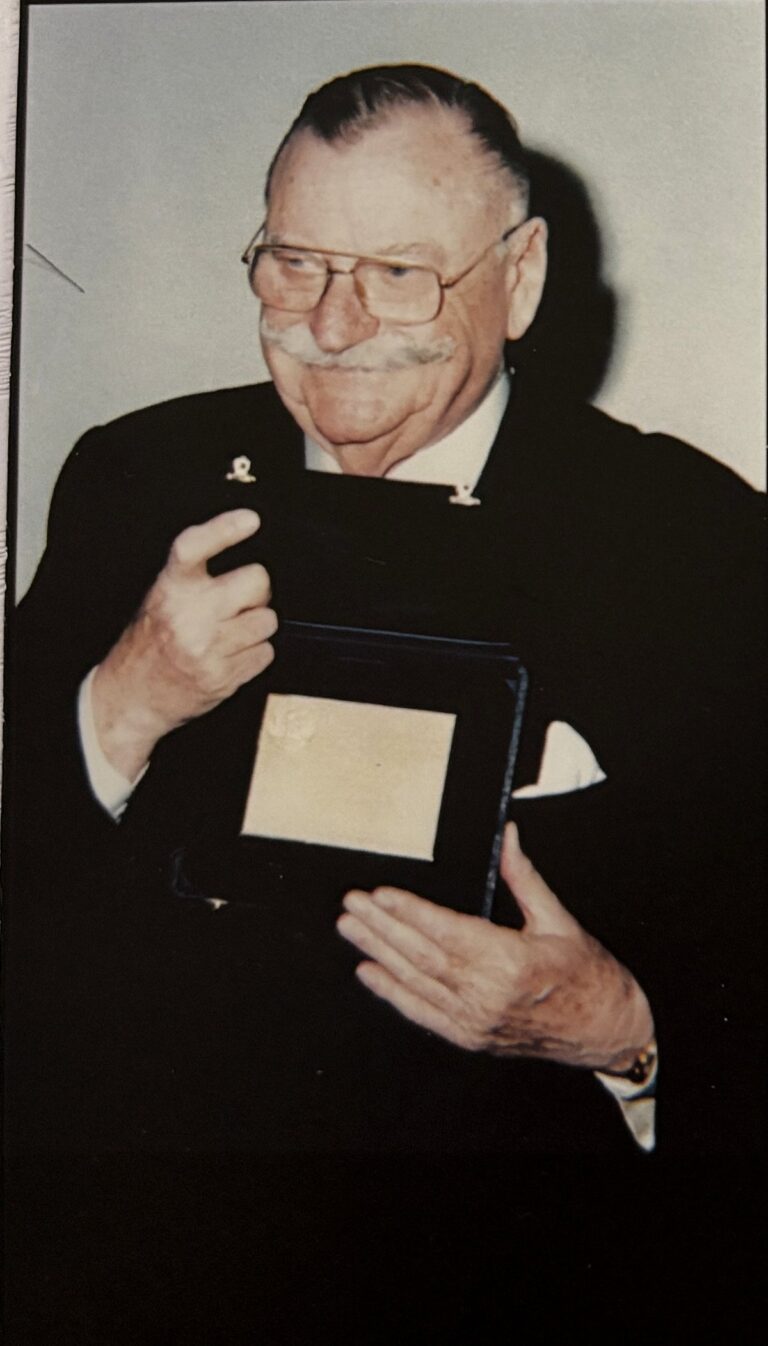
Terme di Sirmione Count Rambaldo di Collalto: Legacy of Spa Excellence
Discover the history of Terme di Sirmione Count Rambaldo di Collalto: 40 years of visionary leadership, Catullo spa foundation, and medical innovation.
-
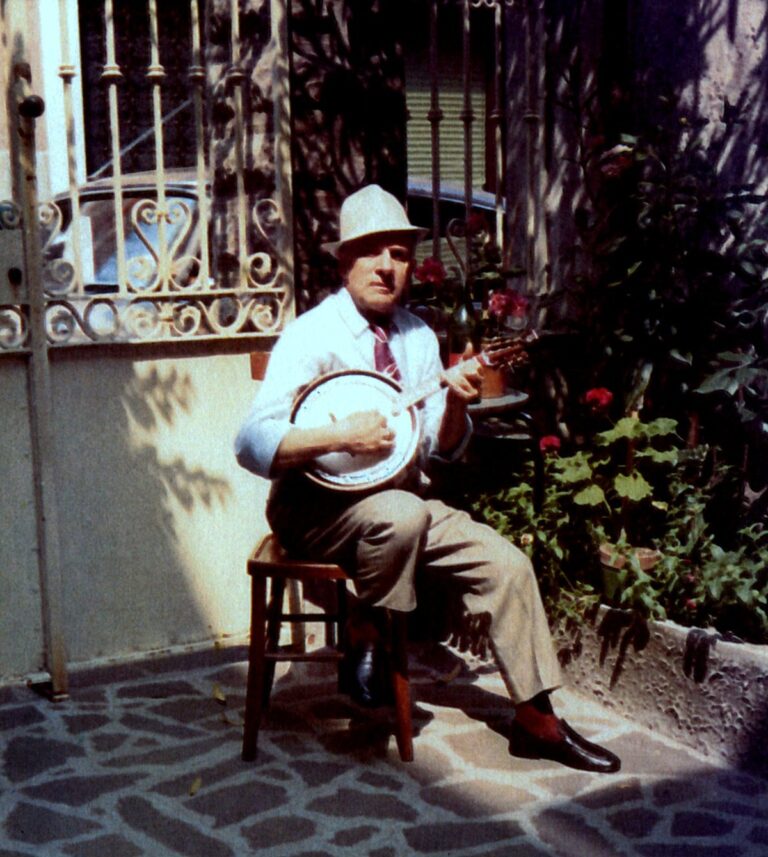
Emilio Berti and Lake Garda’s Mandolin Tradition: Adriana’s Memories
Discover the story of Emilio Berti (1908-1987) and Lake Garda’s mandolin tradition, preserved through music, family memories, and passion.