The 1525 Peasant Revolts—known throughout Central Europe as the Bauernkrieg—erupted five centuries ago across the Alpine valleys of Tyrol and the Prince-Bishopric of Trentino, challenging feudal power structures and raising profound questions about technology, labour, and governance that remain startlingly urgent today.
Marking this 500th anniversary, the MUSE and Palazzo delle Albere in Trento organized a landmark symposium entitled “1525. Revolts, Society, Environment” alongside the major exhibition “The Power of Machines: Humanity, Environment, Technology in 16th-Century Trentino”.
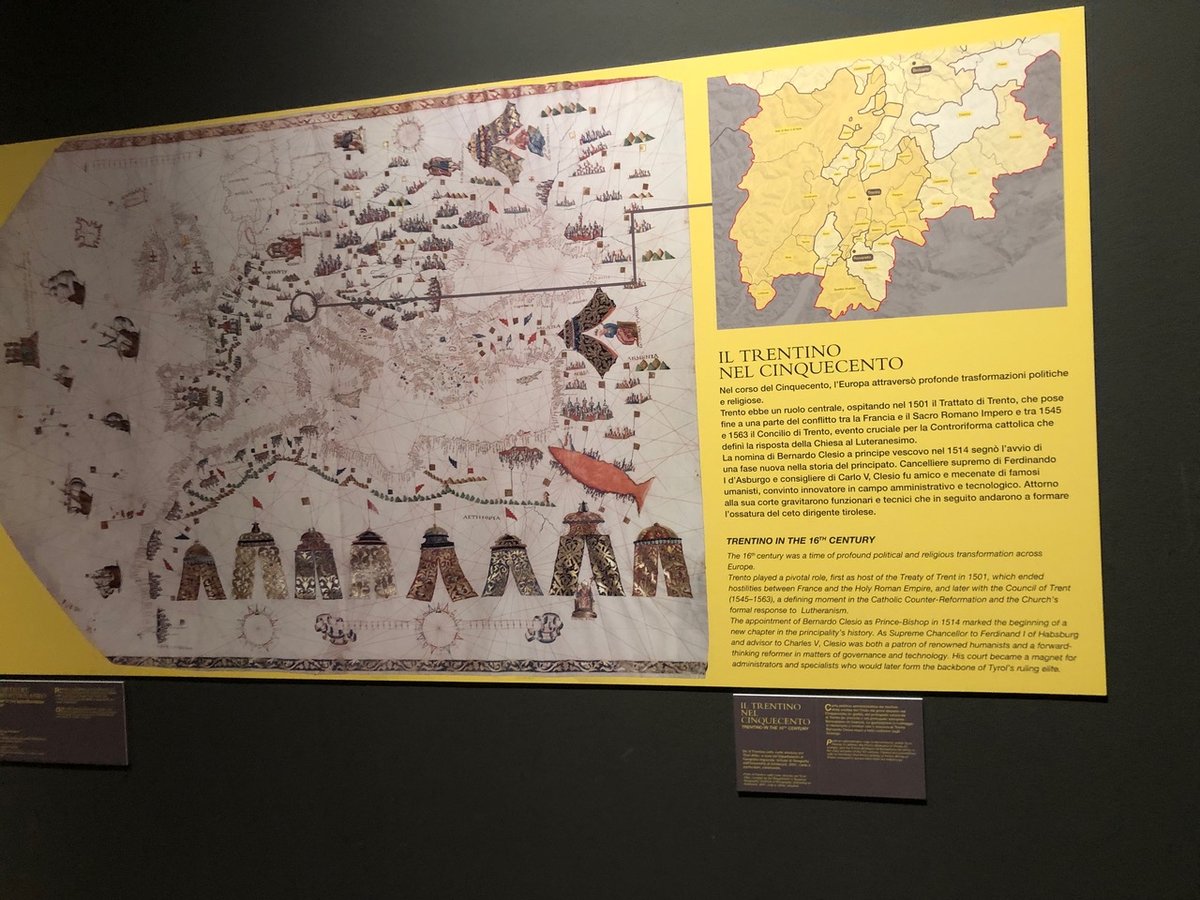
Tensions had long simmered over mounting tax levies, noble enclosures of communal forests and pastures, and disputes surrounding the burgeoning mining industry. Following the public execution of Peter Passler in Bressanone in May 1525, rural discontent exploded into armed rebellion. Under the leadership of Michael Gaismair, an articulate former mining clerk from Sterzing (Vipiteno), insurgents seized episcopal castles across the Noce Valley, Valsugana, and Vallagarina. Prince-Bishop Bernardo Clesio was forced to flee Trento, finding refuge in the lakeside fortress of Riva del Garda.
The rebels codified their demands in the Articles of Merano, seeking tax relief, equitable justice, and communal representation. When the military backlash eventually quelled the uprising, Gaismair escaped to Zurich. Collaborating with the Swiss reformer Huldrych Zwingli, he drafted the visionary 1526 Landesordnung (State Constitution): a revolutionary egalitarian blueprint proposing agrarian reforms, social welfare, and the public nationalization of the lucrative mining sector to prevent exploitation by private merchant syndicates.
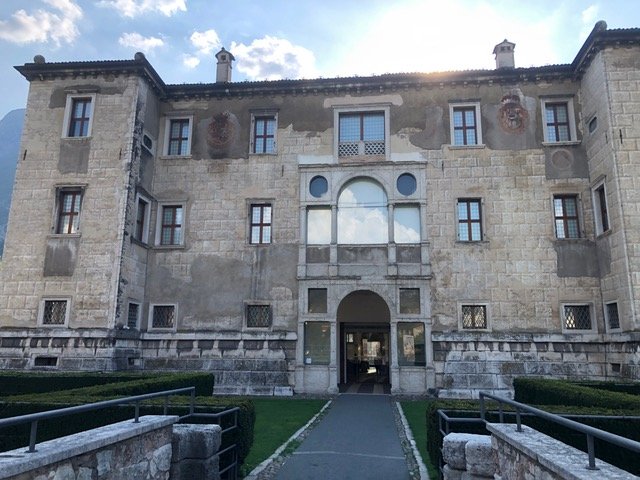
Bernardo Clesio and Michael Gaismair embodied two irreconcilable visions of the Renaissance world: Clesio defending ecclesiastical authority and established dynastic hierarchy; Gaismair championing participatory governance and economic redistribution. Though Gaismair was assassinated in exile in Padua in 1532, the ideals of religious toleration, communal rights, and human dignity sparked by the 1525 uprising nourished the centuries-long journey toward modern constitutional democracy.
Ultimately, the exhibition links the history of machinery with the struggle for human liberation. As in the 16th century, modern technological breakthroughs are never mere mechanical tools: they reshape power dynamics, resource control, and environmental balances. The central question remains unchanged: does technology serve to emancipate people from hardship, or does it become a new instrument for their subjugation?
Curated by Maria Teresa Martini for GN Magazine.
Read more from GN – October 2026
-
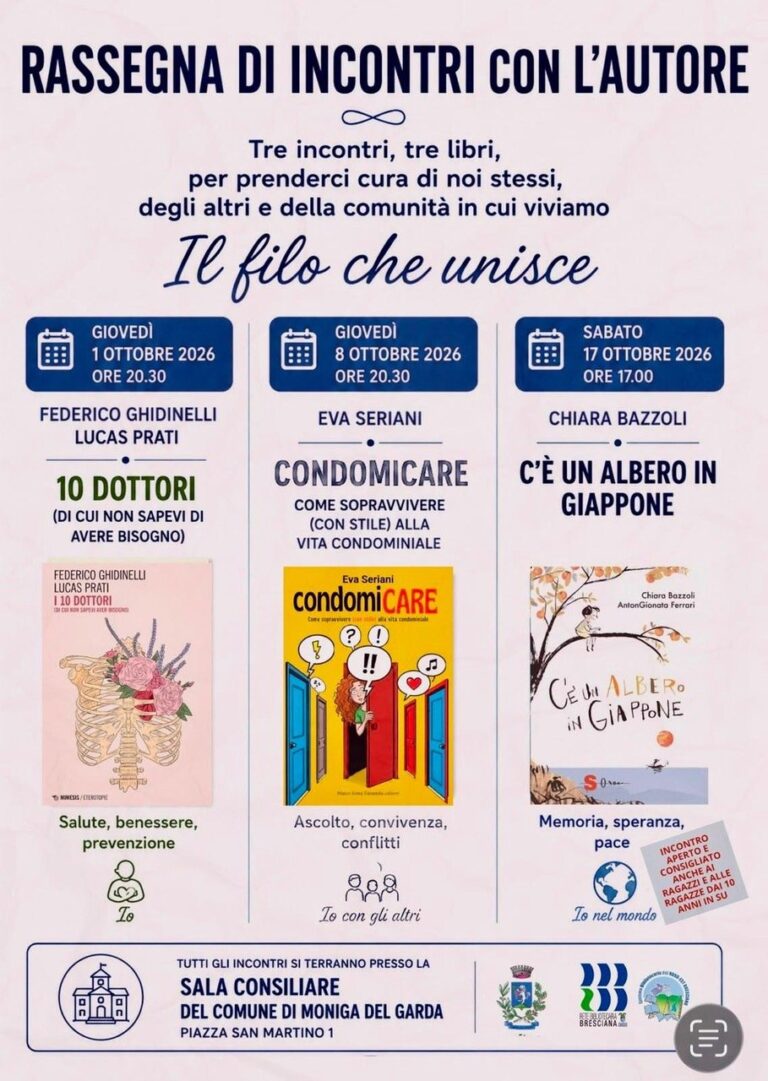
The Thread That Connects: Autumn Cultural Encounters in Moniga del Garda
A three-part cultural series in Moniga del Garda exploring personal wellbeing, community dialogue, and the memory of peace with authors Ghidinelli, Prati, Seriani, and Bazzoli.
-
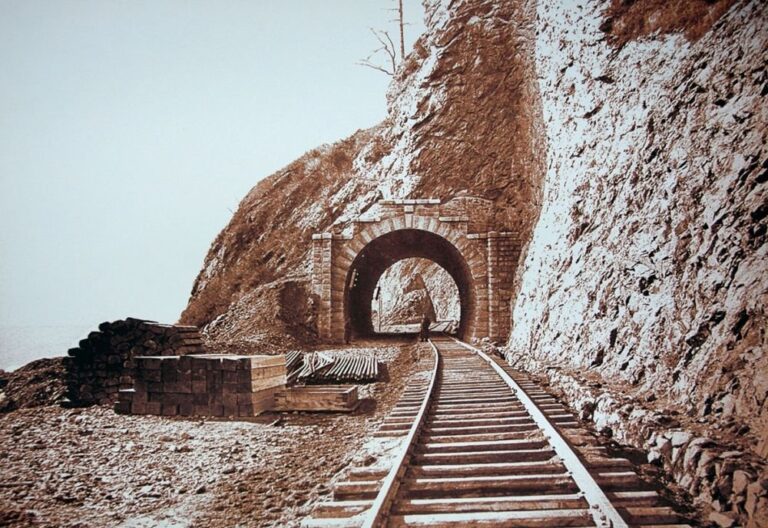
Trans-Siberian Railway: Friulian Stonemasons on Lake Baikal
The Trans-Siberian Railway represents one of the most astonishing engineering feats in human history, and along the dramatic, granite-bound shores of Lake Baikal, its realization was indelibly shaped by the hands and sweat of master Italian stonemasons, chiefly from Friuli. Construction around Lake Baikal demanded unrelenting perseverance under brutal sub-Arctic conditions. Work proceeded non-stop, 24 […]
-
Great Voices at the Sirmione Thermal Spa: From Arrigo Boito to Maria Callas
Great Voices at the Sirmione Thermal Spa have long found a haven of inspiration and therapeutic renewal on the shores of Lake Garda, beginning with the Paduan composer Arrigo Boito. In the winter of 1901–1902, following the passing of Giuseppe Verdi—for whom he had written the immortal librettos to Otello and Falstaff—Boito took up residence […]
-
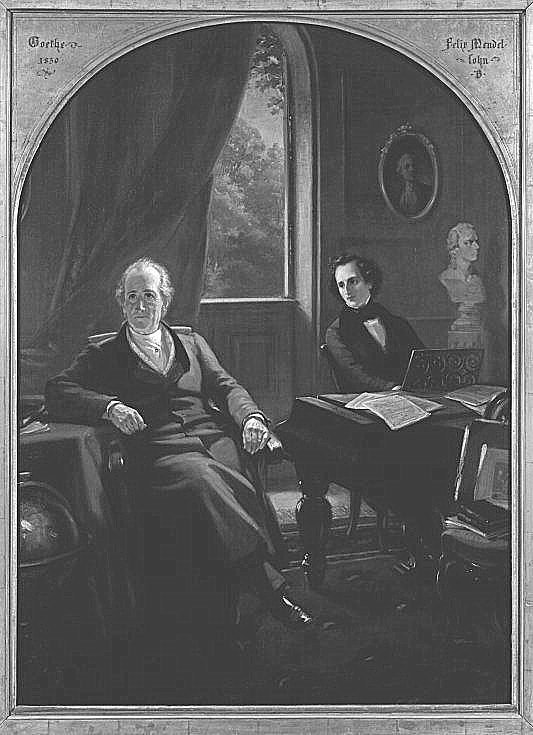
Goethe on Lake Garda: Musical Friendships with Zelter and Mendelssohn
Goethe on Lake Garda famously uncovered the luminous gateway to Italy in September 1786, but few realize how deeply the great German poet’s visual impressions were intertwined with an enduring passion for music that would link him to Carl Friedrich Zelter and the young prodigy Felix Mendelssohn. Johann Caspar Goethe (1710–1782) had imposed rigorous intellectual […]
-
Saint Angela Merici: The Spiritual Heart of Lake Garda and the Magnifica Patria
Saint Angela Merici remains one of the most transformative spiritual and social figures of Renaissance Italy, uniting the shores of Lake Garda, the city of Brescia, and the maritime civilization of the Venetian Republic in an enduring legacy of lay leadership and feminine education. Born on March 21, 1474, in Desenzano del Garda—then a prosperous […]
-
Lazzaretto of Salò: Venice’s Plague Defense on Lake Garda
The Lazzaretto of Salò stands as a formidable historical monument to Renaissance public health and maritime disease containment, linking the sanitary cordon of the Venetian Republic directly to the western shores of Lake Garda. On Saturday, October 24, 2026, the Municipality of Salò and the ASAR (Historical-Archaeological Association of the Riviera) host a major conference […]