Saint Angela Merici remains one of the most transformative spiritual and social figures of Renaissance Italy, uniting the shores of Lake Garda, the city of Brescia, and the maritime civilization of the Venetian Republic in an enduring legacy of lay leadership and feminine education.
Born on March 21, 1474, in Desenzano del Garda—then a prosperous township within the federation known as the Magnifica Patria—Angela absorbed the devout, outward-looking culture of Venice from earliest childhood. Her father, Giovanni Merici, read aloud the lives of the saints from elegant volumes printed in Venice, the capital of Renaissance typography. When orphaned at age ten, Angela moved to Salò to live with her maternal uncle, remaining there until age twenty-three. It was in Salò’s magnificent Cathedral and Franciscan church of San Bernardino that her deep interior life matured.
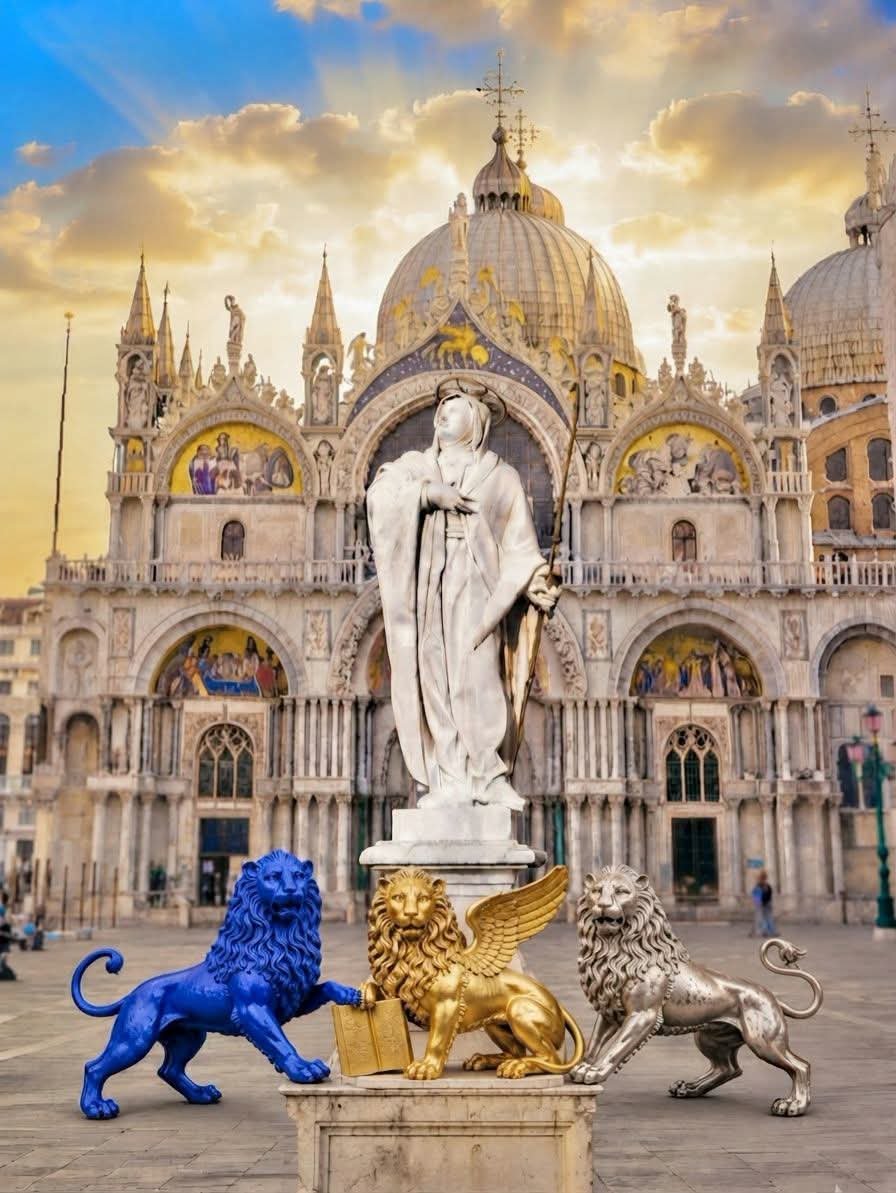
The geopolitical fabric that shaped Angela’s life was the Communitas Riperiæ Lacus Gardæ Brixiensis, elargated the proud title of “Magnifica Patria” and “Firstborn Daughter of the Serenissima” by Doge Francesco Foscari in 1426. Governed directly under the protection of Venice and fiercely autonomous from Brescia, Salò served as its political and cultural capital, bearing the heraldic silver lion rampant on a field of red.
In 1524, Angela embarked on a perilous pilgrimage to the Holy Land aboard a Venetian galley. While sailing near Venetian Crete, she was struck by sudden and total physical blindness. Demonstrating unconquerable fortitude, she refused to abandon the pilgrimage, visiting the Holy Sepulchre and the holy shrines through “the eyes of the spirit”. Miraculously, upon returning through Crete, her sight was restored while praying before a crucifix. When their ship narrowly escaped catastrophic shipwreck on the voyage home, fellow passengers attributed their survival to her prayer.
Upon landing at Saint Mark’s in Venice in late 1524, news of the miracle and her radiant sanctity spread swiftly. Patricians, senators, and prelates flocked to consult her. Venetian authorities implored her to take permanent leadership over the Republic’s charitable institutions and hospitals. Yet Angela politely declined the tempting offer: she knew her true mission lay inland.
In 1535 in Brescia, Angela founded the Company of Saint Ursula (the Ursulines). It was a revolutionary spiritual model: consecrated women living not behind monastery cloister walls, but actively within their families and communities, educating girls and sanctifying civil society. Canonized by Pope Pius VII in 1807, her feast is celebrated on January 27.
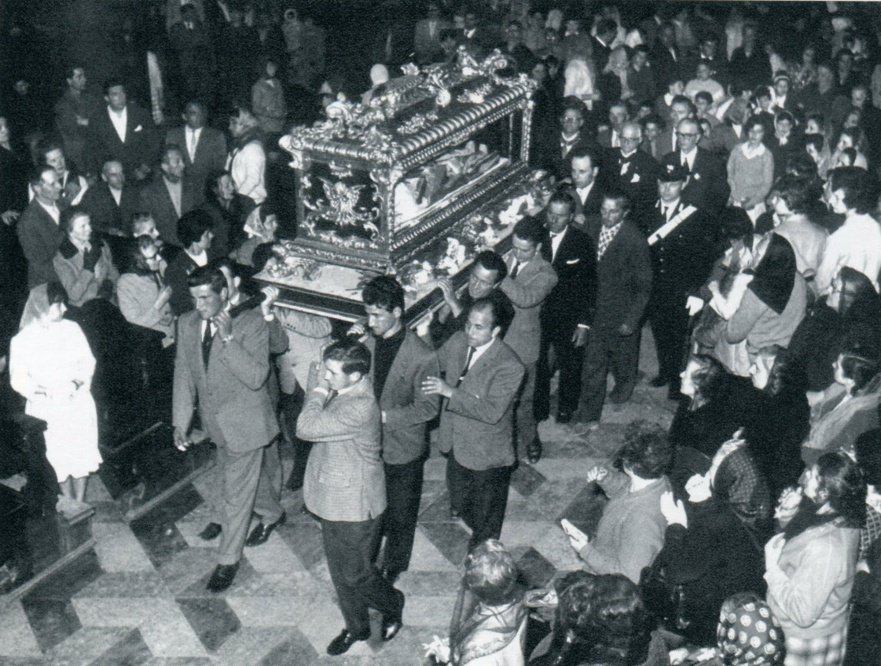
Today, Saint Angela Merici is honoured as patron saint of Desenzano del Garda and co-patroness of Salò and Brescia. Her incorrupt body rests in the Sanctuary dedicated to her in Brescia, while in Salò, her presence endures in the Cathedral’s Chapel of Saint Mark and in the sacred chime of the bell cast in her honour.
Curated by Gualtiero Comini for GN Magazine.
Read more from GN – October 2026
-
The Thread That Connects: Autumn Cultural Encounters in Moniga del Garda
A three-part cultural series in Moniga del Garda exploring personal wellbeing, community dialogue, and the memory of peace with authors Ghidinelli, Prati, Seriani, and Bazzoli.
-
Trans-Siberian Railway: Friulian Stonemasons on Lake Baikal
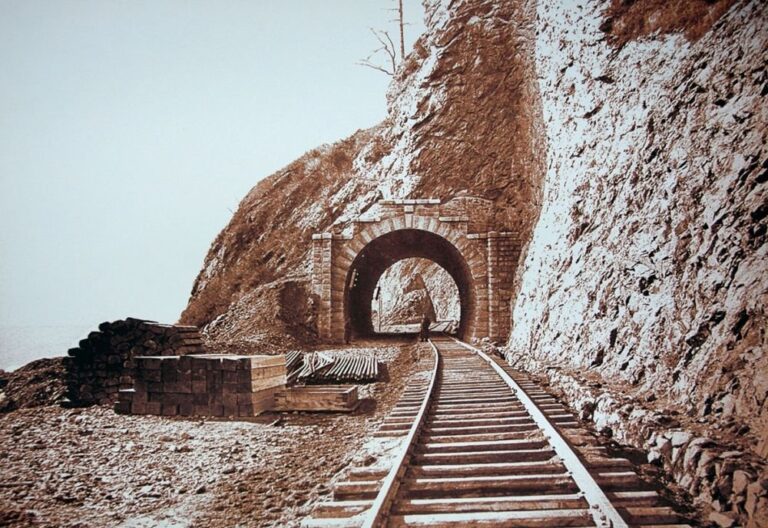
The Trans-Siberian Railway represents one of the most astonishing engineering feats in human history, and along the dramatic, granite-bound shores of Lake Baikal, its realization was indelibly shaped by the hands and sweat of master Italian stonemasons, chiefly from Friuli. Construction around Lake Baikal demanded unrelenting perseverance under brutal sub-Arctic conditions. Work proceeded non-stop, 24 […]
-
Great Voices at the Sirmione Thermal Spa: From Arrigo Boito to Maria Callas
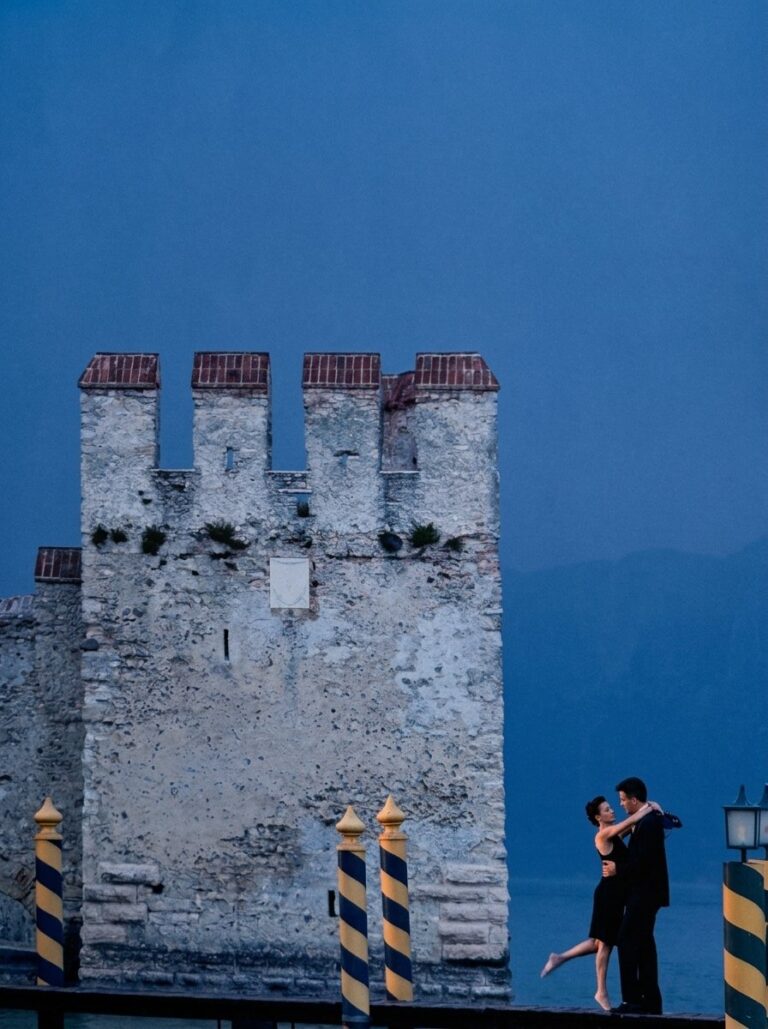
Great Voices at the Sirmione Thermal Spa have long found a haven of inspiration and therapeutic renewal on the shores of Lake Garda, beginning with the Paduan composer Arrigo Boito. In the winter of 1901–1902, following the passing of Giuseppe Verdi—for whom he had written the immortal librettos to Otello and Falstaff—Boito took up residence […]
-
Goethe on Lake Garda: Musical Friendships with Zelter and Mendelssohn
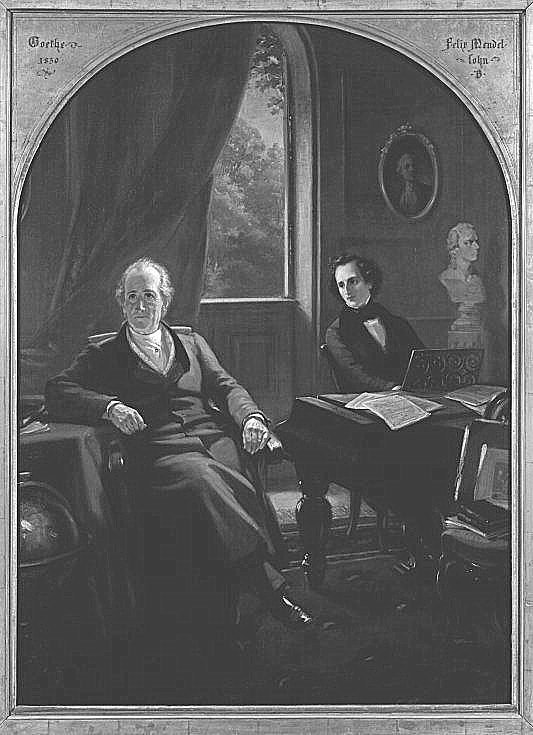
Goethe on Lake Garda famously uncovered the luminous gateway to Italy in September 1786, but few realize how deeply the great German poet’s visual impressions were intertwined with an enduring passion for music that would link him to Carl Friedrich Zelter and the young prodigy Felix Mendelssohn. Johann Caspar Goethe (1710–1782) had imposed rigorous intellectual […]
-
Lazzaretto of Salò: Venice’s Plague Defense on Lake Garda
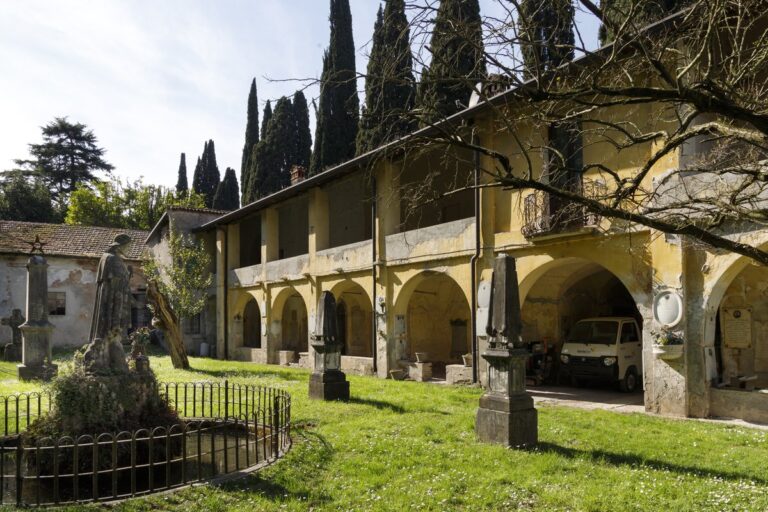
The Lazzaretto of Salò stands as a formidable historical monument to Renaissance public health and maritime disease containment, linking the sanitary cordon of the Venetian Republic directly to the western shores of Lake Garda. On Saturday, October 24, 2026, the Municipality of Salò and the ASAR (Historical-Archaeological Association of the Riviera) host a major conference […]
-
1525 Peasant Revolts: The Power of Machines in Tyrol and Trentino
The 1525 Peasant Revolts—known throughout Central Europe as the Bauernkrieg—erupted five centuries ago across the Alpine valleys of Tyrol and the Prince-Bishopric of Trentino, challenging feudal power structures and raising profound questions about technology, labour, and governance that remain startlingly urgent today. Marking this 500th anniversary, the MUSE and Palazzo delle Albere in Trento organized […]