The Lazzaretto of Salò stands as a formidable historical monument to Renaissance public health and maritime disease containment, linking the sanitary cordon of the Venetian Republic directly to the western shores of Lake Garda.
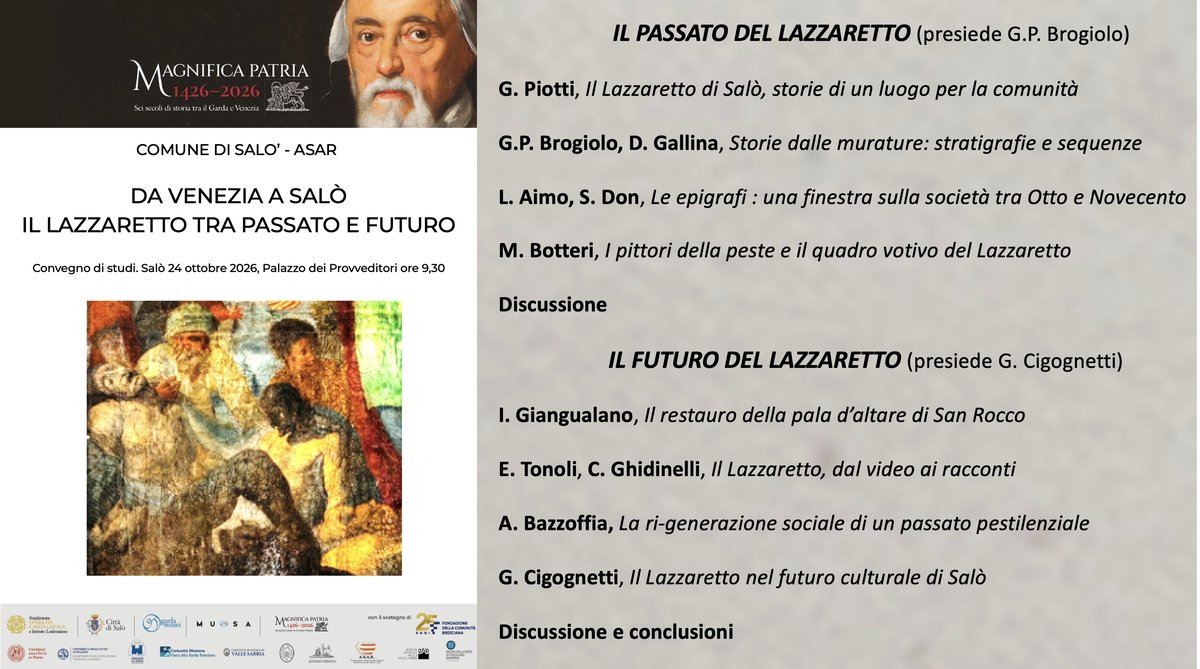
On Saturday, October 24, 2026, the Municipality of Salò and the ASAR (Historical-Archaeological Association of the Riviera) host a major conference in the Sala dei Provveditori of the town hall, exploring the origins, architecture, and civic revival of this unique lakeside hospital.
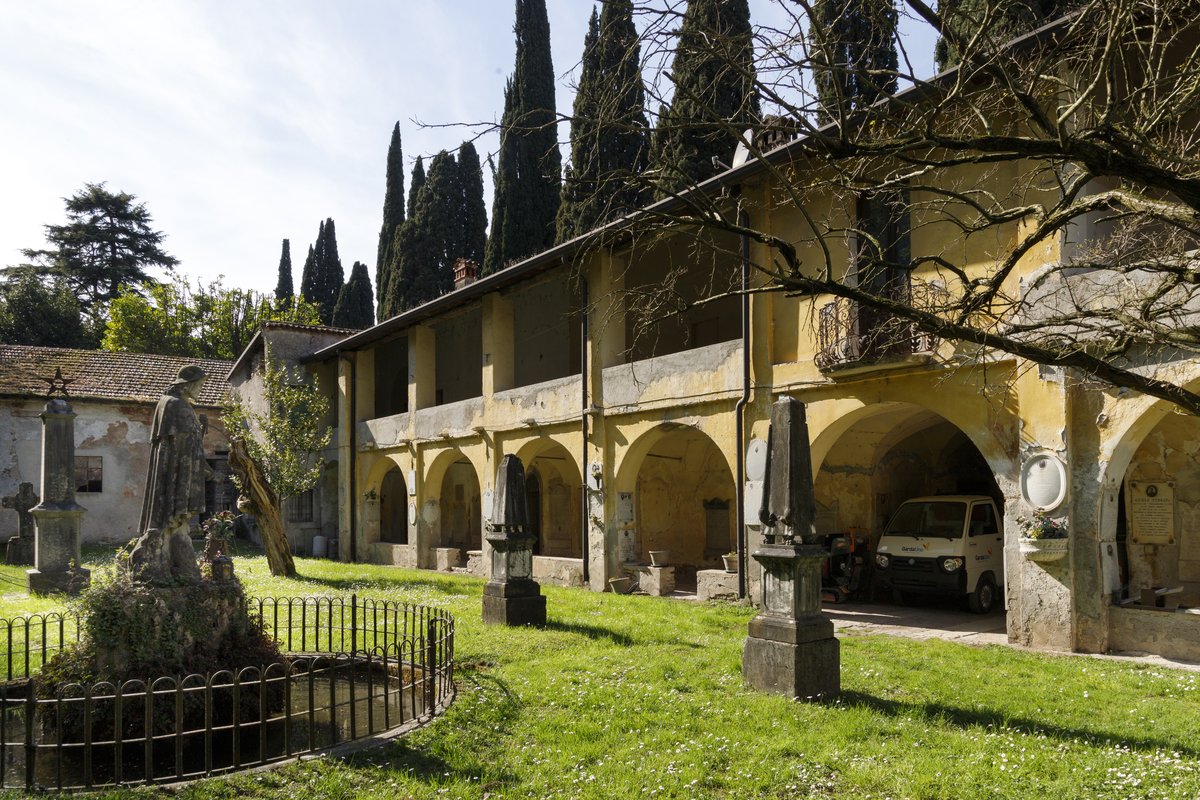
On June 7, 1484, the municipal council of Salò decreed the construction of an isolated quarantine facility “pro salute et conservatione” of the citizens. The site was carefully chosen on the opposite shore of the gulf near the border with Portese, accessible both by boat from the lake and via land. Fed by fresh spring water cascading from the morainic hillside, the facility was designed around an internal courtyard where water was deemed essential for purification and clinical care.
In October 1484, the town council dedicated the lazaretto chapel to Saint Roch, the universal protector against pestilence. By 1522, following the end of regional conflicts, the initial complex was completed: a two-story medieval structure with six self-contained chambers per floor, each equipped with its own hearth, wall niche, and independent doorway opening onto the central courtyard.
Between 1549 and 1551, under master builder “Batista dei Osei da Bressa architechto”, the complex doubled in volume. Its imposing stone portal was raised in 1551, crowned by the civic crest of Salò and the coats-of-arms of two Venetian Provveditori. The hospital faced its grimmest trial during the devastating Great Plague of 1630, which claimed nearly half of Salò’s population, operating round-the-clock as detailed in the communal archives.
Beyond epidemics, the Lazzaretto was vital to Riviera commerce, ensuring that merchants, ships, and cargoes passing between Brescia, Venice, and the Alps could clear quarantine, safeguarding trade continuity. In the 19th century, with the decline of plague threats, the adjacent grounds were redesigned by famed architect Rodolfo Vantini into Salò’s monumental cemetery.
Article written by Prof. Giuseppe Piotti and presented by Daria De Micheli for GN Magazine.
Read more from GN – October 2026
-
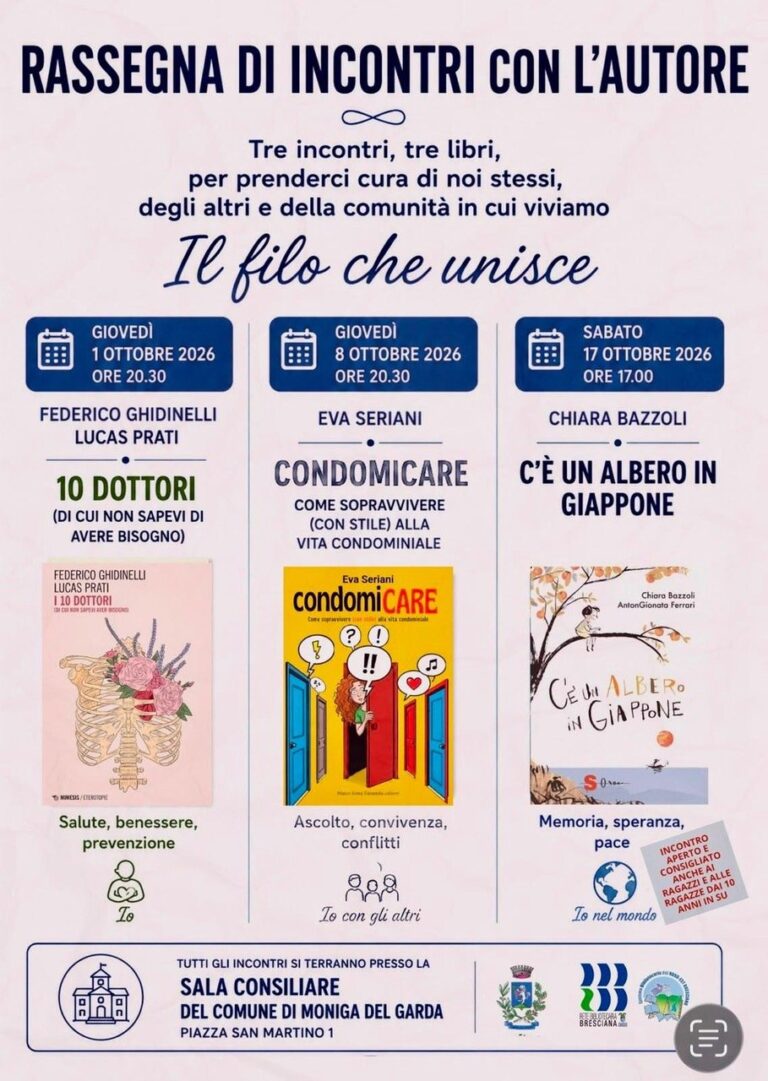
The Thread That Connects: Autumn Cultural Encounters in Moniga del Garda
A three-part cultural series in Moniga del Garda exploring personal wellbeing, community dialogue, and the memory of peace with authors Ghidinelli, Prati, Seriani, and Bazzoli.
-
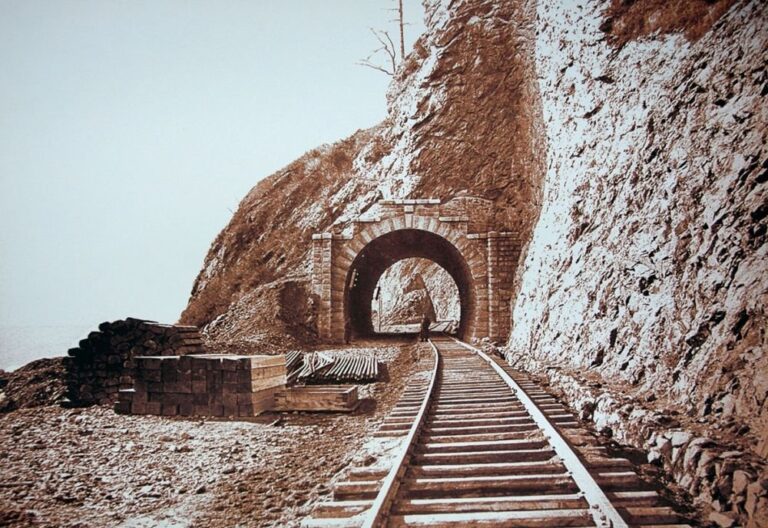
Trans-Siberian Railway: Friulian Stonemasons on Lake Baikal
The Trans-Siberian Railway represents one of the most astonishing engineering feats in human history, and along the dramatic, granite-bound shores of Lake Baikal, its realization was indelibly shaped by the hands and sweat of master Italian stonemasons, chiefly from Friuli. Construction around Lake Baikal demanded unrelenting perseverance under brutal sub-Arctic conditions. Work proceeded non-stop, 24 […]
-
Great Voices at the Sirmione Thermal Spa: From Arrigo Boito to Maria Callas
Great Voices at the Sirmione Thermal Spa have long found a haven of inspiration and therapeutic renewal on the shores of Lake Garda, beginning with the Paduan composer Arrigo Boito. In the winter of 1901–1902, following the passing of Giuseppe Verdi—for whom he had written the immortal librettos to Otello and Falstaff—Boito took up residence […]
-
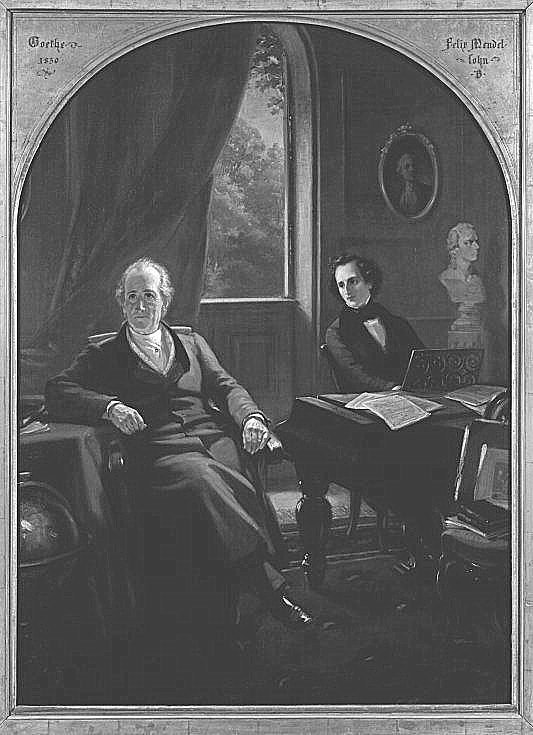
Goethe on Lake Garda: Musical Friendships with Zelter and Mendelssohn
Goethe on Lake Garda famously uncovered the luminous gateway to Italy in September 1786, but few realize how deeply the great German poet’s visual impressions were intertwined with an enduring passion for music that would link him to Carl Friedrich Zelter and the young prodigy Felix Mendelssohn. Johann Caspar Goethe (1710–1782) had imposed rigorous intellectual […]
-
Saint Angela Merici: The Spiritual Heart of Lake Garda and the Magnifica Patria
Saint Angela Merici remains one of the most transformative spiritual and social figures of Renaissance Italy, uniting the shores of Lake Garda, the city of Brescia, and the maritime civilization of the Venetian Republic in an enduring legacy of lay leadership and feminine education. Born on March 21, 1474, in Desenzano del Garda—then a prosperous […]
-
1525 Peasant Revolts: The Power of Machines in Tyrol and Trentino
The 1525 Peasant Revolts—known throughout Central Europe as the Bauernkrieg—erupted five centuries ago across the Alpine valleys of Tyrol and the Prince-Bishopric of Trentino, challenging feudal power structures and raising profound questions about technology, labour, and governance that remain startlingly urgent today. Marking this 500th anniversary, the MUSE and Palazzo delle Albere in Trento organized […]