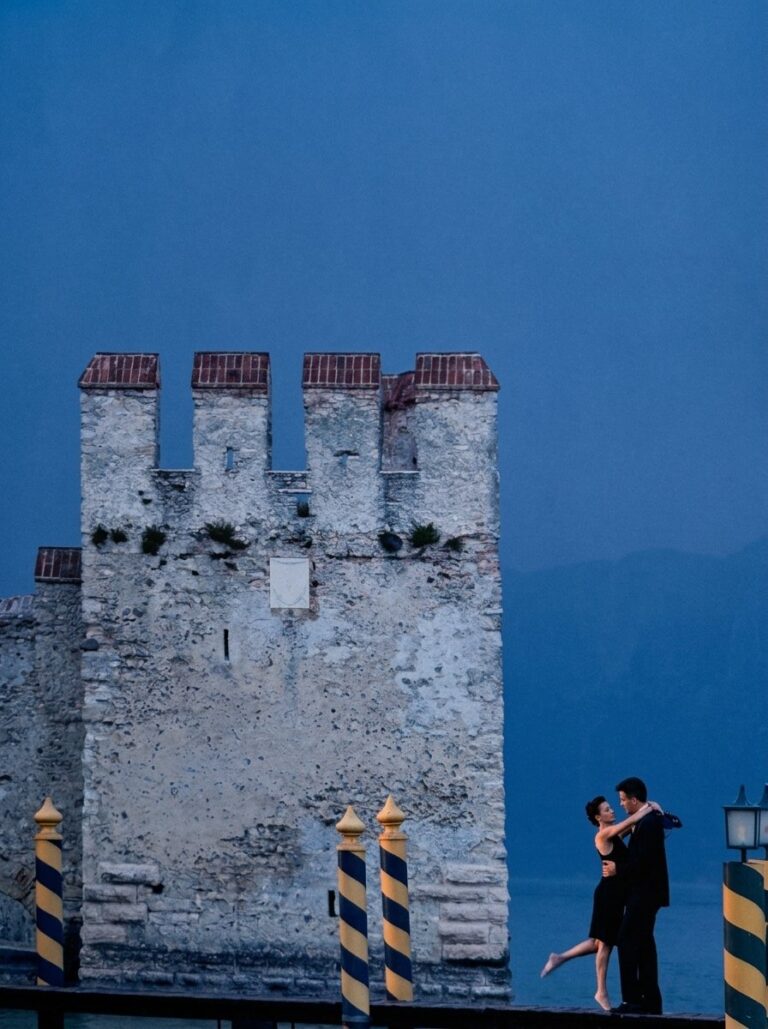
Ancient Hunting on Lake Garda evokes a dramatic chapter in the cultural and environmental history of the Benaco, from the untamed expanses of the ancient Lugana forest to the rugged crests of the Morainic Hills.
While contemporary debates in the Italian Parliament centre around modern wildlife management, conservation limits, and habitat restoration, the ancient practice of hunting across the Garda basin was once a fierce, theatrical test of martial prowess. In his classic 19th-century chronicle Benaco, Giuseppe Solitro documented how barbarian migrations following the fall of Rome fundamentally altered the relationship between local inhabitants and the surrounding wilderness, transforming hunting into rigorous training for warfare.

Solitro describes the spectacle with vivid immediacy: kings, emperors, courtiers, abbesses, and bishops, resplendent in martial garments, entered the dense labyrinth of the woods on spirited chargers. Preceded by dog handlers, falconers with hooded raptors, and beaters sounding brass horns, personal rivalries and political animosities were momentarily forgotten in pursuit of the chase.
The Benaco emerged as a premier hunting theatre. In a celebrated imperial diploma dated October 6, 879, Charlemagne’s Carolingian successors granted expansive territories south of the lake to the Monks of San Zeno in Verona, conceding perpetual rights to hunt wild boar, stag, and roe deer without interference. At the time, the primeval Selva Lugana spread uninterrupted between Desenzano and Peschiera, teeming with deer, wolves, and bears.
According to 16th-century historian Gratarolo, big game hunting remained widespread until the great plague of 1630 decimated the populace, leaving farmsteads overgrown and allowing wild beasts to reclaim abandoned vineyards. As agricultural reclamation and deforestation subsequently accelerated in the 18th and 19th centuries, the grand forests receded, bringing an end to the heroic medieval hunts of the Benaco.
Curated by Osvaldo Pippa for GN Magazine.
Read more from GN – October 2026
-
The Thread That Connects: Autumn Cultural Encounters in Moniga del Garda
A three-part cultural series in Moniga del Garda exploring personal wellbeing, community dialogue, and the memory of peace with authors Ghidinelli, Prati, Seriani, and Bazzoli.
-
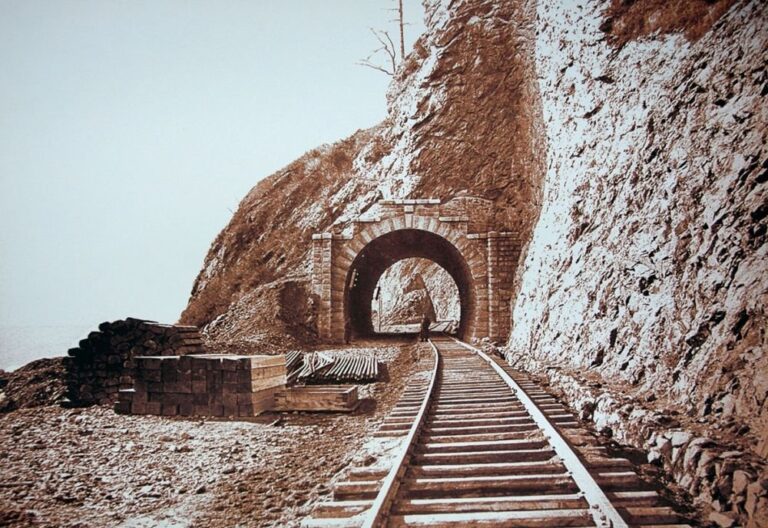
Trans-Siberian Railway: Friulian Stonemasons on Lake Baikal
The Trans-Siberian Railway represents one of the most astonishing engineering feats in human history, and along the dramatic, granite-bound shores of Lake Baikal, its realization was indelibly shaped by the hands and sweat of master Italian stonemasons, chiefly from Friuli. Construction around Lake Baikal demanded unrelenting perseverance under brutal sub-Arctic conditions. Work proceeded non-stop, 24 […]
-
Great Voices at the Sirmione Thermal Spa: From Arrigo Boito to Maria Callas
Great Voices at the Sirmione Thermal Spa have long found a haven of inspiration and therapeutic renewal on the shores of Lake Garda, beginning with the Paduan composer Arrigo Boito. In the winter of 1901–1902, following the passing of Giuseppe Verdi—for whom he had written the immortal librettos to Otello and Falstaff—Boito took up residence […]
-
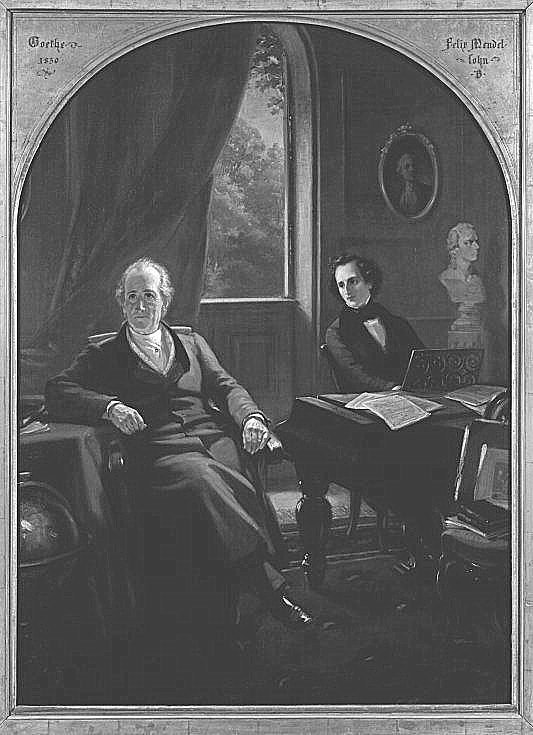
Goethe on Lake Garda: Musical Friendships with Zelter and Mendelssohn
Goethe on Lake Garda famously uncovered the luminous gateway to Italy in September 1786, but few realize how deeply the great German poet’s visual impressions were intertwined with an enduring passion for music that would link him to Carl Friedrich Zelter and the young prodigy Felix Mendelssohn. Johann Caspar Goethe (1710–1782) had imposed rigorous intellectual […]
-
Saint Angela Merici: The Spiritual Heart of Lake Garda and the Magnifica Patria
Saint Angela Merici remains one of the most transformative spiritual and social figures of Renaissance Italy, uniting the shores of Lake Garda, the city of Brescia, and the maritime civilization of the Venetian Republic in an enduring legacy of lay leadership and feminine education. Born on March 21, 1474, in Desenzano del Garda—then a prosperous […]
-
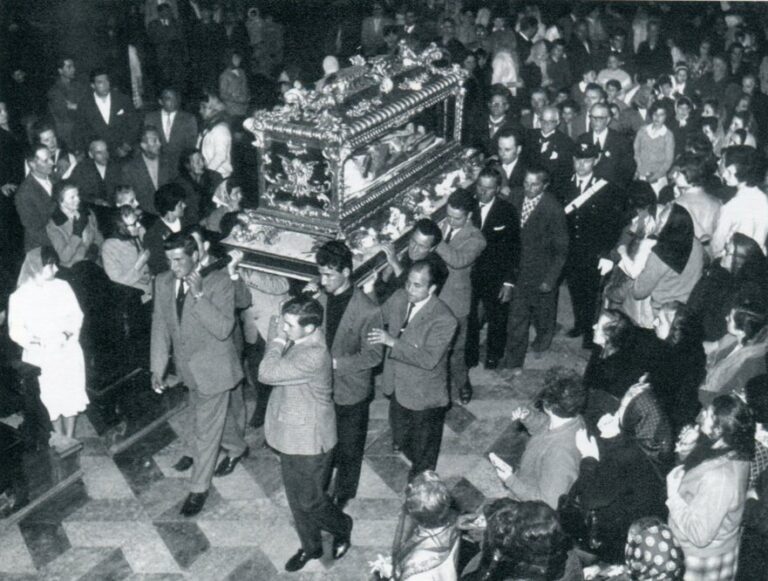
Lazzaretto of Salò: Venice’s Plague Defense on Lake Garda
The Lazzaretto of Salò stands as a formidable historical monument to Renaissance public health and maritime disease containment, linking the sanitary cordon of the Venetian Republic directly to the western shores of Lake Garda. On Saturday, October 24, 2026, the Municipality of Salò and the ASAR (Historical-Archaeological Association of the Riviera) host a major conference […]