Radio Lonato was born amidst the seismic cultural wave that swept Italy during the scorching summer of 1976, when an extraordinary ruling by the Constitutional Court dismantled the historic state monopoly over broadcasting, unleashing the vibrant era of independent local radio stations.
On May 6, 1976, as a powerful earthquake shook Friuli with tremors rattling shelves even across Lake Garda, a group of socially engaged friends gathered in Lonato at the Popular Initiatives Center on Via San Giuseppe. Their ambition was daring: to establish a truly independent, community-driven free radio station.
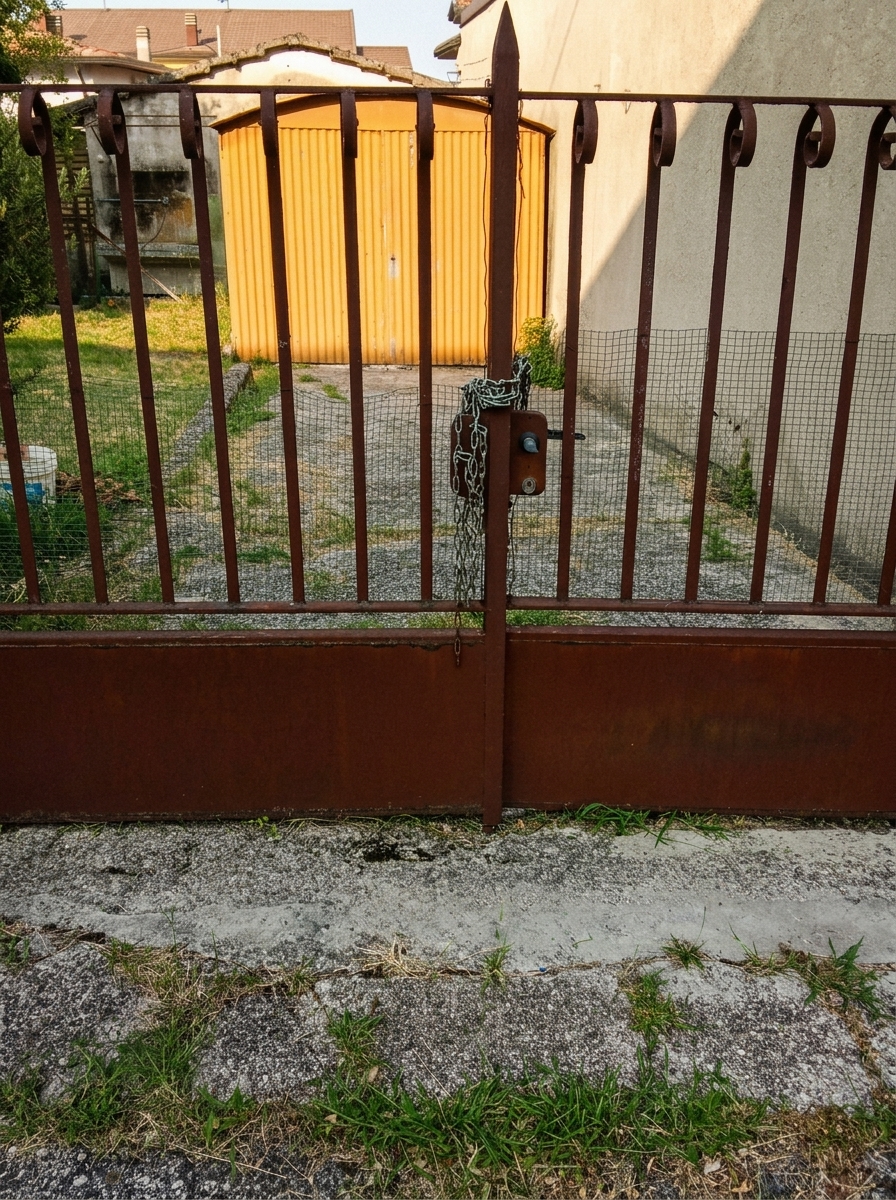
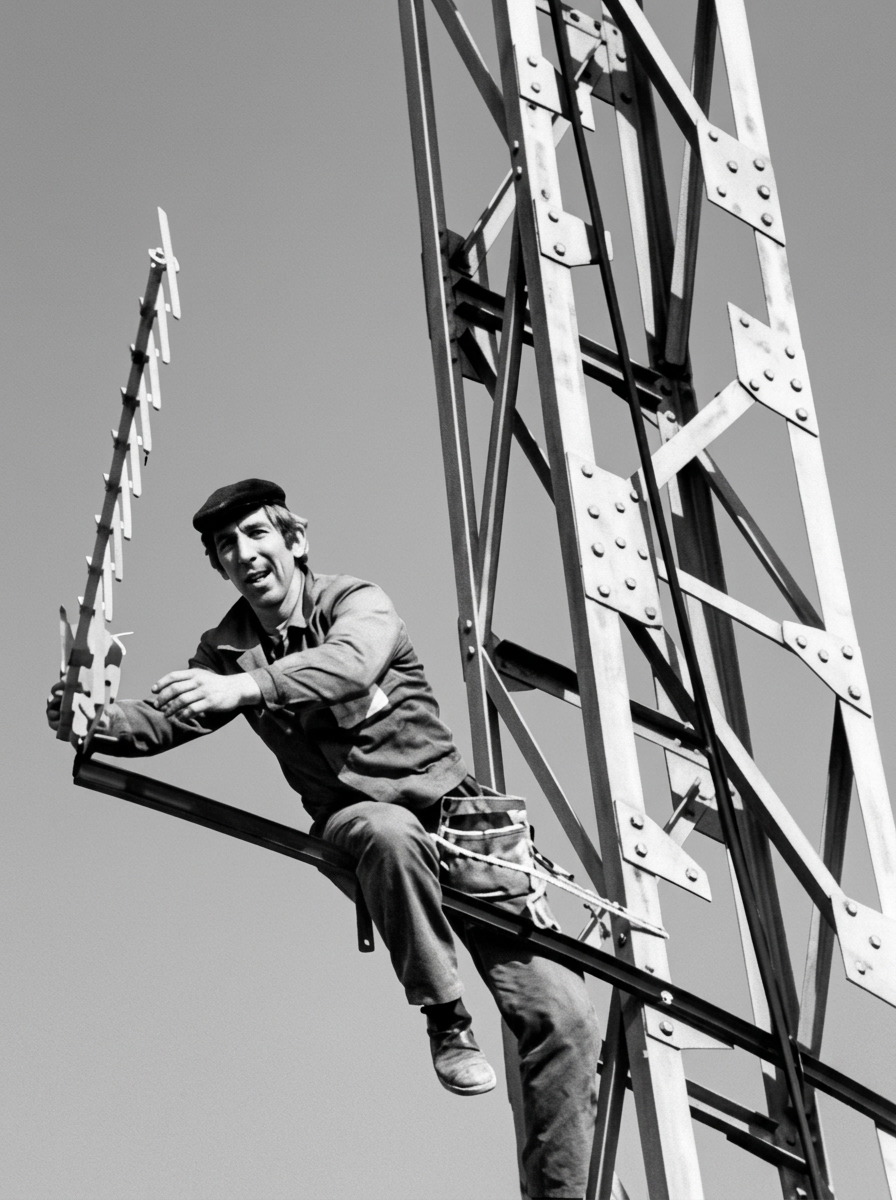
When the historic Constitutional Court verdict was proclaimed on July 28, the team reacted with dazzling swiftness: on August 18, 1976, RPL (Radio Popolare Lonato) went on air. The studio was improvisational genius: set up inside a humble garage on Via Ludovico Ariosto, its walls lined with cardboard egg crates for acoustic soundproofing—though they couldn’t entirely muffle the crowing of backyard roosters or the roar of passing motorbikes! The gear was minimal: two vinyl turntables, a mixer, one microphone, and a pair of headphones. Alfredo Facchetti oversaw technical operations, while Riccardo Vischioni acrobatically climbed roofs and towers as the “lord of the repeaters”.
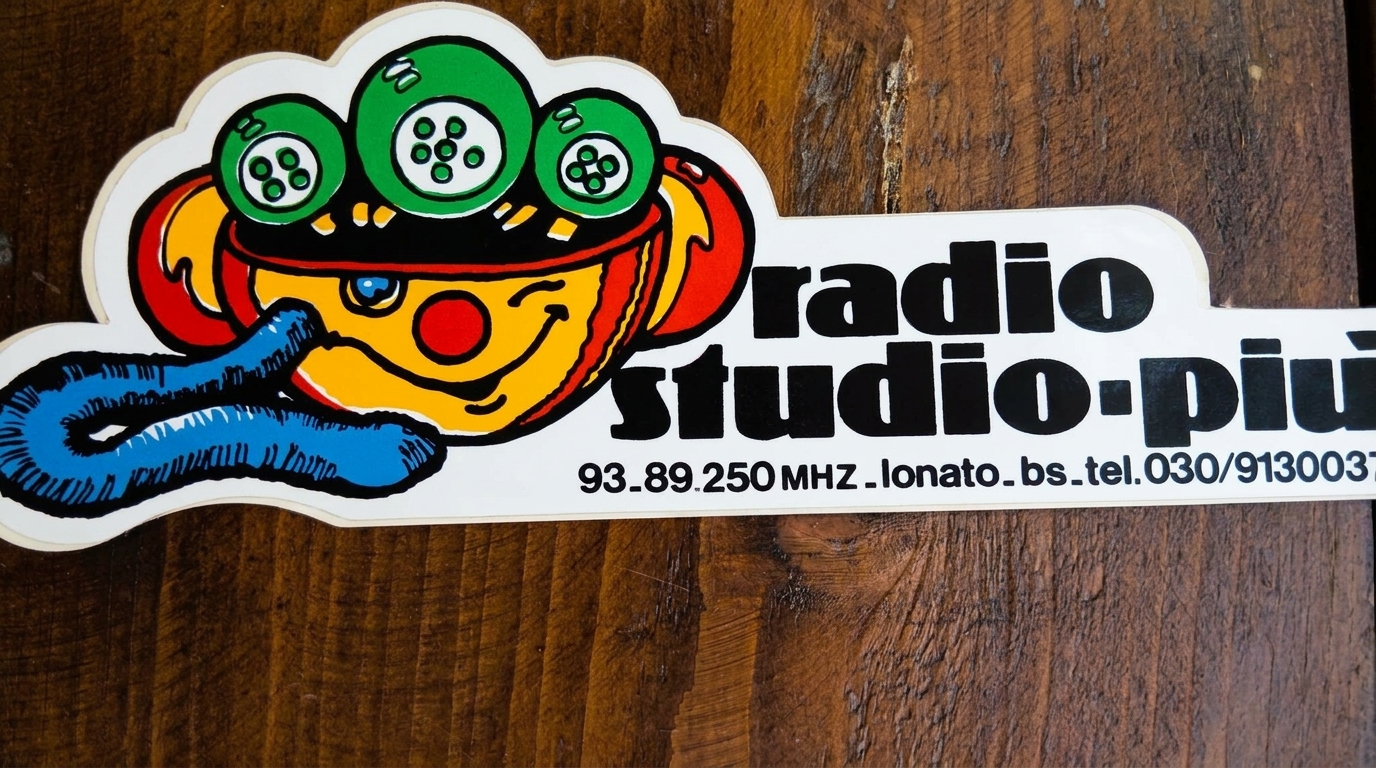
In its initial phase, led by founder Franco Stuani, RPL possessed two vibrant souls: one passionate, political, and community-centred; the other cheerful, recreational, and musical. As leadership transitioned through Claudio Orlandelli and Mauro Carrozza, the station merged in 1980 with RTS to create Radio Studio Più. In 1984, talented broadcaster Claudio Tozzo acquired the 92.7 MHz frequency, transforming the local venture into a powerhouse dance network across northern Italy.
The late 1970s marked a golden dawn for pirate and free radio all around Lake Garda: from Radio Surprise and Radio Vò in Desenzano to Radio Rosa in Soiano, Euro Onda in Montichiari, Radio Break in Castiglione delle Stiviere, and Radio Antenna TRE in Peschiera. Radio Lonato was not just an acoustic pioneer, but a heartfelt community story—even sparking lifelong romances, such as the marriage between show host Gianfranco and presenter Carmela.
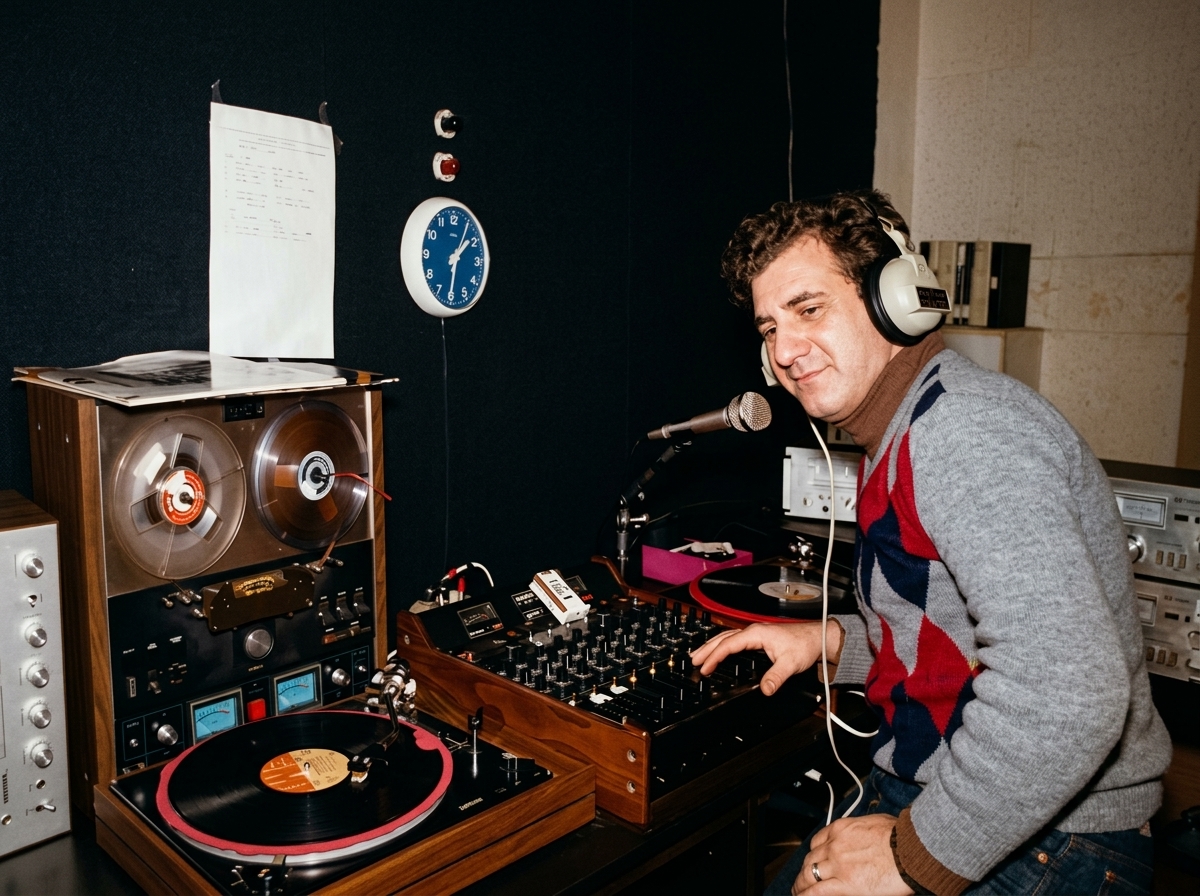
Episode 4 of the Free Radio chronicles, curated by Dario Darra for GN Magazine.
Read more from GN – October 2026
-
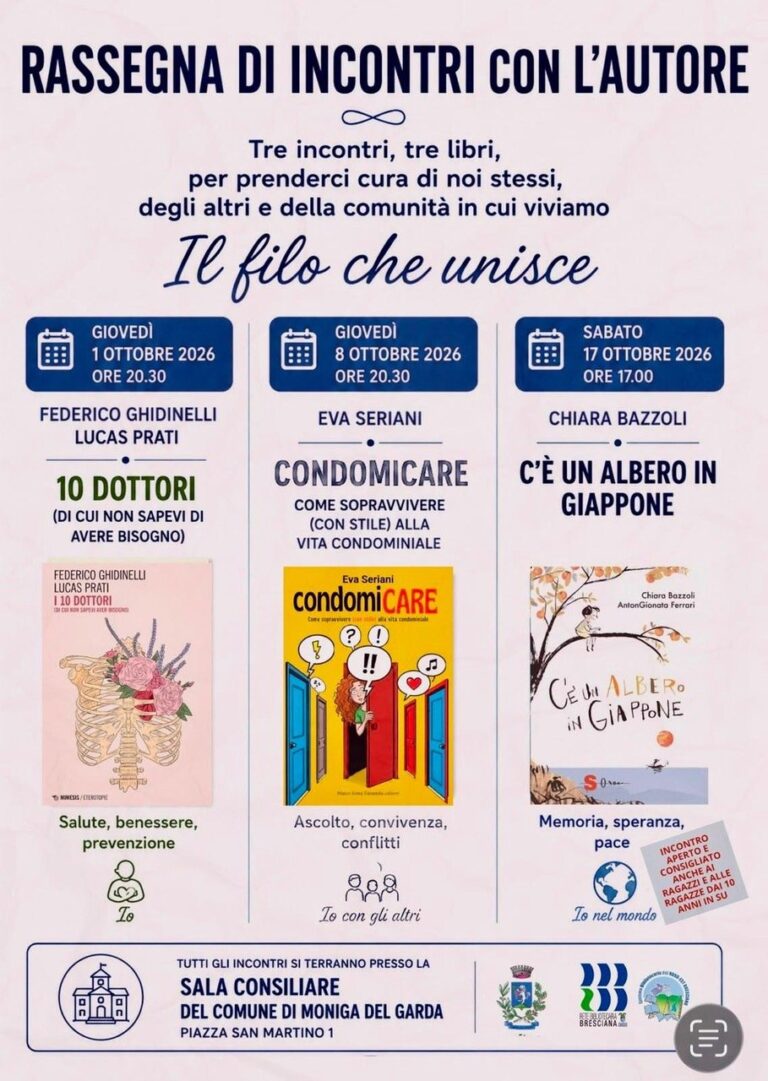
The Thread That Connects: Autumn Cultural Encounters in Moniga del Garda
A three-part cultural series in Moniga del Garda exploring personal wellbeing, community dialogue, and the memory of peace with authors Ghidinelli, Prati, Seriani, and Bazzoli.
-
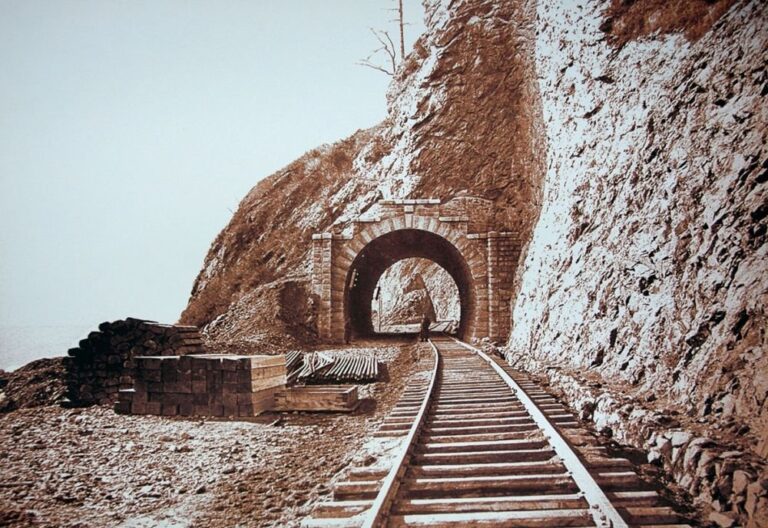
Trans-Siberian Railway: Friulian Stonemasons on Lake Baikal
The Trans-Siberian Railway represents one of the most astonishing engineering feats in human history, and along the dramatic, granite-bound shores of Lake Baikal, its realization was indelibly shaped by the hands and sweat of master Italian stonemasons, chiefly from Friuli. Construction around Lake Baikal demanded unrelenting perseverance under brutal sub-Arctic conditions. Work proceeded non-stop, 24 […]
-
Great Voices at the Sirmione Thermal Spa: From Arrigo Boito to Maria Callas
Great Voices at the Sirmione Thermal Spa have long found a haven of inspiration and therapeutic renewal on the shores of Lake Garda, beginning with the Paduan composer Arrigo Boito. In the winter of 1901–1902, following the passing of Giuseppe Verdi—for whom he had written the immortal librettos to Otello and Falstaff—Boito took up residence […]
-
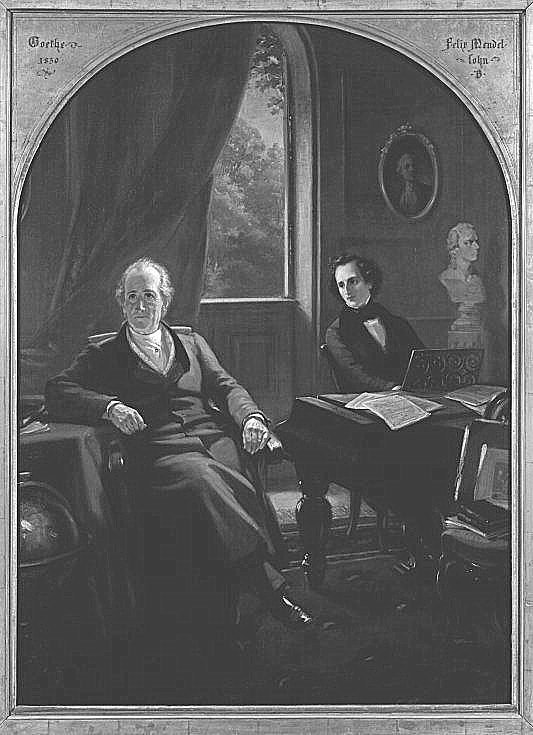
Goethe on Lake Garda: Musical Friendships with Zelter and Mendelssohn
Goethe on Lake Garda famously uncovered the luminous gateway to Italy in September 1786, but few realize how deeply the great German poet’s visual impressions were intertwined with an enduring passion for music that would link him to Carl Friedrich Zelter and the young prodigy Felix Mendelssohn. Johann Caspar Goethe (1710–1782) had imposed rigorous intellectual […]
-
Saint Angela Merici: The Spiritual Heart of Lake Garda and the Magnifica Patria
Saint Angela Merici remains one of the most transformative spiritual and social figures of Renaissance Italy, uniting the shores of Lake Garda, the city of Brescia, and the maritime civilization of the Venetian Republic in an enduring legacy of lay leadership and feminine education. Born on March 21, 1474, in Desenzano del Garda—then a prosperous […]
-
Lazzaretto of Salò: Venice’s Plague Defense on Lake Garda
The Lazzaretto of Salò stands as a formidable historical monument to Renaissance public health and maritime disease containment, linking the sanitary cordon of the Venetian Republic directly to the western shores of Lake Garda. On Saturday, October 24, 2026, the Municipality of Salò and the ASAR (Historical-Archaeological Association of the Riviera) host a major conference […]