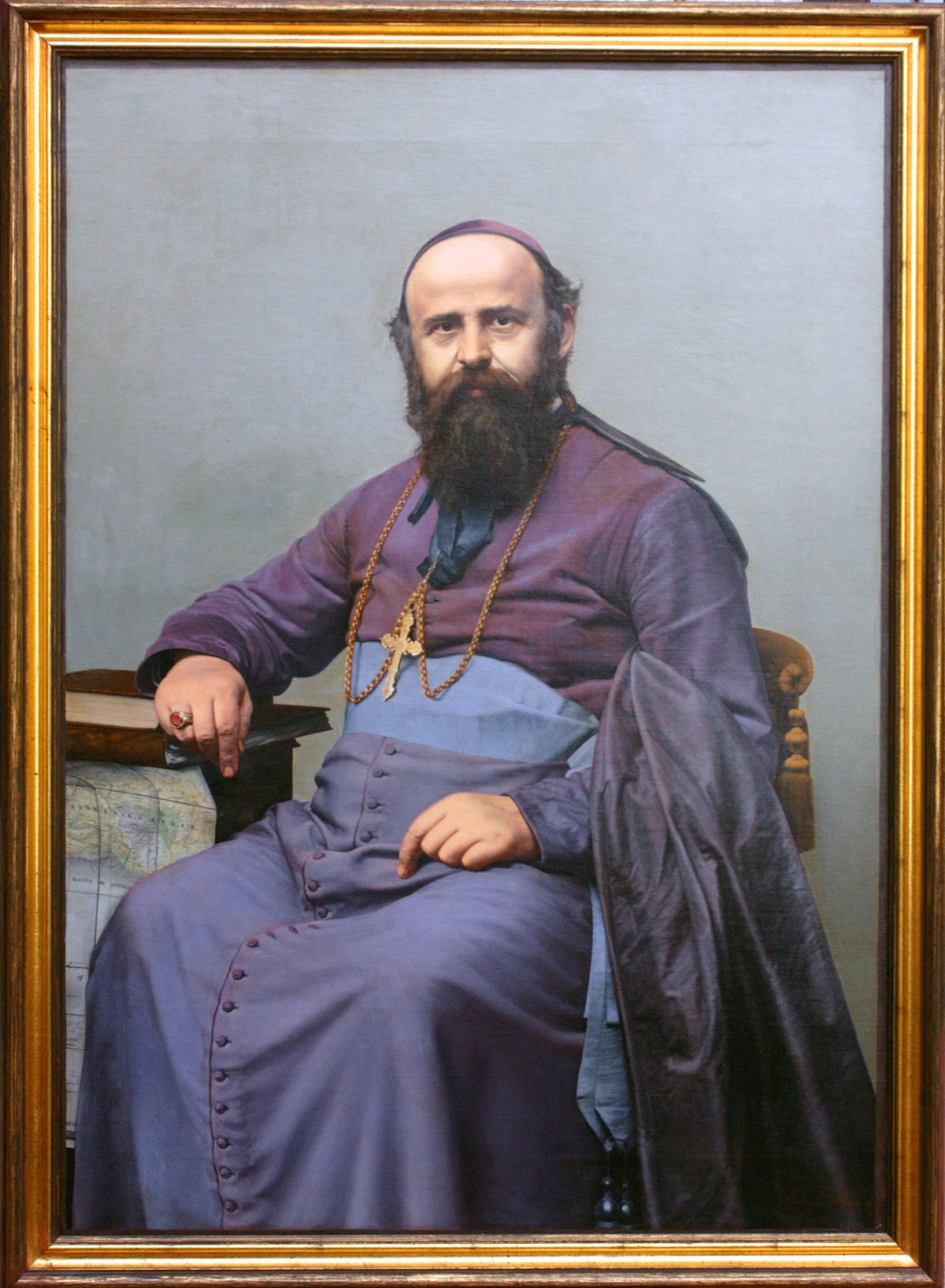
Saint Daniel Comboni draws his lineage from two resilient families whose migration stories converge in early nineteenth-century Limone sul Garda: the Comboni craftsmen of Bogliaco and the alpine settlers of the Pace family from Cadria in Valvestino.
In early nineteenth-century Limone, long-established local dynasties such as the Girardi, Martinelli, Patuzzi, and Fedrici lived alongside more recent arrivals: Piantoni, Floriani, Codogni, Fava, Risatti, Chincherini, Pace, Luscia, and Comboni. Drawn by the burgeoning economy of the lake’s renowned terraced lemon gardens, paper mills, and agricultural estates, these newcomers provided essential craftsmanship and labor. Among them were Luigi Comboni and Domenica Pace, the parents of Saint Daniel Comboni.
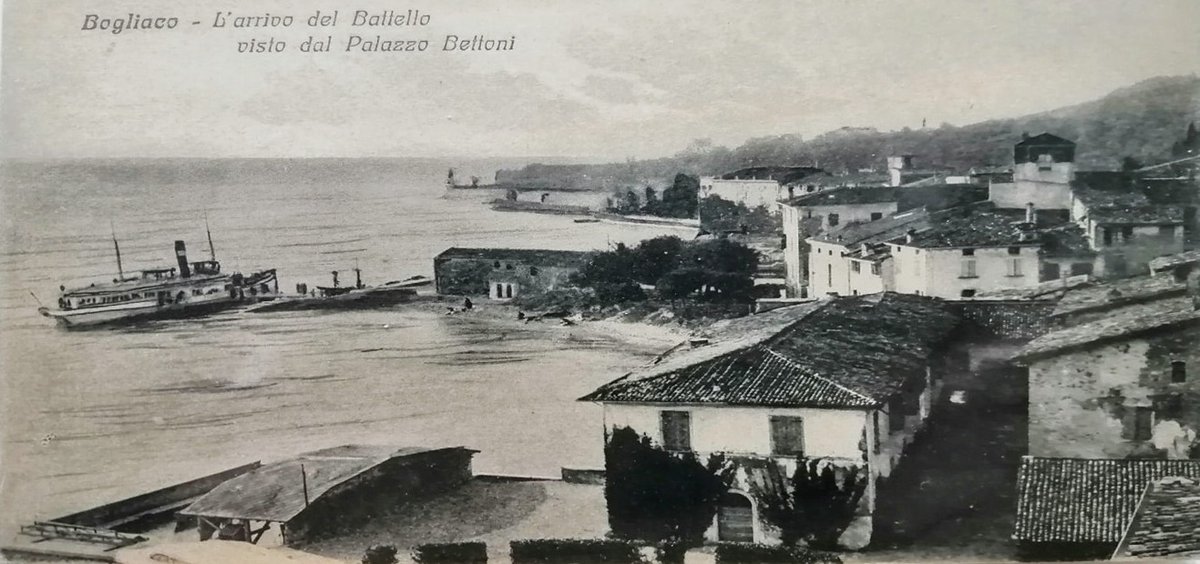
The Comboni Dynasty of Bogliaco and Gargnano
The Comboni lineage traces its earliest documented roots to the hamlet of Muslone. Amedeo Comboni, born in 1345, stands as the ancestor of a long genealogical branch that later saw Bortolomeo (1705–1760) relocate to Gargnano in 1730, followed by Domenico (1720–?), who by 1744 had settled in Bogliaco in the service of the aristocratic Counts Bettoni. Domenico’s marriage to Caterina Zuradella in 1744 produced thirteen children, many of whom had Count Paolo Bettoni as their formal godfather by proxy at baptism.
Among their offspring was Bortolomeo (or Bortolo, born in Villavetro di Gargnano, 1764–1818), who married Maria Anna Lucia Bertagnolli (originally from Fondo in Trentino, 1767–1822) at Fornico di Gargnano in 1783. Bortolo and Maria Anna were the paternal grandparents of Saint Daniel Comboni, raising eleven children in the Riviera: Domenico Giuseppe (1784–1853), three daughters named Caterina, Giuseppe (1795–1872), Bortolo, Faustino, Luigi (born in Bogliaco on September 6, 1803; died in Limone on November 5, 1893—the father of the future saint), Carlo, and two daughters named Rosa.
On December 27, 1817, Giuseppe married Paola Podavini (1791–1851). They had four children: the first born in Gargnano, and three in Limone, where Giuseppe and his younger brother Luigi had relocated on December 22, 1818. Their son Gio. Batta Eustacchio was born at the Tešöl estate, the historic lemon house where Giuseppe and Luigi first made their home.
The Pace Family: Mountain Hardship and the Exodus from Cadria
The Pace family arrived in Limone at the end of the eighteenth century from Cadria, a secluded mountain hamlet in the municipality of Magasa, tucked beyond Cima Rest in the Proalio valley. Today reaching Cadria by car requires navigating the winding provincial road from Gargnano past Lake Valvestino, climbing through Magasa to Cima Rest, and descending sharply into the isolated valley floor—a 53-kilometer journey taking roughly an hour and a half from Limone.
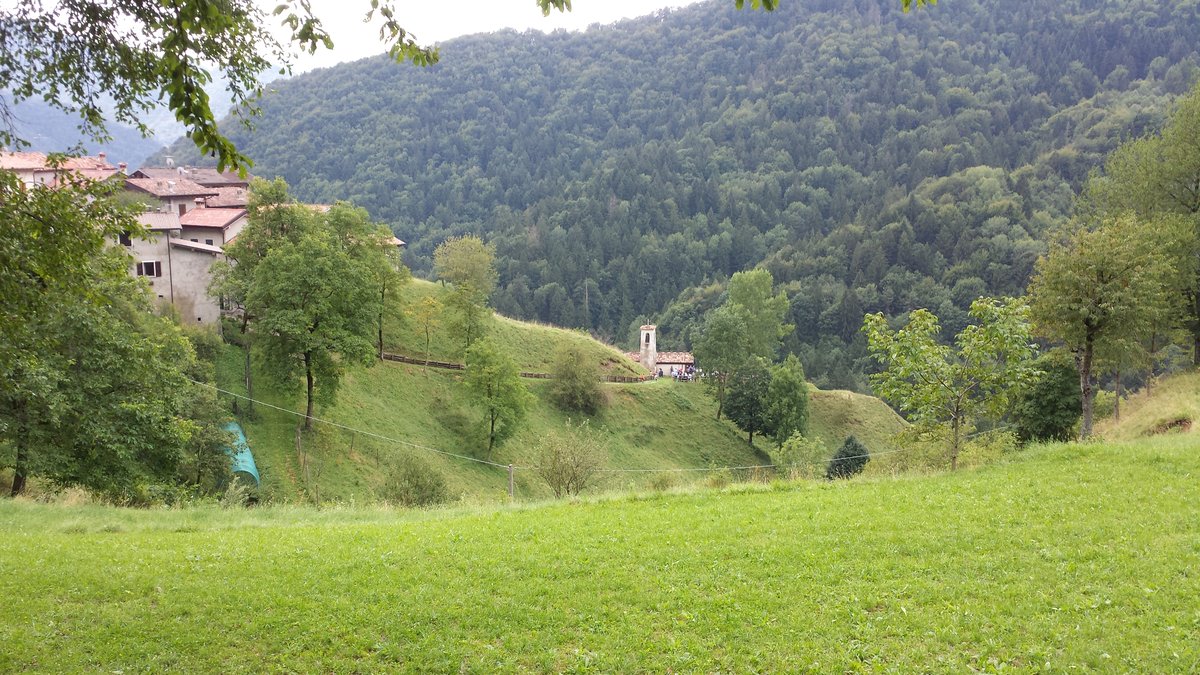
Historically, however, the only connections were arduous mule tracks and rugged trails tread by charcoal burners and shepherds. A traveler walking from Cadria to Limone faced two demanding options: traversing Passo Puria (1,374 m) into Val Negrini and San Michele, or ascending Scarpapé (1,242 m) and Val Tignalga down toward Vesio and Voltino. An alternative descent followed the Proalio valley to the Droanello, climbing toward Bocca Paolone, then crossing Pontesèl across the sheer ravines of the Tignalga gorge toward Prabione, Pieve di Tremosine, and Ustecchio. Even for a seasoned trekker, this journey demanded over seven hours of relentless mountain hiking.
Throughout the eighteenth and nineteenth centuries until the First World War, Magasa and Valvestino belonged to the County of Tyrol under Austrian rule, as attested by historic 1753 border stones and the ruined outposts of Austrian financial guards along key pass corridors. Emigrating required official passports and profound endurance. Life in Cadria was extraordinarily harsh: an isolated population of barely 50 to 80 souls endured heavy winter snowfalls—so severe that deceased villagers were often kept in attics until spring thaw allowed transport across mountain passes to Magasa’s cemetery. Subsistence relied on summer grazing, charcoal piles (aiài and poiàt), bird snaring (roccoli), thatch-roofed barns, a lime kiln, and small garden patches.
Under such unyielding conditions, emigration toward the prosperous shores of Lake Garda was a necessity. In 1789, Antonio Pasino Pace (born in Magasa in 1752) passed away in Limone. His son Antonio (1779–1836), born to Domenica Zeni, married Marianna Morelli (1776–1853, a native of Vigo Lomaso in Trentino) on June 29, 1800. Antonio and Marianna—the maternal grandparents of Saint Daniel Comboni—settled as lemon-house workers on the Bettoni estates; the parish register of June 26, 1819 explicitly records that their eighth child was born in the house of the noble Bettoni family.
Having endured profound grief with the untimely deaths of several young children, Antonio and Marianna found renewal in the marriage of their eldest daughter, Domenica Pace, to Luigi Comboni—uniting two lineages whose devotion would nurture one of the greatest missionary figures of modern history.
Curated by Domenico Fava for GN Magazine (Part 3).
Read more from GN – October 2026
-
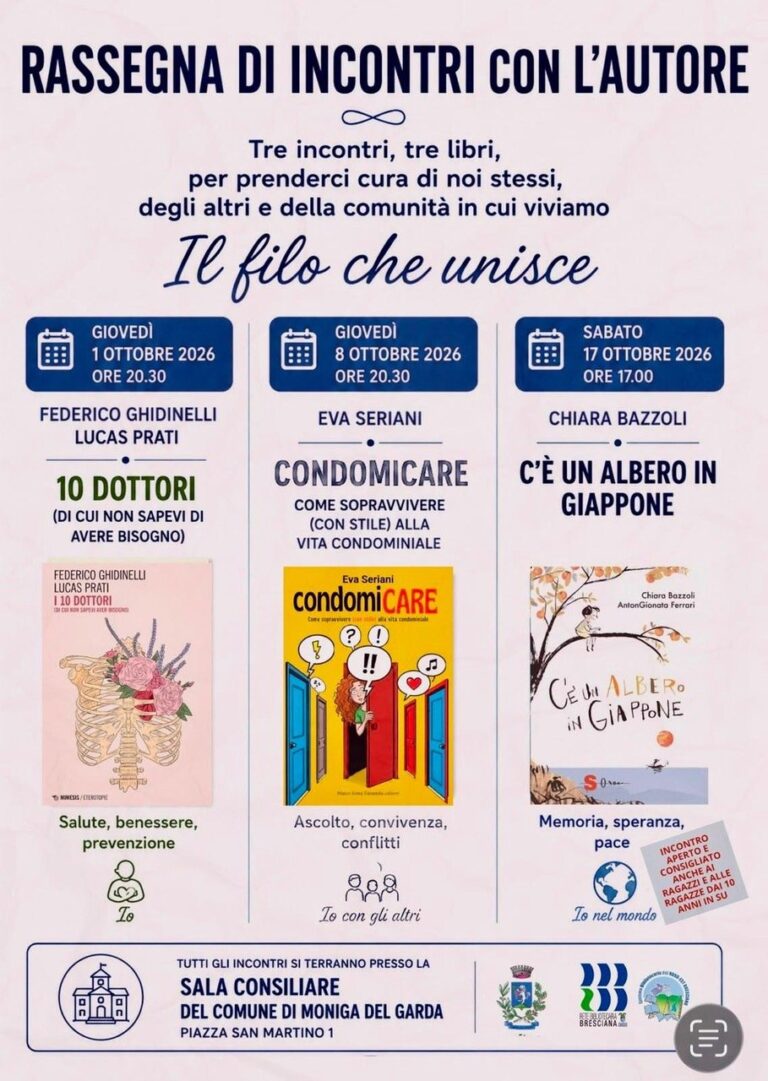
The Thread That Connects: Autumn Cultural Encounters in Moniga del Garda
A three-part cultural series in Moniga del Garda exploring personal wellbeing, community dialogue, and the memory of peace with authors Ghidinelli, Prati, Seriani, and Bazzoli.
-
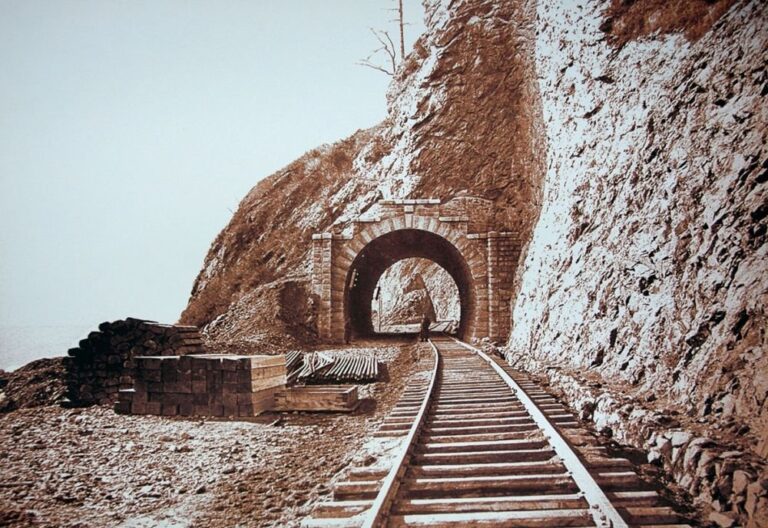
Trans-Siberian Railway: Friulian Stonemasons on Lake Baikal
The Trans-Siberian Railway represents one of the most astonishing engineering feats in human history, and along the dramatic, granite-bound shores of Lake Baikal, its realization was indelibly shaped by the hands and sweat of master Italian stonemasons, chiefly from Friuli. Construction around Lake Baikal demanded unrelenting perseverance under brutal sub-Arctic conditions. Work proceeded non-stop, 24 […]
-
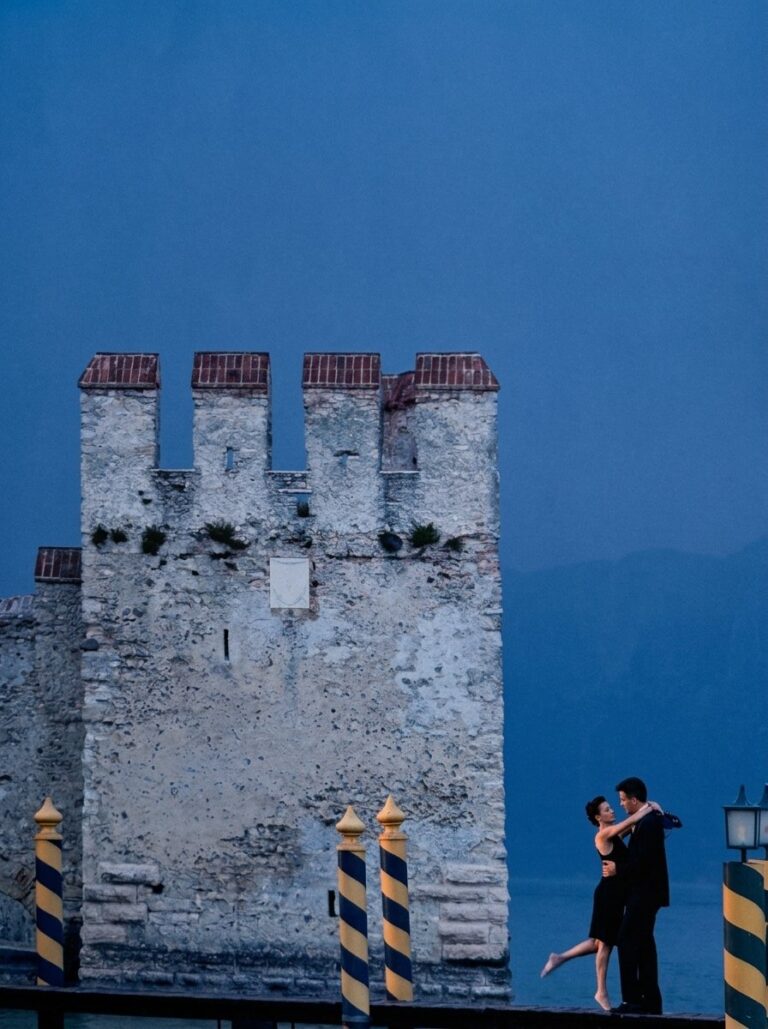
Great Voices at the Sirmione Thermal Spa: From Arrigo Boito to Maria Callas
Great Voices at the Sirmione Thermal Spa have long found a haven of inspiration and therapeutic renewal on the shores of Lake Garda, beginning with the Paduan composer Arrigo Boito. In the winter of 1901–1902, following the passing of Giuseppe Verdi—for whom he had written the immortal librettos to Otello and Falstaff—Boito took up residence […]
-
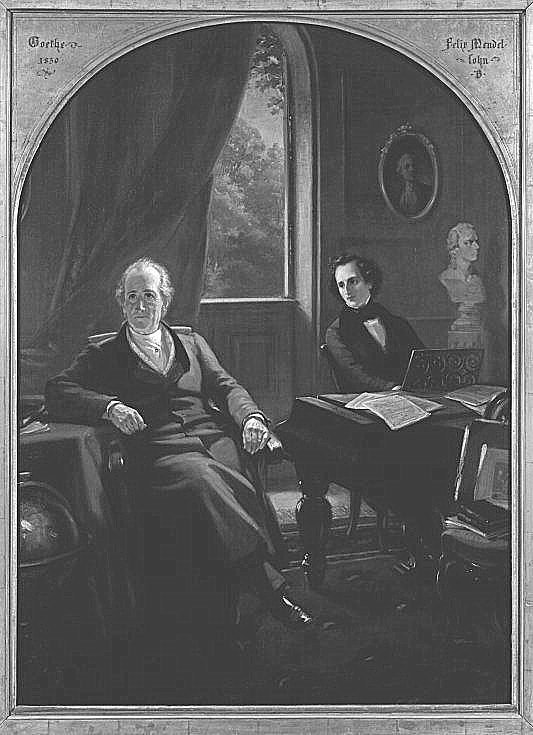
Goethe on Lake Garda: Musical Friendships with Zelter and Mendelssohn
Goethe on Lake Garda famously uncovered the luminous gateway to Italy in September 1786, but few realize how deeply the great German poet’s visual impressions were intertwined with an enduring passion for music that would link him to Carl Friedrich Zelter and the young prodigy Felix Mendelssohn. Johann Caspar Goethe (1710–1782) had imposed rigorous intellectual […]
-
Saint Angela Merici: The Spiritual Heart of Lake Garda and the Magnifica Patria
Saint Angela Merici remains one of the most transformative spiritual and social figures of Renaissance Italy, uniting the shores of Lake Garda, the city of Brescia, and the maritime civilization of the Venetian Republic in an enduring legacy of lay leadership and feminine education. Born on March 21, 1474, in Desenzano del Garda—then a prosperous […]
-
Lazzaretto of Salò: Venice’s Plague Defense on Lake Garda
The Lazzaretto of Salò stands as a formidable historical monument to Renaissance public health and maritime disease containment, linking the sanitary cordon of the Venetian Republic directly to the western shores of Lake Garda. On Saturday, October 24, 2026, the Municipality of Salò and the ASAR (Historical-Archaeological Association of the Riviera) host a major conference […]