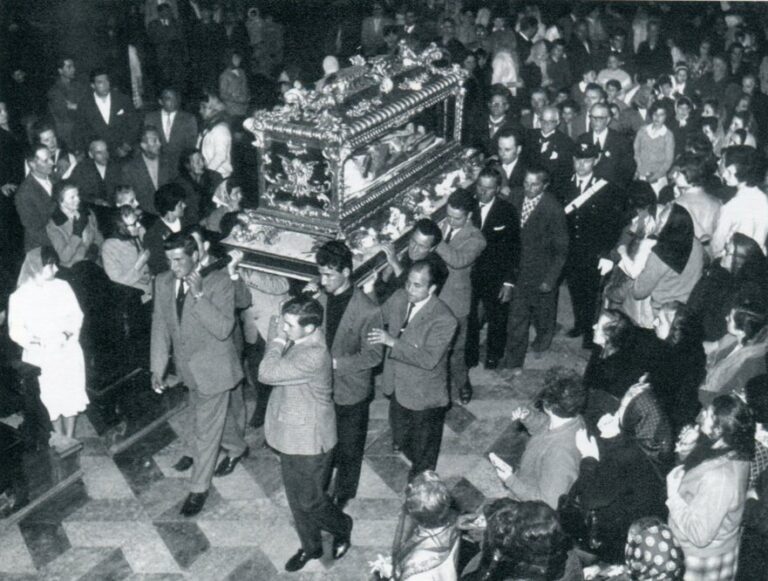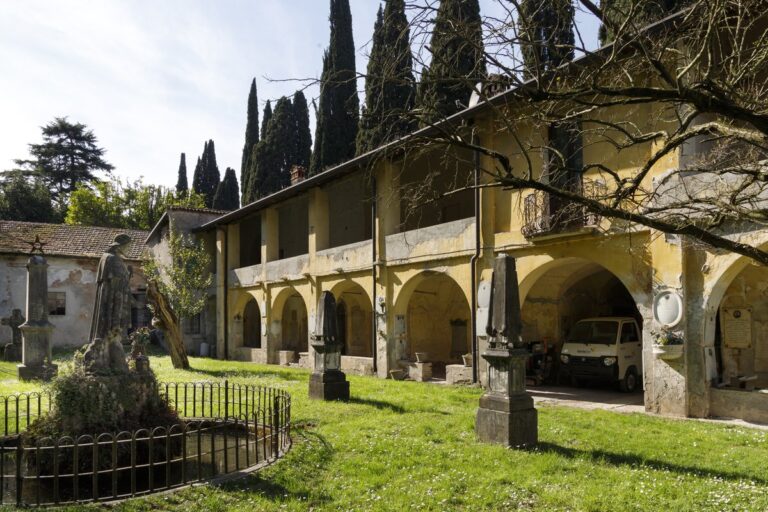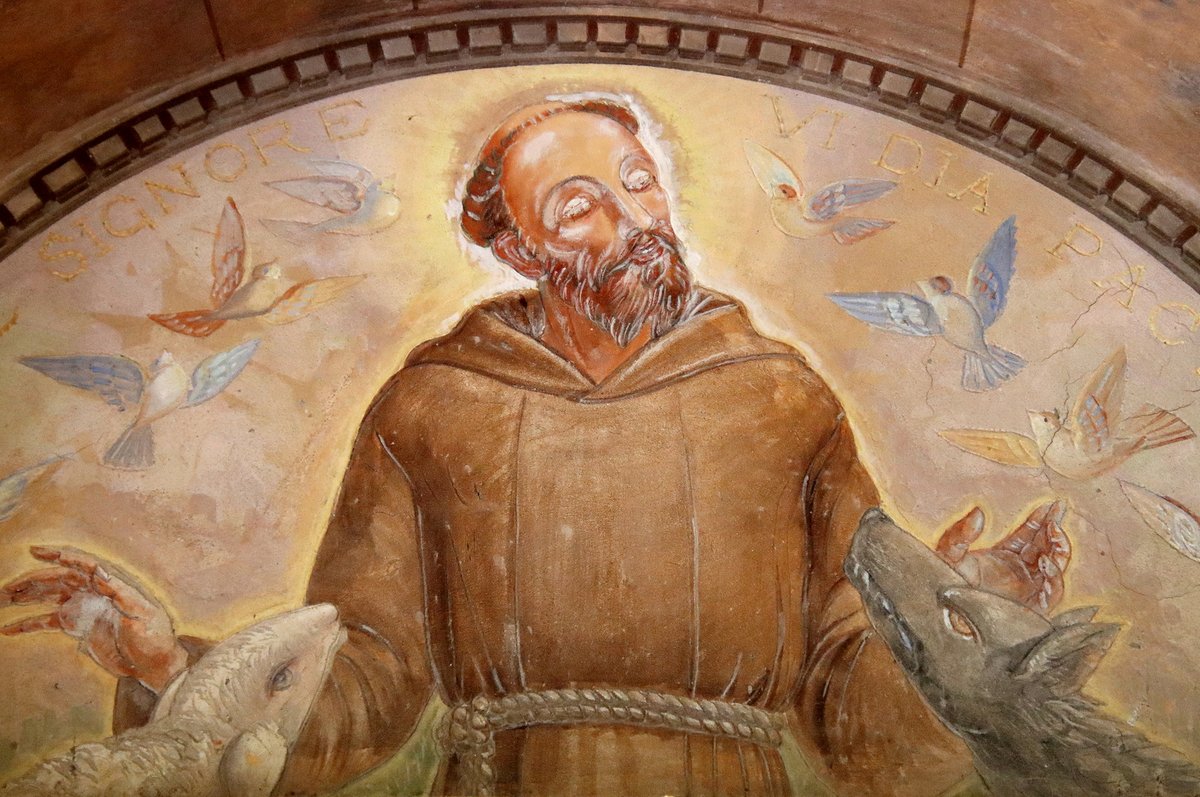
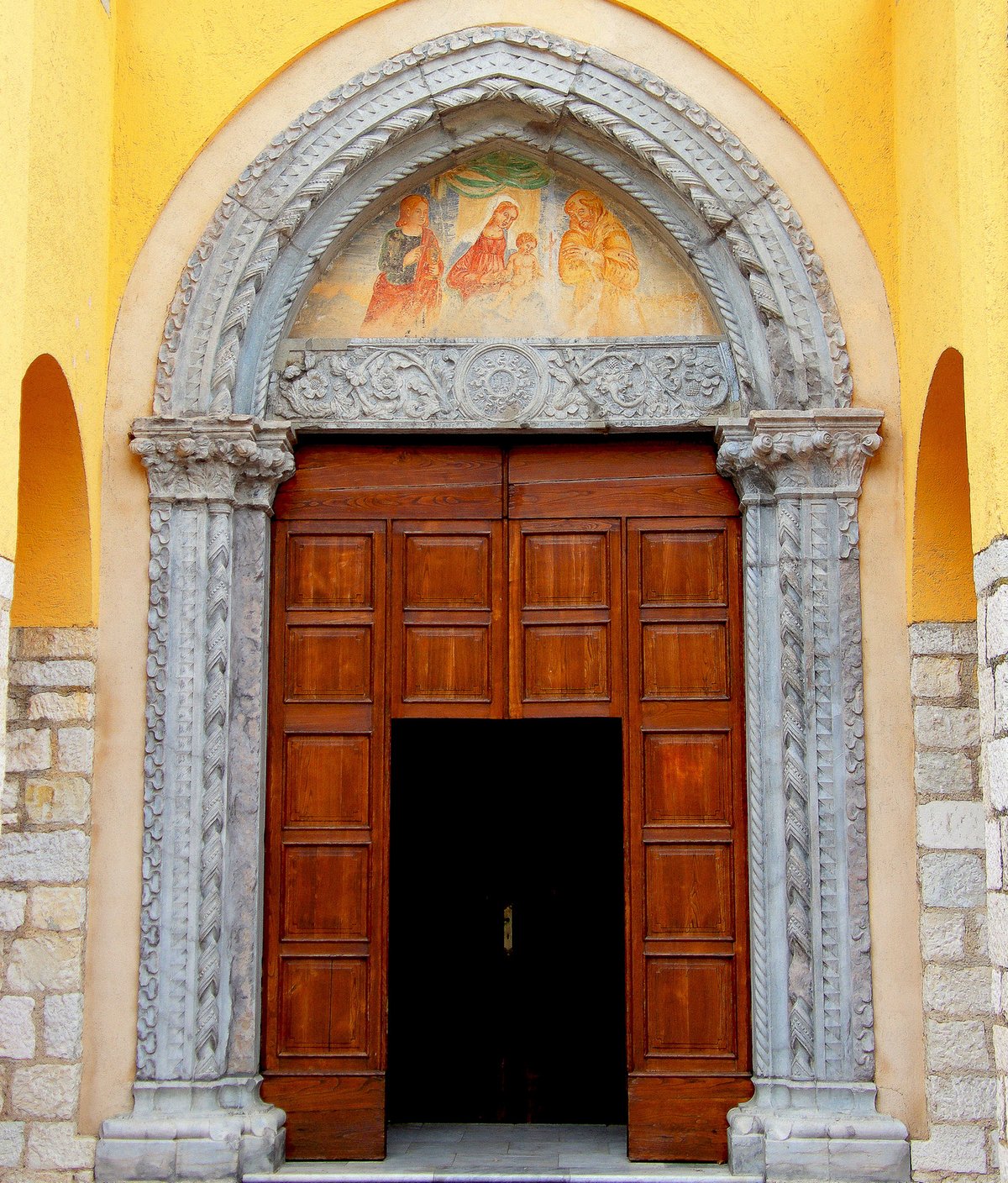
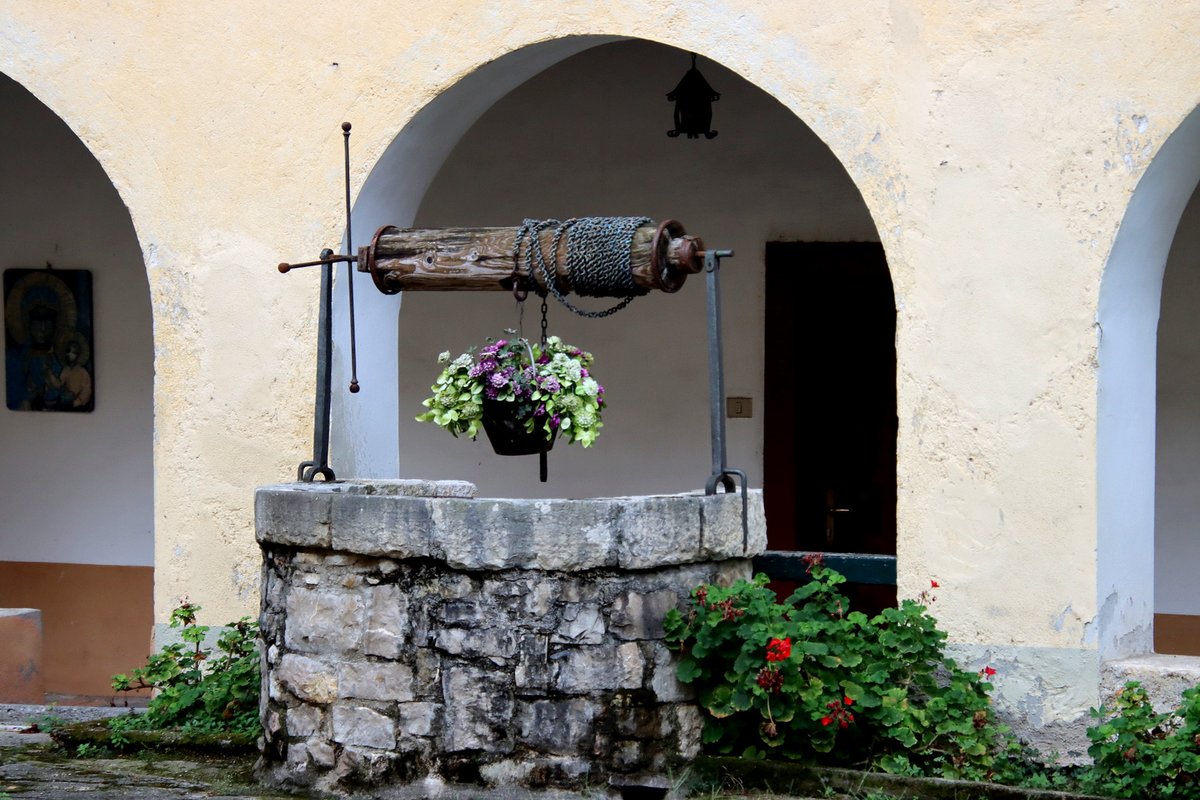
The Capuchin Convent of Barbarano is closing its doors after more than four centuries of continuous spiritual presence, marking the conclusion of an era for Salò and the entire southwestern Riviera of Lake Garda.
Decided by the Capuchin Provincial Chapter and officially announced to parishioners during Sunday liturgies in August, the closure comes at a poignant symbolic moment, as the Catholic world commemorates the eighth centenary of the death of Saint Francis of Assisi (1226–2026). Unlike previous historical shutdowns driven by external political suppression, this departure stems purely from the demographic reality of declining vocations, leaving barely a handful of aging friars who will relocate to other northern Italian fraternities by November.
From Sforza Pallavicini to the Magnifica Patria
Founded in 1580, the monastery owed its inception to a collaboration between the condottiero Marchese Sforza Pallavicini—who had married into Venetian nobility—and the governing Council of the Magnifica Patria of the Riviera, warmly endorsed by the local citizenry. Over subsequent centuries, the convent weathered multiple forced closures under the Republic of Venice during the late eighteenth century, the Napoleonic regime, and the post-unification Kingdom of Italy. Each dissolution saw the plundering of library manuscripts, liturgical silverware, and sacred paintings; yet each time, resolute public petitions and community pressure convinced authorities to restore the friars to their sanctuary.
As documented in the historical monograph by Roberto Gariboldi, by the mid-seventeenth century—even after devastating plague epidemics had ravaged the Benaco—the complex housed 33 cells and accommodated over twenty-five friars as an active regional novitiate and center for philosophical studies. Prominent local families joined the order, including the three Bellintani brothers from Gazzane (Mattia, Paolo, and Giovanni) and Count Sebastiano Paride di Lodrone.
D’Annunzio and the “Franciscan of the Fourth Order”
In the twentieth century, the convent maintained a singular and curious relationship with its nearby neighbor, Gabriele d’Annunzio. While the Vate filled the rooms and terraces of the Vittoriale degli Italiani with Franciscan iconography—including paintings by Angelo Landi and silver dinner plates inscribed with customized Franciscan mottos in the Stanza della Cheli—his visits to Barbarano were driven by a yearning for seclusion and stillness rather than orthodox piety. D’Annunzio gifted the convent modern Franciscan artwork, including canvases by Ercole Sibellato and Domenico Baccarini, while wryly proclaiming in his memoirs that he considered himself a “Franciscan of the Fourth Order.”
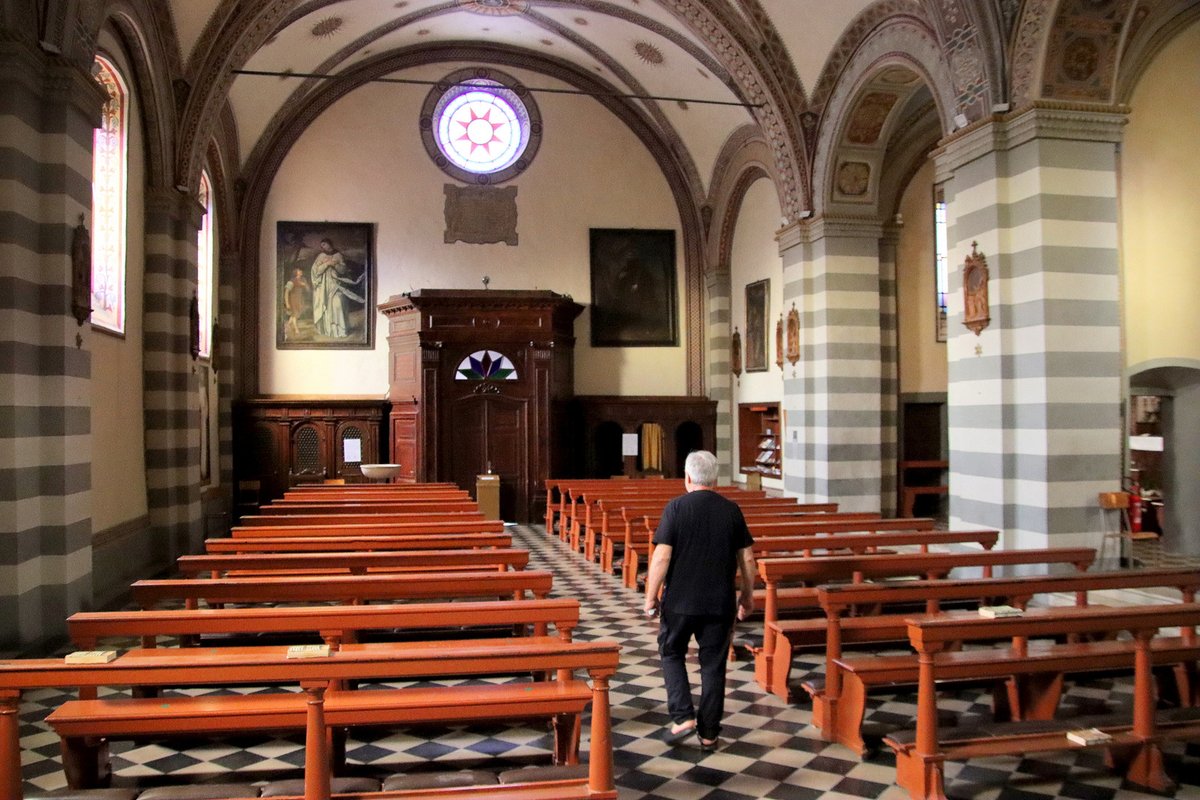
Generations of locals cherish fond memories of Barbarano, from the mechanical nativity scene that fascinated children during the holidays to beloved figures such as Father Ottavio Zandarin, remembered for his gentle modesty, vast erudition, and extraordinary ability to communicate profound spiritual truths to ordinary folk. Today, as the bells sound for the final monastic departures, Salò bids farewell to a cornerstone of its civic and religious memory.
Curated by Pino Mongiello for GN Magazine.
Read more from GN – October 2026
-
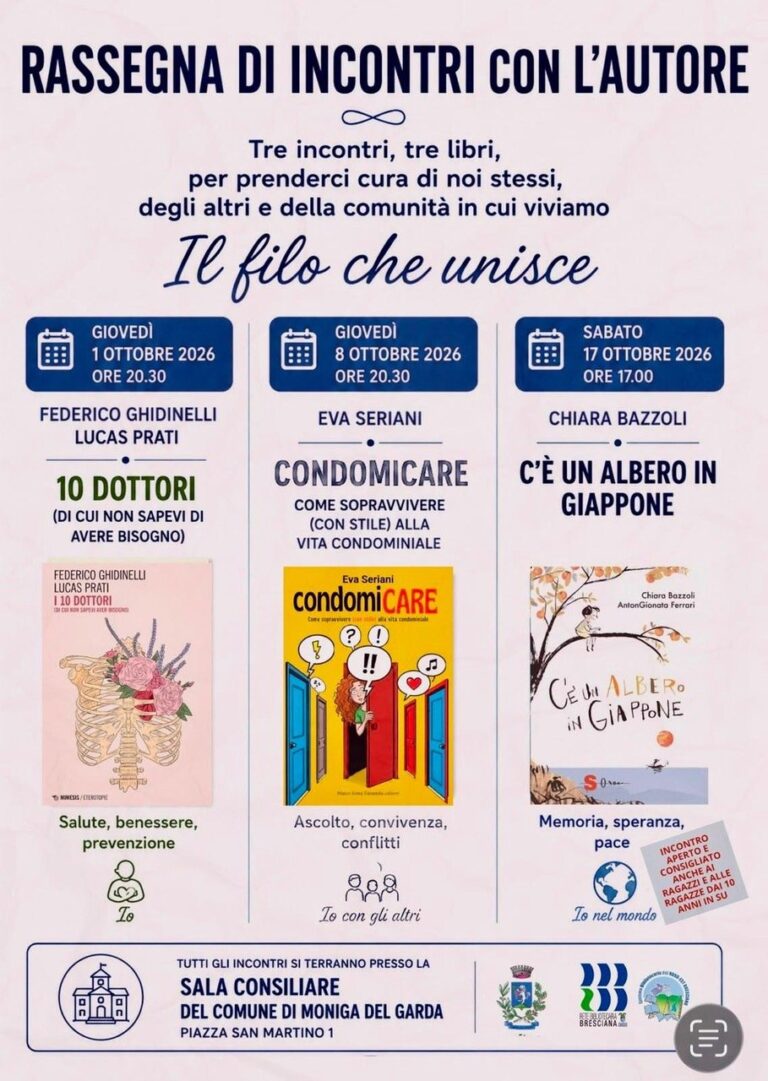
The Thread That Connects: Autumn Cultural Encounters in Moniga del Garda
A three-part cultural series in Moniga del Garda exploring personal wellbeing, community dialogue, and the memory of peace with authors Ghidinelli, Prati, Seriani, and Bazzoli.
-
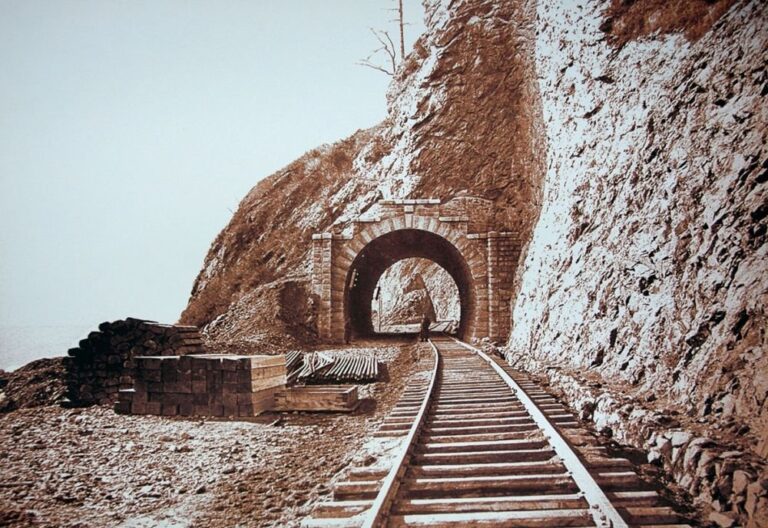
Trans-Siberian Railway: Friulian Stonemasons on Lake Baikal
The Trans-Siberian Railway represents one of the most astonishing engineering feats in human history, and along the dramatic, granite-bound shores of Lake Baikal, its realization was indelibly shaped by the hands and sweat of master Italian stonemasons, chiefly from Friuli. Construction around Lake Baikal demanded unrelenting perseverance under brutal sub-Arctic conditions. Work proceeded non-stop, 24 […]
-
Great Voices at the Sirmione Thermal Spa: From Arrigo Boito to Maria Callas
Great Voices at the Sirmione Thermal Spa have long found a haven of inspiration and therapeutic renewal on the shores of Lake Garda, beginning with the Paduan composer Arrigo Boito. In the winter of 1901–1902, following the passing of Giuseppe Verdi—for whom he had written the immortal librettos to Otello and Falstaff—Boito took up residence […]
-
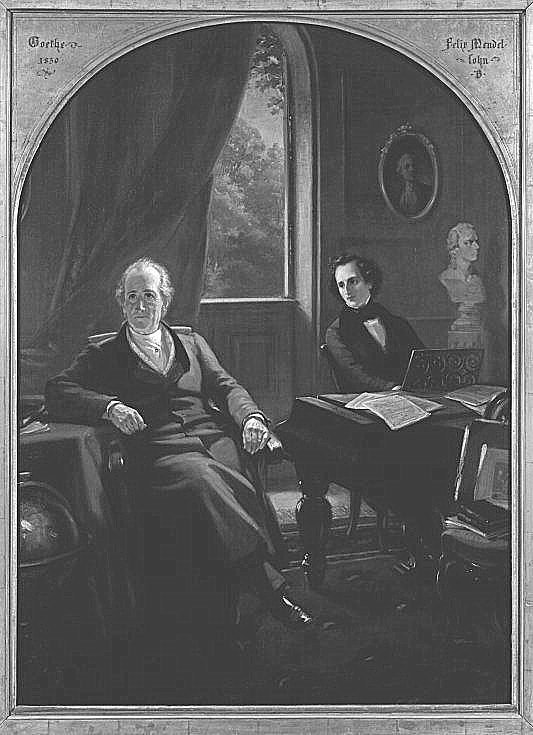
Goethe on Lake Garda: Musical Friendships with Zelter and Mendelssohn
Goethe on Lake Garda famously uncovered the luminous gateway to Italy in September 1786, but few realize how deeply the great German poet’s visual impressions were intertwined with an enduring passion for music that would link him to Carl Friedrich Zelter and the young prodigy Felix Mendelssohn. Johann Caspar Goethe (1710–1782) had imposed rigorous intellectual […]
-
Saint Angela Merici: The Spiritual Heart of Lake Garda and the Magnifica Patria
Saint Angela Merici remains one of the most transformative spiritual and social figures of Renaissance Italy, uniting the shores of Lake Garda, the city of Brescia, and the maritime civilization of the Venetian Republic in an enduring legacy of lay leadership and feminine education. Born on March 21, 1474, in Desenzano del Garda—then a prosperous […]
-
Lazzaretto of Salò: Venice’s Plague Defense on Lake Garda
The Lazzaretto of Salò stands as a formidable historical monument to Renaissance public health and maritime disease containment, linking the sanitary cordon of the Venetian Republic directly to the western shores of Lake Garda. On Saturday, October 24, 2026, the Municipality of Salò and the ASAR (Historical-Archaeological Association of the Riviera) host a major conference […]