The Feltrinelli family of Gargnano represents one of the most remarkable chapters in modern Italian economic history: an extraordinary transition from regional timber merchants on the shores of Lake Garda into titans of international commerce, finance, and industrial philanthropy.
Documented in Gargnano as early as the fifteenth century—likely originating from Feltre in the Veneto Alps—the Feltrinelli family established several flourishing branches across the Upper Garda basin. Among these, the dynasty founded by Faustino Feltrinelli and Maria Zangherle rose to historic prominence from the mid-nineteenth century onward. Over the course of three generations and approximately one hundred years, they transformed an alpine timber enterprise into a global commercial and industrial empire, becoming exemplary champions of progressive liberal-Catholic capitalism until the outbreak of World War II.
From Valvestino Forests to Pan-European Commerce
Five of Faustino’s twelve sons—Carlo, Antonio, Pietro (a priest), Angelo, and Giacomo—dramatically expanded the original timber enterprise. Broadening their sphere of influence from Valvestino to South Tyrol, Trentino, and across the Austrian Alps, they secured vast logging rights throughout Carinthia, Styria, Slovenia, Croatia, and Transylvania. They constructed steam sawmills, transit depots, and commercial branches throughout Italy (extending as far south as Sicily) and across Central Europe, with major hubs in Villach and Vienna.
Their industrial ambition quickly diversified. The Feltrinellis supplied oak railroad ties for expanding European and Ottoman railway networks, invested in major public construction projects (such as Piazza Esedra in Rome), and financed maritime transport, navigation fleets, and luxury furnishings for transatlantic ocean liners and grand hotels.
While maintaining unbreakable bonds with Gargnano, the family’s operational core inevitably shifted to Milan. There, Carlo Feltrinelli (grandnephew of Giacomo) steered the empire toward high finance, consolidating a corporate portfolio with stakes in banking (Banca Feltrinelli), electric utilities, and heavy manufacturing. Following the Great Depression of 1929 and Carlo’s premature death in 1935, his brother Antonio—a dedicated man of letters and painter—stepped in, ultimately bequeathing a substantial portion of the family estate to establish the prestigious Antonio Feltrinelli International Prizes administered by the Accademia Nazionale dei Lincei. In 1955, Carlo’s son Giangiacomo founded the legendary Giangiacomo Feltrinelli Editore, revolutionizing Italian intellectual publishing and bookselling in the postwar era.
Architectural Splendor and Civil Philanthropy in Gargnano
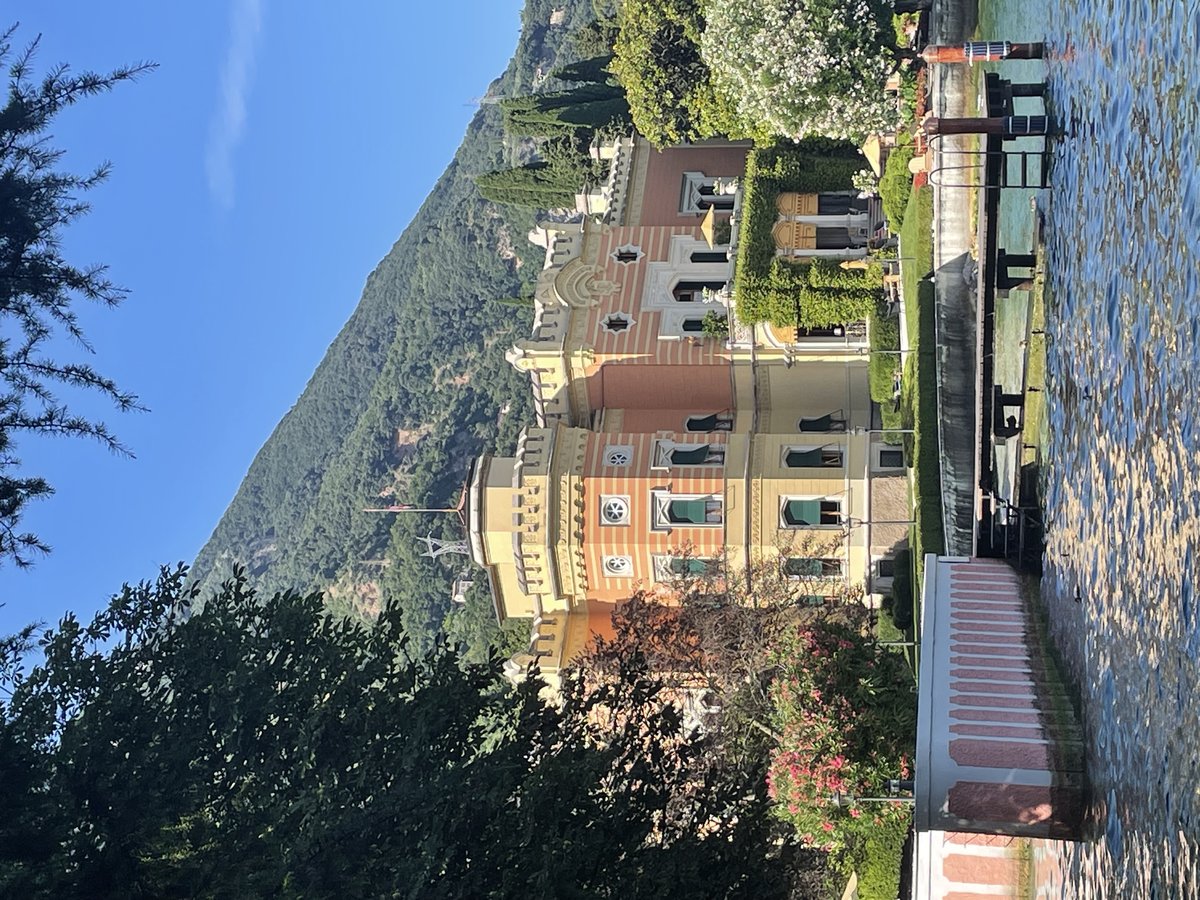
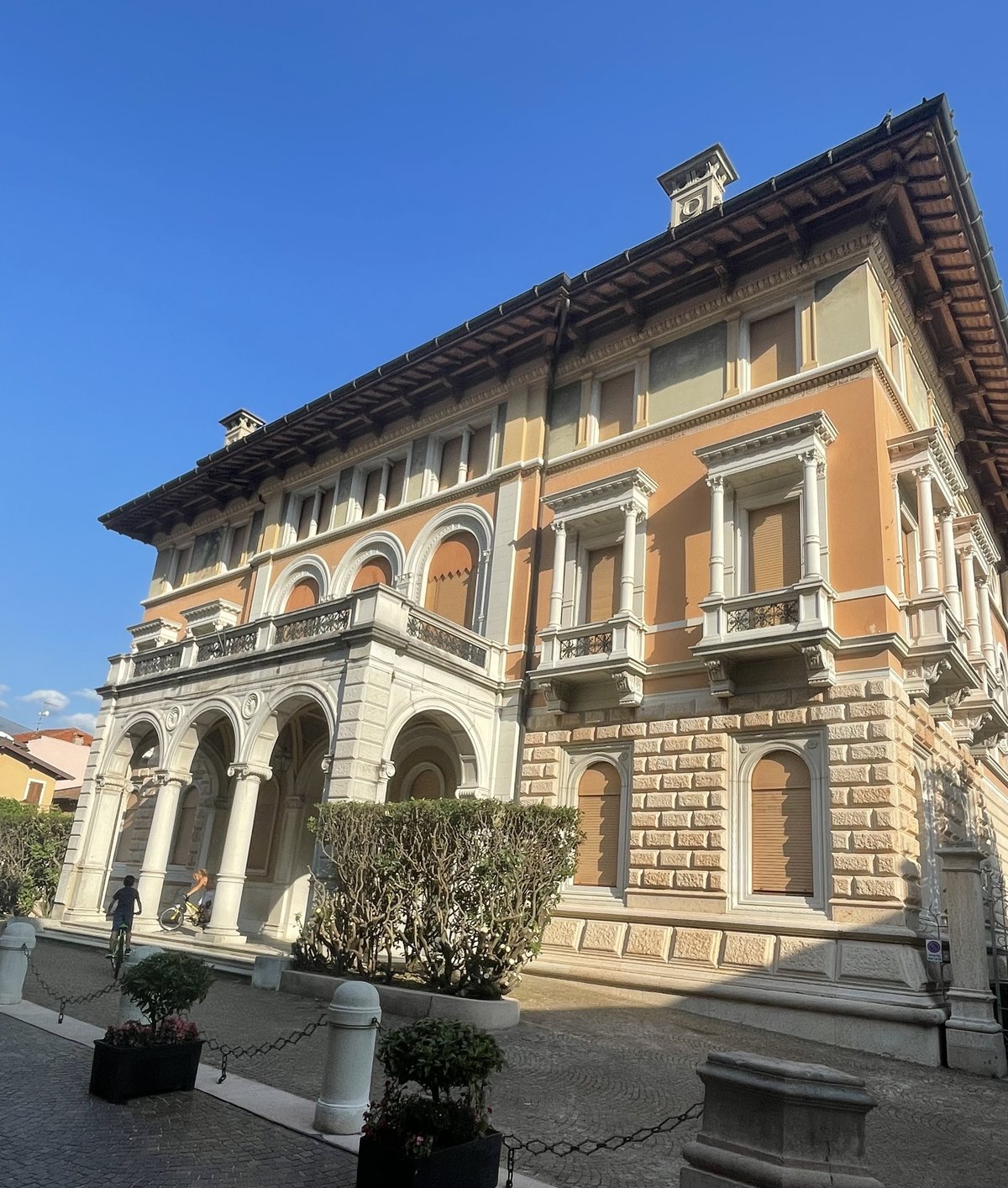
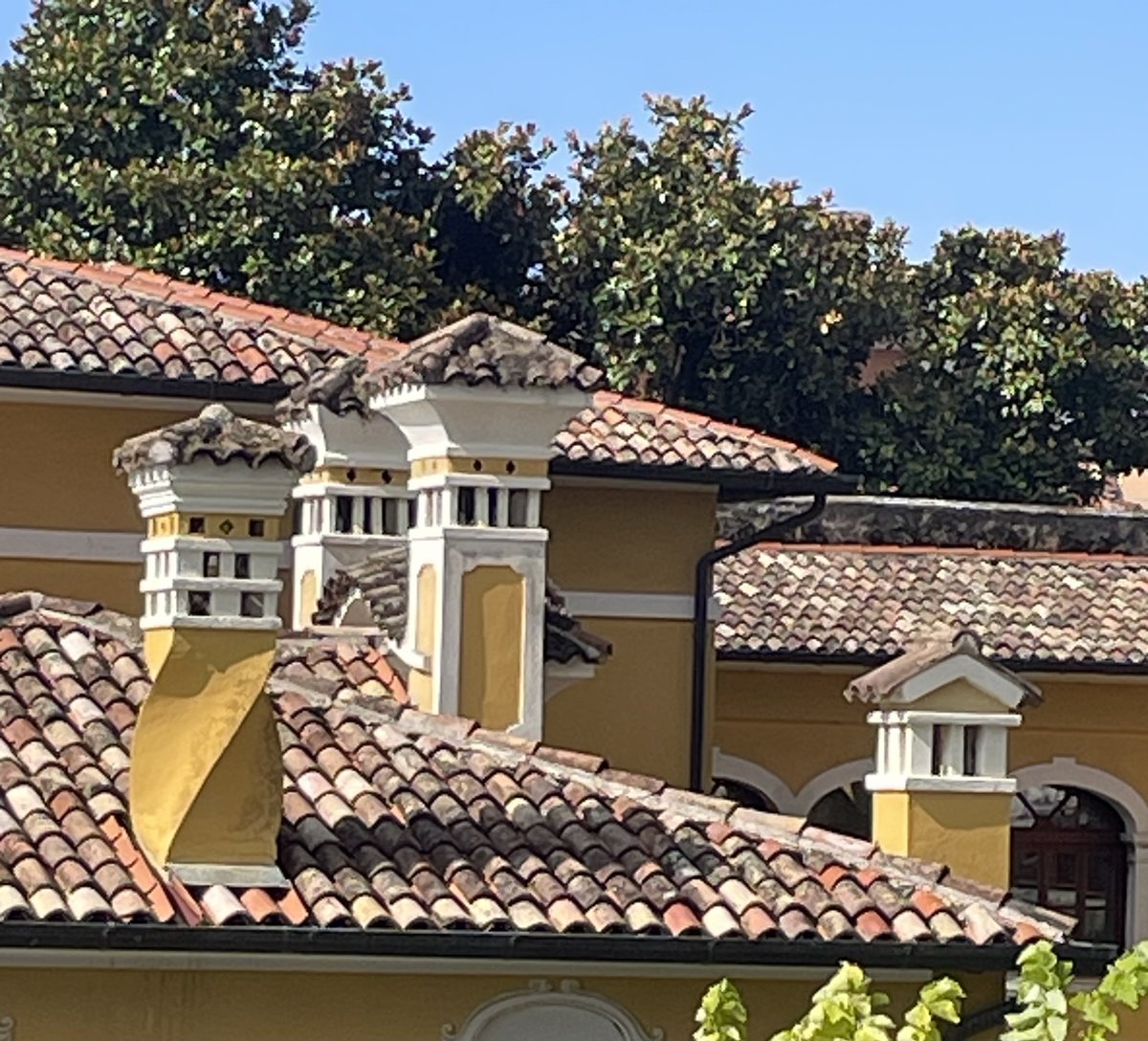
Despite their international standing, the Feltrinellis never severed their roots from their native Riviera. Between the late nineteenth and early twentieth centuries, they permanently shaped the architectural and civic landscape of Gargnano. Entrusting prominent architects—including Francesco Solmi, Count Alberico Barbiano di Belgiojoso, and engineer Guido Comboni—they erected celebrated stately residences ranging from eclectic neo-Gothic to neo-Renaissance and Art Nouveau: the monumental Villa di San Faustino (now the renowned Grand Hotel Villa Feltrinelli), Palazzo Feltrinelli (donated to the University of Milan), Palazzo Larghi, Villa di Sostaga on the hills of Navazzo, and the Brolo estate.
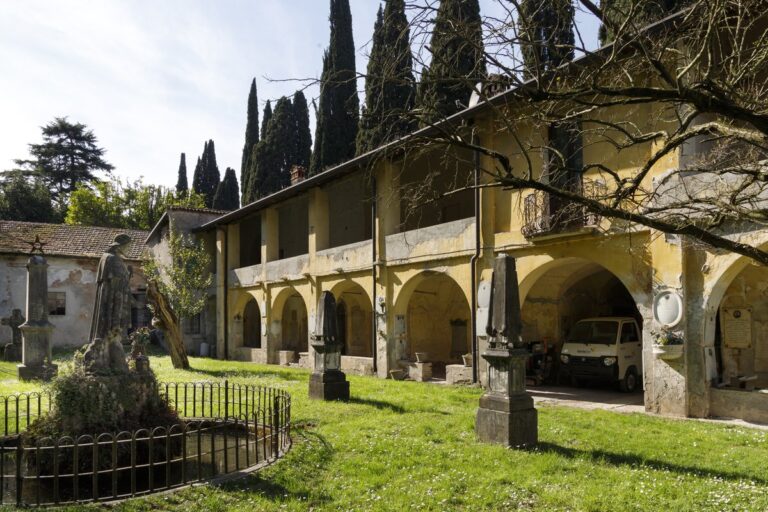
Equally extraordinary was their enlightened civic benefaction. The family financed and built Gargnano’s public hospital, the retirement home for the elderly, the municipal cemetery, the town primary school, and the Belgiojoso nursery school. They funded elementary school buildings in the mountain hamlets of Mariano and Costa, built the Franciscan convent in Villa, engineered mountain carriageways linking the lake to Valvestino, and laid modern aqueduct lines to bring drinking water to Muslone and Costa.
To sustain local employment, they founded a citrus processing factory in Gargnano, backed the agricultural consortium for Garda olive oil and lemons, and developed the massive modern cotton mill and workers’ village at Campione del Garda (later Cotonificio Olcese). Throughout generations, the Feltrinellis actively served on municipal councils and charitable boards, leaving an indelible legacy of civic devotion that still defines the western shores of Lake Garda today.
Article by Umberto Perini for GN Magazine (October 2026).
Read more from GN – October 2026
-
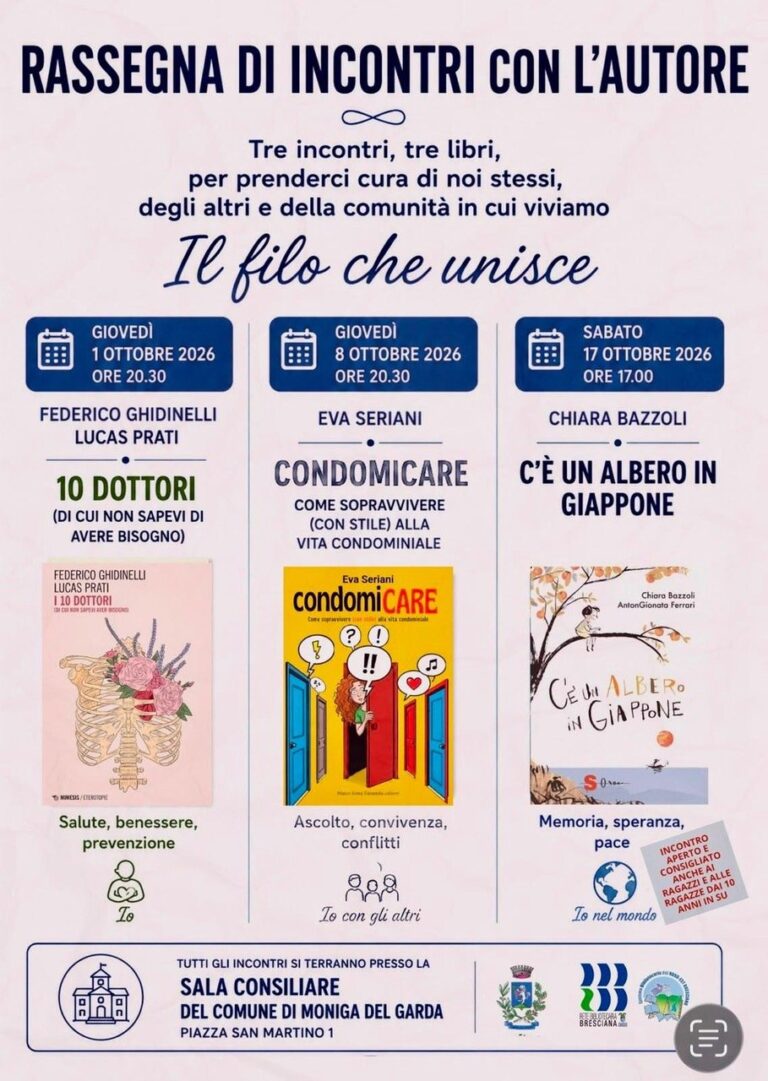
The Thread That Connects: Autumn Cultural Encounters in Moniga del Garda
A three-part cultural series in Moniga del Garda exploring personal wellbeing, community dialogue, and the memory of peace with authors Ghidinelli, Prati, Seriani, and Bazzoli.
-
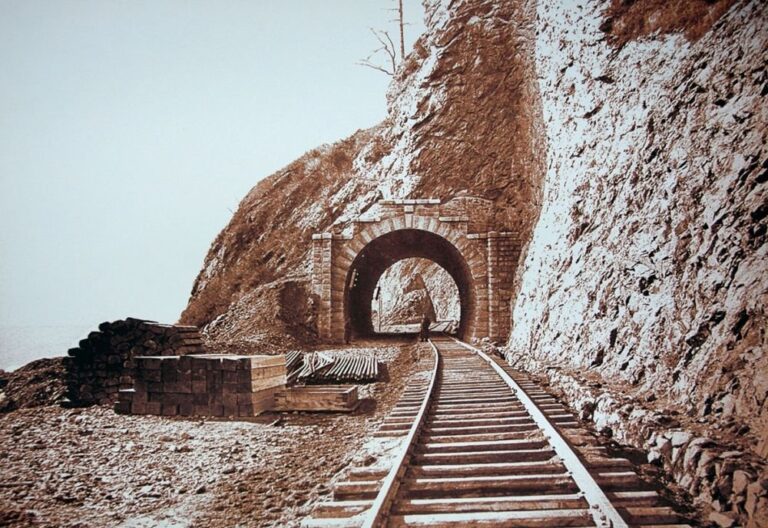
Trans-Siberian Railway: Friulian Stonemasons on Lake Baikal
The Trans-Siberian Railway represents one of the most astonishing engineering feats in human history, and along the dramatic, granite-bound shores of Lake Baikal, its realization was indelibly shaped by the hands and sweat of master Italian stonemasons, chiefly from Friuli. Construction around Lake Baikal demanded unrelenting perseverance under brutal sub-Arctic conditions. Work proceeded non-stop, 24 […]
-
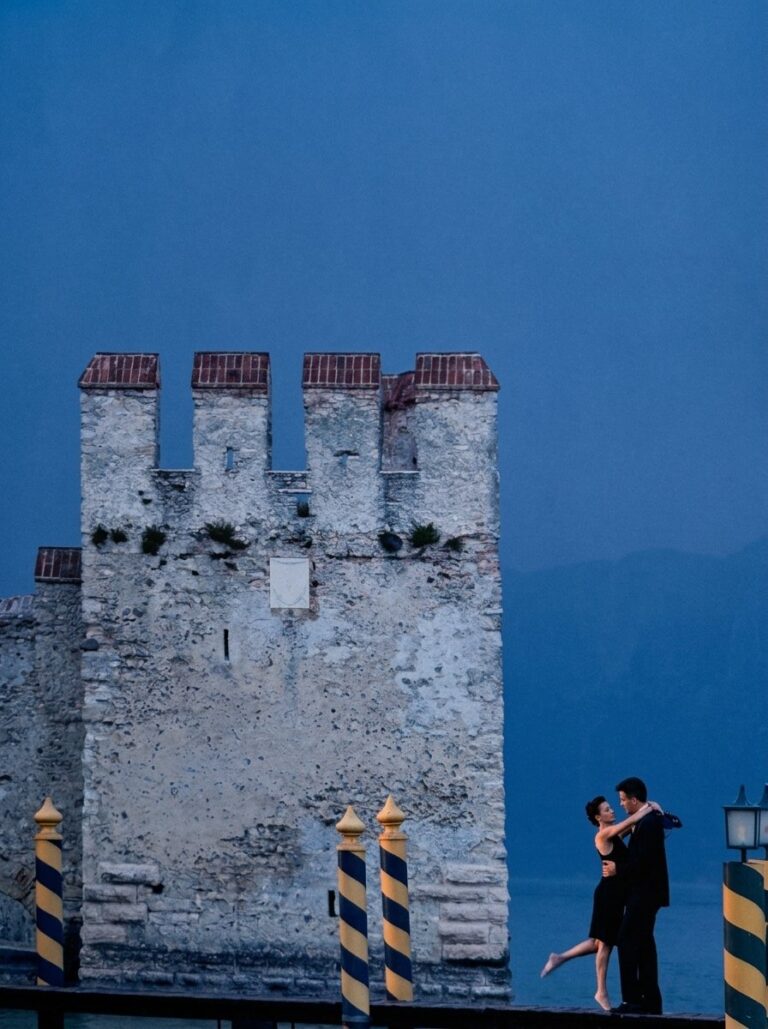
Great Voices at the Sirmione Thermal Spa: From Arrigo Boito to Maria Callas
Great Voices at the Sirmione Thermal Spa have long found a haven of inspiration and therapeutic renewal on the shores of Lake Garda, beginning with the Paduan composer Arrigo Boito. In the winter of 1901–1902, following the passing of Giuseppe Verdi—for whom he had written the immortal librettos to Otello and Falstaff—Boito took up residence […]
-
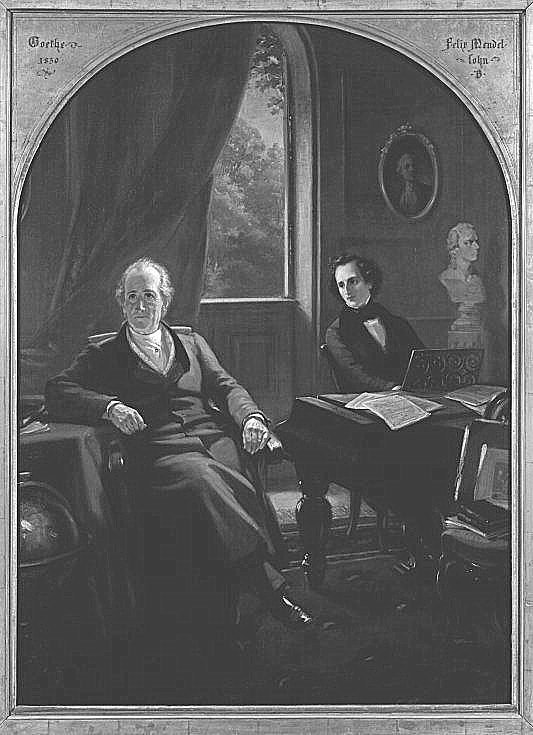
Goethe on Lake Garda: Musical Friendships with Zelter and Mendelssohn
Goethe on Lake Garda famously uncovered the luminous gateway to Italy in September 1786, but few realize how deeply the great German poet’s visual impressions were intertwined with an enduring passion for music that would link him to Carl Friedrich Zelter and the young prodigy Felix Mendelssohn. Johann Caspar Goethe (1710–1782) had imposed rigorous intellectual […]
-
Saint Angela Merici: The Spiritual Heart of Lake Garda and the Magnifica Patria
Saint Angela Merici remains one of the most transformative spiritual and social figures of Renaissance Italy, uniting the shores of Lake Garda, the city of Brescia, and the maritime civilization of the Venetian Republic in an enduring legacy of lay leadership and feminine education. Born on March 21, 1474, in Desenzano del Garda—then a prosperous […]
-
Lazzaretto of Salò: Venice’s Plague Defense on Lake Garda
The Lazzaretto of Salò stands as a formidable historical monument to Renaissance public health and maritime disease containment, linking the sanitary cordon of the Venetian Republic directly to the western shores of Lake Garda. On Saturday, October 24, 2026, the Municipality of Salò and the ASAR (Historical-Archaeological Association of the Riviera) host a major conference […]