Water Management on Lake Garda enters a crucial evaluation phase as the irrigation season draws to a close following the hottest summer recorded since 1950, surpassing even the historic benchmark of 2003.
Whenever extreme heatwaves grip northern Italy, public debates predictably resurface around dams, reservoirs, and artificial lakes. Yet Lake Garda—a natural lake under artificial regulation—serves as a primary case study in balancing environmental survival with agricultural necessity. Proposals to “dam the Po River” or capture all runoff overlook a fundamental ecological reality: water flowing to the delta is never “wasted”; it sustains essential downstream ecosystems, halts seawater intrusion, and preserves coastal wetlands.
The greatest challenge in managing artificial reservoirs is balancing competing needs: drinking water, agriculture, industry, and hydroelectric generation. Italian and European legislation has evolved significantly, shifting from the rigid mathematical concept of Minimum Vital Flow (DMV, established in 1989) to the modern European Water Framework Directive (2000/60/EC) and Italian Ministry decrees mandating Ecological Flow (DE). Rather than releasing a fixed percentage of cubic meters, water releases must mimic the natural seasonal rhythm of the river, guided by biological health indicators of fish and aquatic flora.
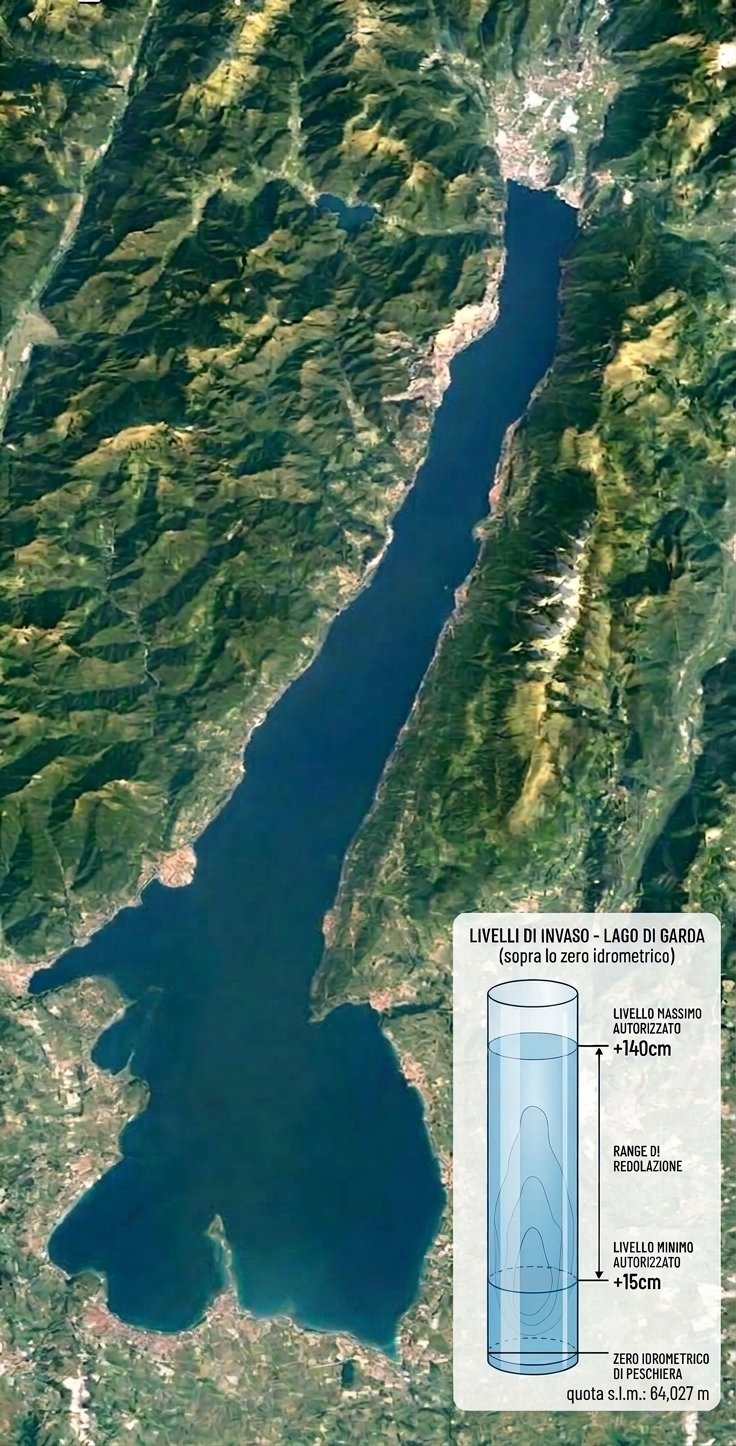
Lake Garda’s regulatory envelope, established by public works decree in 1965, operates between +15 cm and +140 cm relative to hydrometric zero. Over recent years, proactive coordination between the Garda Community, AIPO, and the Mincio and Mantuan irrigation consortia has prevented catastrophic deficits. However, moving forward, managing water merely as a storage volume will no longer suffice: policy must prioritize the ecological health of upstream watersheds and downstream river habitats to guarantee water quality and resilience for future generations.
Written by Filippo Gavazzoni, Vice Mayor of Peschiera del Garda and Vice President of the Garda Community, for GN Magazine.
Read more from GN – October 2026
-
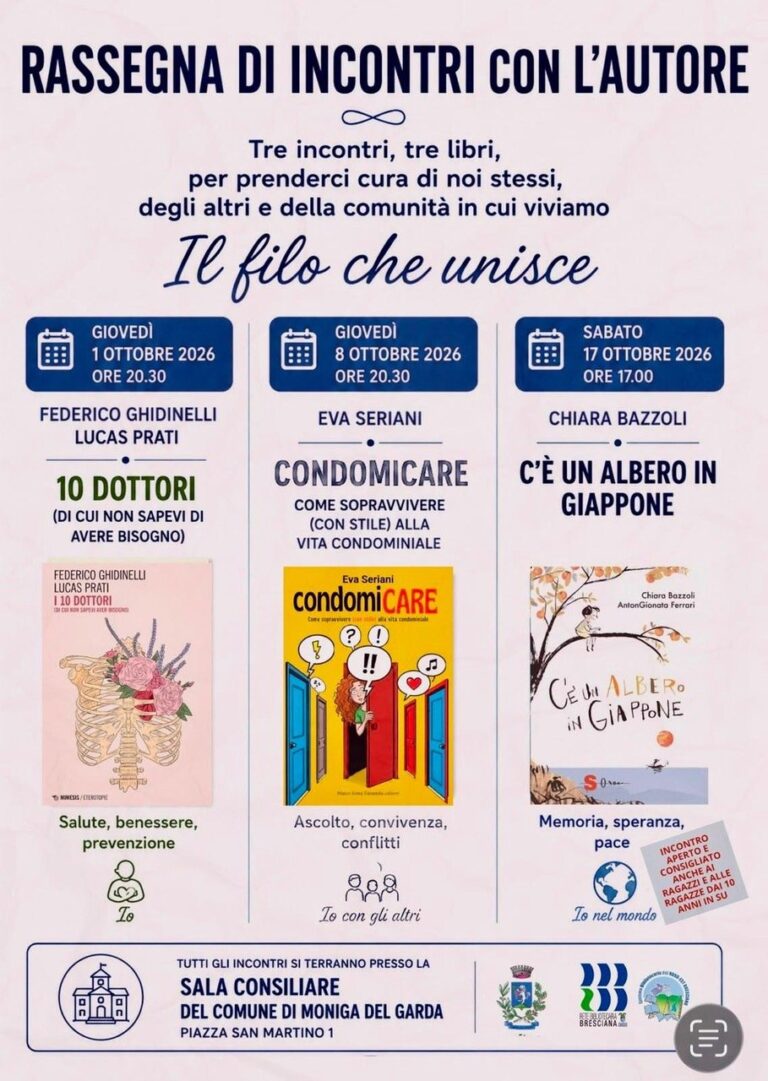
The Thread That Connects: Autumn Cultural Encounters in Moniga del Garda
A three-part cultural series in Moniga del Garda exploring personal wellbeing, community dialogue, and the memory of peace with authors Ghidinelli, Prati, Seriani, and Bazzoli.
-
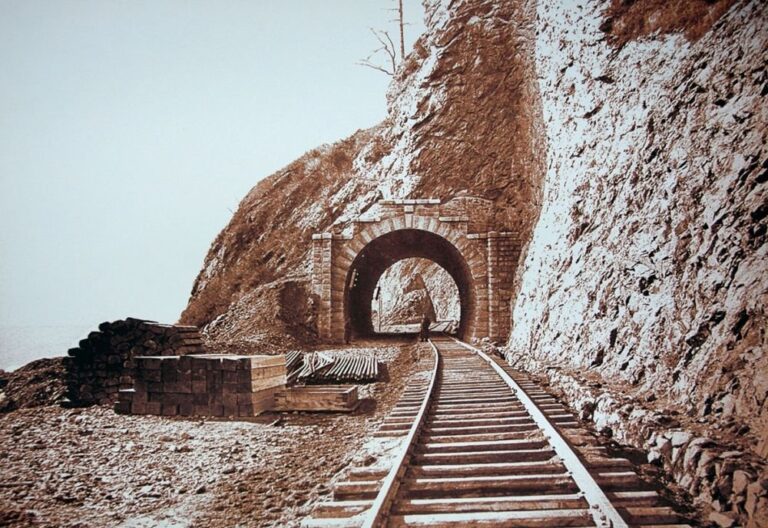
Trans-Siberian Railway: Friulian Stonemasons on Lake Baikal
The Trans-Siberian Railway represents one of the most astonishing engineering feats in human history, and along the dramatic, granite-bound shores of Lake Baikal, its realization was indelibly shaped by the hands and sweat of master Italian stonemasons, chiefly from Friuli. Construction around Lake Baikal demanded unrelenting perseverance under brutal sub-Arctic conditions. Work proceeded non-stop, 24 […]
-
Great Voices at the Sirmione Thermal Spa: From Arrigo Boito to Maria Callas
Great Voices at the Sirmione Thermal Spa have long found a haven of inspiration and therapeutic renewal on the shores of Lake Garda, beginning with the Paduan composer Arrigo Boito. In the winter of 1901–1902, following the passing of Giuseppe Verdi—for whom he had written the immortal librettos to Otello and Falstaff—Boito took up residence […]
-
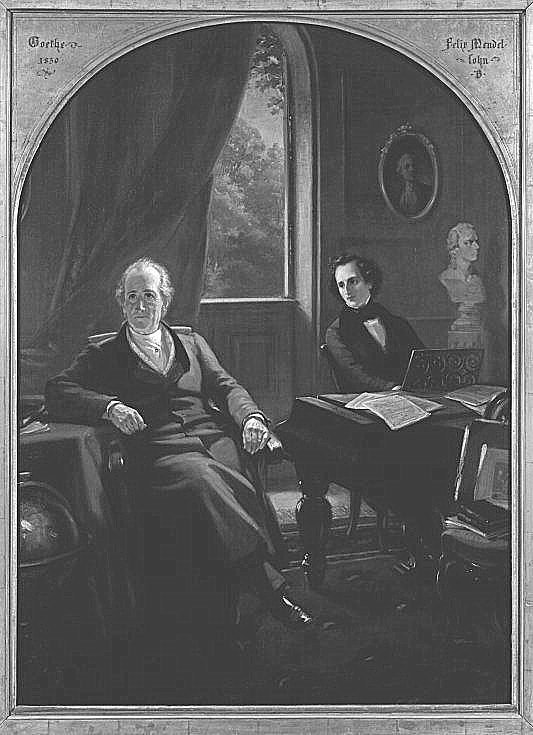
Goethe on Lake Garda: Musical Friendships with Zelter and Mendelssohn
Goethe on Lake Garda famously uncovered the luminous gateway to Italy in September 1786, but few realize how deeply the great German poet’s visual impressions were intertwined with an enduring passion for music that would link him to Carl Friedrich Zelter and the young prodigy Felix Mendelssohn. Johann Caspar Goethe (1710–1782) had imposed rigorous intellectual […]
-
Saint Angela Merici: The Spiritual Heart of Lake Garda and the Magnifica Patria
Saint Angela Merici remains one of the most transformative spiritual and social figures of Renaissance Italy, uniting the shores of Lake Garda, the city of Brescia, and the maritime civilization of the Venetian Republic in an enduring legacy of lay leadership and feminine education. Born on March 21, 1474, in Desenzano del Garda—then a prosperous […]
-
Lazzaretto of Salò: Venice’s Plague Defense on Lake Garda
The Lazzaretto of Salò stands as a formidable historical monument to Renaissance public health and maritime disease containment, linking the sanitary cordon of the Venetian Republic directly to the western shores of Lake Garda. On Saturday, October 24, 2026, the Municipality of Salò and the ASAR (Historical-Archaeological Association of the Riviera) host a major conference […]